Monthly Archives: August 2023

MFDJ 08/21/23: The Yreka Lynching

Today’s Botched Yet Truly Morbid Fact!

Lawrence H. Johnson was a Scottish emigrant who worked hard at various jobs around Etna, a mining town west of Yreka, California. His work often took him away from home overnight, which left his wife alone. The fifty-nine-year-old Johnson had a feeling that his wife was unfaithful while he was away, so on the night of July 28, 1895, Johnson kissed his wife goodbye and then hid out near his home to see if his worst fears were true. They were.

Johnson saw a young man enter his home. After waiting a short time, Johnson entered his home and found his wife in bed with her young lover. Johnson pulled out his revolver and started firing at the young man, who jumped out of the window. The only thing that saved the young Romeo was that Johnson’s gun misfired all three times he pulled the trigger.

Turning his anger onto his adulterous wife, Johnson pulled out his huge Bowie knife and stabbed her four times in the chest and stomach.

Feeling remorse for the death of his wife, Johnson turned himself in to the Sheriff I.A. Moxley of Etna. Johnson’s only regret was that his pistol had misfired. Sheriff Moxley took Johnson to Yreka for the murderer’s safety, as the people of Etna were in a lynching mood and Johnson was just another murderer trying the patience of the community.

Garland Stemler was on summer break from his studies at a southern California college. The nineteen-year-old Arkansas native was looking for adventure during his time off, so he rode the rails, traveling throughout the state in the guise of a hobo. During his travels, he met up with forty-year-old Louis Moreno.

Moreno was no college boy slumming the rails for summer adventure. He was a full-time criminal hobo, ready to break the law to suit his immediate needs. On August 19, the mismatched pair were short on money, so they entered the Sears Saloon in Bailey Hill, fifteen miles north of Yreka, with the intention of robbing it.

Saloon owner George Sears and his elderly German bartender, Casper Meierhaus, had no intentions of letting the hooligans make off with the day’s receipts. A fight transpired that surprised the younger men. In the ensuing fight, Sears was shot in the head and died before he hit the floor. Meierhaus was shot in the stomach, but lived long enough to give a full description of his assailant.

The hobos split up and ran in different directions. Moreno was quickly captured, as he was the only Mexican running around Bailey Hill with a bullet wound in his hand. Stemler was arrested in the Pokegama railyard. He had a recently fired pistol in his possession that matched the shell casings left at the saloon. Stemler also had the bad luck of having made acquaintance with Meierhaus in the past. Meierhaus identified Stemler by name.

Ohio-born William Null was one of the thousands who came to California to try his hand at finding gold. The forty-five-year-old Null had shot his partner, Henry Hayten, in the back on April 21 over a dispute about their claim near Callahan. He pleaded insanity and was cooling out in the Siskiyou County jail, awaiting his trial for the murder, which was scheduled for August 25. Both Moreno and Stemler took accommodations in the Yreka jailhouse.

The citizens of Siskiyou County and Yreka were enraged that their community suddenly found four murderers in their county jail. Disgusted at the fact that their tax money was being used to feed and house the murderers while the wheels of justice turned slowly, they decided to take matters into their own hands.

The working men of the county started leaving their jobs early on August 25. Their employers wondered why everyone was suddenly feeling ill, and wives around the county looked in vain for their husbands who had left their evening farm chores undone. The men hid out in the forest near Yreka, staging themselves as had been set out in the timetable that was organized beforehand. A jug of rotgut whiskey was passed around to instill courage in the normally upright and sober family men.

The men detained anyone who happened upon them and didn’t know the password, which was “mud”. The detained men had the choice to either join the party or be held hostage under armed guard. By nine in the evening, two hundred and fifty men drifted into the outskirts of Yreka. One squad of men went to a blacksmith shop and acquired the necessary equipment for a lynching—rope and sledgehammers. Another squad went to the railroad yard and lugged off a rail.

Another squad went to the fire station and tied the bell ropes too high to be reached without a ladder, so nobody would be able to raise an alarm. Other squads swept the streets of Yreka to corral any unfortunates who happened to be about, and these men were either pressed into joining the lynch mob or take prisoner.

The masked men woke Deputy Sheriff Radford at his courthouse office and demanded the keys to the jail. Deputy Radford told the mob that he would blow out the brains of anyone who came through the door. The mob knew that Radford meant what he said and left a squad of men to keep the deputy at bay while they searched for a new way into the jail.

The younger men among the mob climbed over the stone wall that enclosed the jail  yard, waking the night guard, deputy Henry Brautlacht. Brautlacht thought that some prisoners were escaping an stepped out of the jail, where he was promptly captured and disarmed by a squad of masked men. They took his keys and unlocked the cell block. Not having access to the keys for the individual cells, the mob used sledgehammers to break the locks on the murderer’s cells.

Around eleven in the evening, some men pounded on City Marshall Erskine Parks’ door, and told him there was a huge fight occurring on Miner Street. The marshal left his home in his nightshirt and ran down to Miner Street, where some men informed him that the fight had moved over to Main ‘Street. When Marshall Parks arrived at Main Street and found not a soul in sight, he realized that he had fallen hook, line, and sinker for a diversion. Out of breath, Parks ran for the fire bell to raise the alarm, only to find the ropes beyond his reach. He ran to the jail, firing his pistol into the air, only to find the jail overrun by the lynch mob. He was outnumbered and powerless to stop the lynching.

By one in the morning of August 26, 1895, the jail cell doors were smashed open and a mysterious, middle-aged man wearing a long duster and white mask appeared. He calmly ordered the mob to start their business.

The mob leader gestured for wife-killer Lawrence Johnson to go first, and the mob dragged the pleading man to the railroad rail that had been wedged between the limbs of two locus trees. A noose was put around his neck and he was yanked up into the air in mid-sentence.

Next, the captain of the mob went to Null’s cell. Null tried to make a statement before he was executed. His statement was cut short by the rope.

Moreno walked silently to the makeshift gallows. He showed no signs of fear and made no sounds as he joined Null and Johnson on the rail.

There was some talk between the leaders of the mob as to whether or not young Garland Stemler should join the others. It was decided that he was just as bad as the others and, because of his advanced education, he should have known better. Stemler was so frightened he could hardly speak. He asked the mob to remove his boots because he promised his mother that he would die with his boots off. He also said, “Tell my brother to tell my mother that I am innocent.”

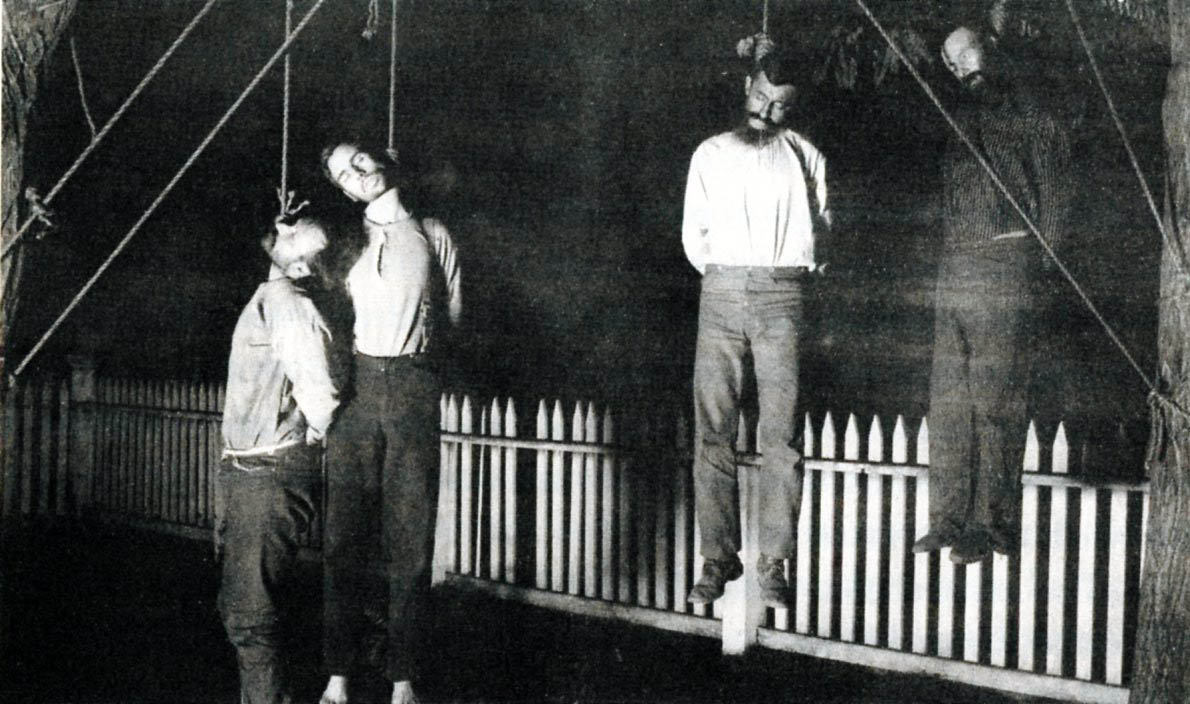
Stemler joined Johnson, Moreno, and Null in the locust trees, hanging like some kind of sick Christmas tree ornaments. Witnesses said that the executions had all been botched, and the ropes stretched and the men twisted as they slowly strangled to death.

The mob left as quickly and quietly as they had appeared. Marshall Parks and “Coroner Scofield soon cut the bodies down. Around the neck of Lawrence Johnson was a note that read:

“Caution—let this be a warning and it is hoped that all cold-blooded murderers in this county will suffer likewise.”
Yours Resp’ly,
Tax Paying Citizens.
P.S. “Officers, ask no questions, be wise and keep mum.”

No one was ever prosecuted for the lynching and not a single person was ever identified as a member of the lynch mob. Legend has it that the two locust trees in which the men were hanged died a little more than a year after the lynchings. They supposedly withered away as if they had been strangled.


The quadruple lynching

Culled from: California Justice  by my friend, David Kulczyk


Post-Mortem Portrait Du Jour!


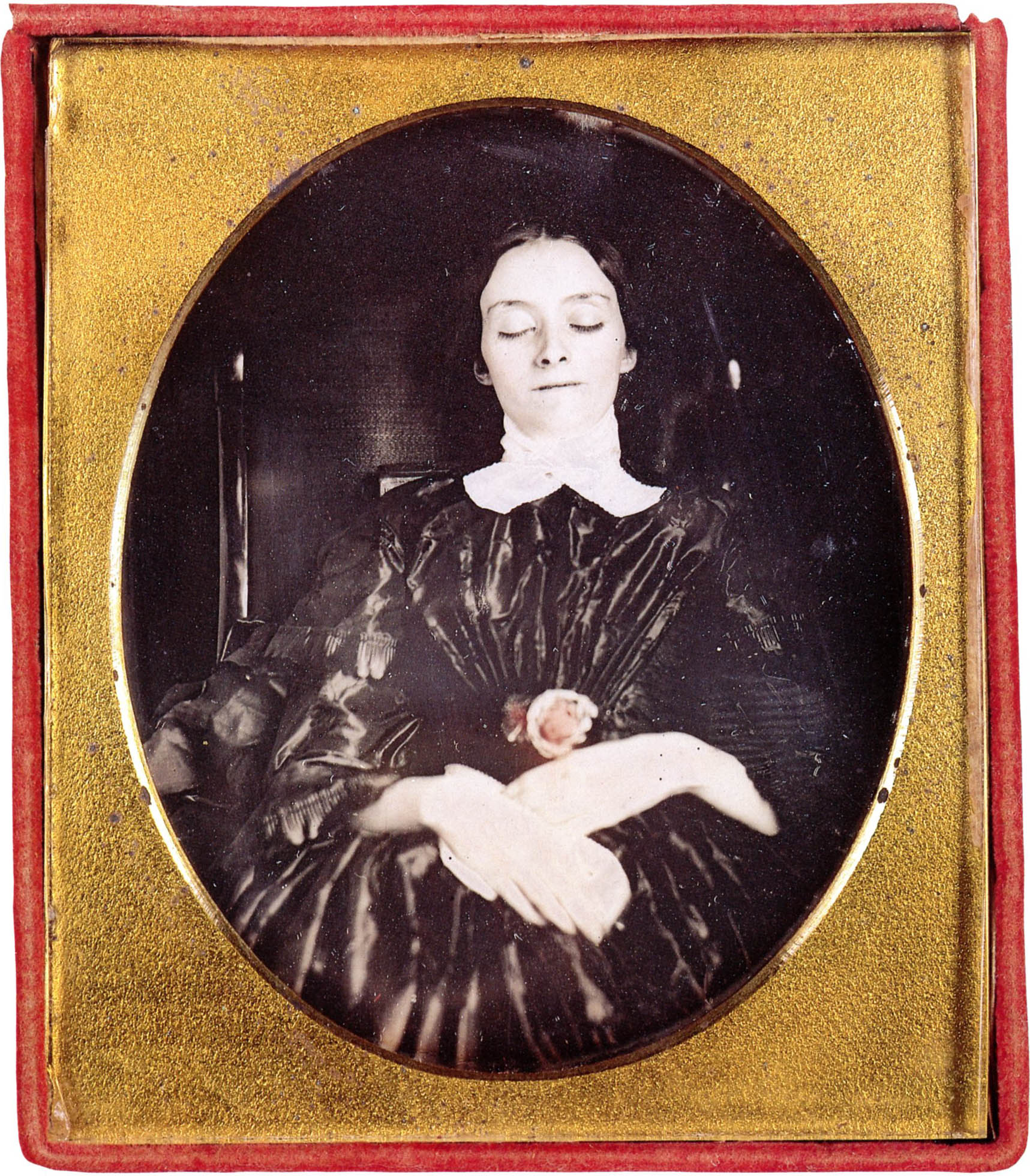
YOUNG WOMAN SEATED WITH ROSE IN HER HAND
Anonymous
2 3/4″ x 3 1/4″ Daguerreotype
circa 1844

Culled from:  Sleeping Beauty: Memorial Photography in America

MFDJ 08/20/23: The Gruesome Deadhouse

Today’s Disconcertingly Quiet Yet Truly Morbid Fact!

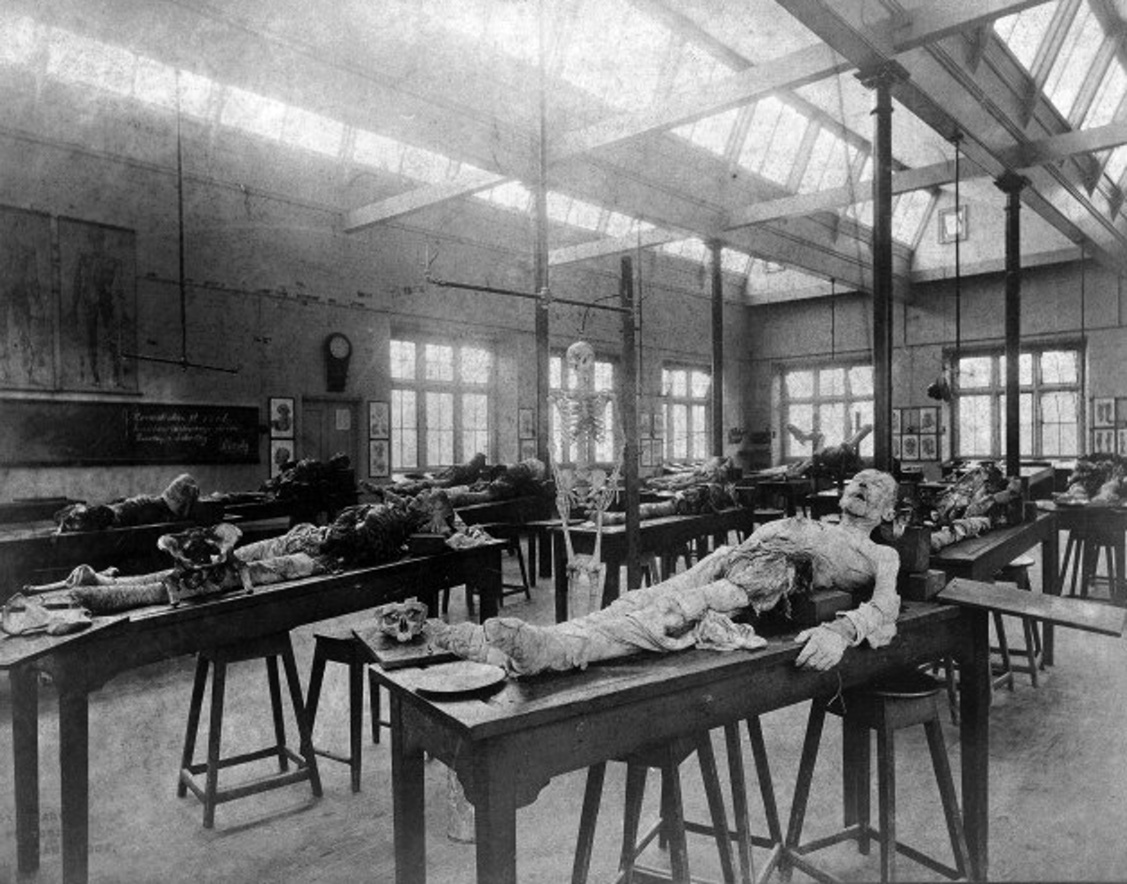
Pioneering 19th Century surgeon Joseph Lister (for whom “Listerine” is named) came face-to-face with dreadful conditions during his early medical studies at University College London Medical School (UCL). A central walkway split the dingy dissection room in half, with five wooden tables on either side. Cadavers were left with their incised heads hanging over the edges, which caused blood to gather in congealed puddles below. A thick layer of sawdust covered the floor, making the deadhouse disconcertingly quiet to those who entered it. “Not a sound could be heard even of my own feet… There was only that dull and rolling sound of the traffic in the streets which is peculiar to London, and which came dismally down through the ventilators in the roof,” a fellow student observed.


A slightly less disgusting dissecting room at Cambridge, 1888

Although UCL and its hospital were still relatively new in 1847, its dissection room was just as grim as those found in older institutions. It harbored all kinds of horrible sights, sounds, and smells. When Lister sliced into the abdomen of a cadaver—its recesses turgid with a thick soup of undigested food and fecal matter—he released a powerful mixture of fetid smells that would cleave to the inside of the nostrils for a considerable time after one had quit the scene. To make matters worse, there was an open fireplace at the end of the room, making it unbearably stuffy during the winter months when anatomy lessons commenced.

Unlike today, students could not escape the dead during their studies and often lived side by side with the bodies they dissected. Even those who did not live immediately adjacent to an anatomy school carried with them reminders of their gruesome activities, because neither gloves nor other forms of protective gear were worn inside the dissection room. Indeed, it was not uncommon to see a medical student with shreds of flesh, gut, or brains stuck to his clothing after his lessons were over.

Culled from: The Butchering Art


Malady Du Jour!

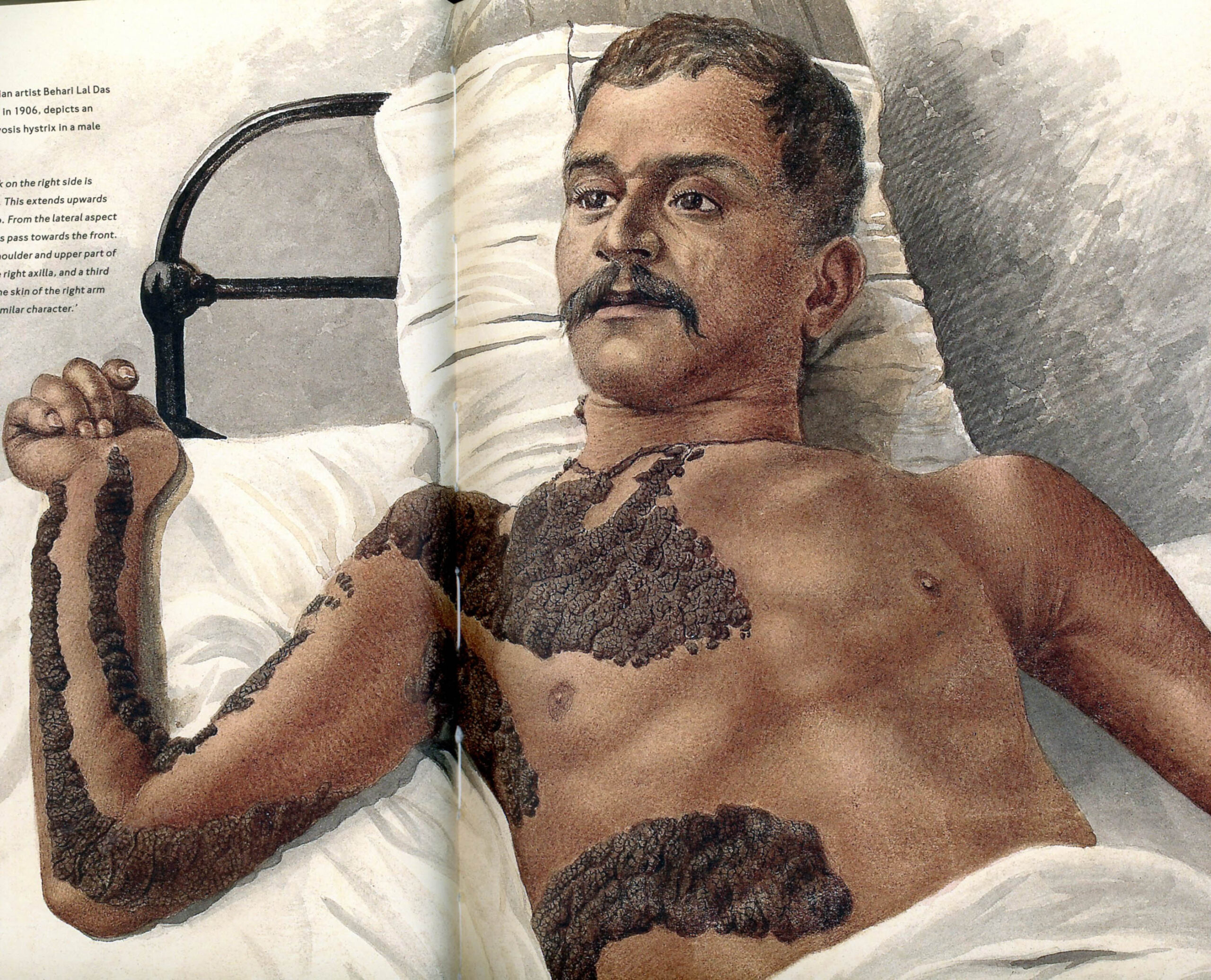
This watercolor, made by the Indian artist Beharl Lal Das in the Medical College of Calcutta in 1906, depicts an unusually extensive case of Ichthyosis hystrix  in a male patient. From the case notes:

“A large part of the skin of the trunk on the right side is occupied by a black warty growth. This extends upwards to the occipital region of the scalp. From the lateral aspect of the main mass three projections pass towards the front. Of these one occupies the right shoulder and upper part of the pectoral regions, a second the right axilla, and a third the right hypochondrium. Upon the skin of the right arm are two long linear growths of a similar character.”

Culled from: The Sick Rose

I looked up this disease and it is: “a term used to describe an ichthyosiform dermatosis which is characterized by hyperkeratotic spiny scales mainly over extensor aspects of limbs with palmoplantar keratoderma and occasionally associated with deafness and neurological deficit. It is a rare autosomal dominant form of ichthyosis and very few cases are reported in literature.”

I did stumble upon THIS case.  Apparently a vampire!  Am I wrong?

MFDJ 08/19/23: Madam Blunden’s Terror

Today’s Dismally Shrieking Yet Truly Morbid Fact!

Seventeenth-century medical and scientific literature provides little evidence that the English people of this time worried about the dangers of premature burial. The subject of people buried alive occurs in some popular pamphlets, but these publications were notoriously fanciful and should not be taken as proof that the fear of apparent death and premature burial was widespread at this time. One of them, The Most Lamentable and Deplorable Accident [the title of my next album – DeSpair], tells the sad tale of Lawrence Cawthorn, a butcher in Newgate Market in London, who suddenly fell ill sometime in 1661. His wicked landlady, eager to inherit his belongings, saw to it that he was hastily buried. But at the chapel where Cawthorn was buried, the visiting mourners were horrified by a muffled shriek from the tomb and by a frenzied clawing at the coffin walls. When finally disinterred, Cawthorn’s lifeless body was a horrid sight: the shroud was torn to pieces, the eyes hideously swollen, and “the brains beaten out of the head.”  It was concluded, “Amongst all the torments that Mankind is capable of, the most dreadful of them, and that which Nature most shrinks at is to be buried alive,” and the covetous landlady was roundly accused of having deliberately put the butcher living into the tomb. According to another pamphlet, entitled A Full and True Relation of a Maid Living in Newgate Street, attempts at rescue were similarly futile when a sixteen-year-old girl was heard to groan and cry from her four-day-old grave in a London cemetery. No seventeenth-century pamphlet was complete without a moralistic conclusion: the poor girl’s master and mistress had abused her so horribly that she had been overheard to pray that she would rather be buried alive than live in such misery; the Almighty did not tarry long before fulfilling this imprudent wish.

Much more sinister, and also more truthful, than either of these two pamphlets was News from Basing-Stoak, published in 1674, which heralded what was considered one of the most celebrated cases of premature burial of all time. Madam Blunden, a native of Basingstoke unflatteringly described as “a fat gross woman who liked to drink brandy,” one evening felt indisposed and ordered some poppy water from the apothecary. She drank most of it and fell into a deathlike stupor. Her servants sent for the apothecary who had prepared this decoction of opium, and after surveying what was left in the bottle, the apothecary pronounced that she had taken enough to not wake up for forty-eight hours and would therefore never rise again. Madam Blunden’s relatives and servants were convinced by this dubious deduction on the part of the obtuse medical attendant. Her husband, the wealthy maltster William Blunden, one of the leading citizens in Basingstoke, wanted to defer the funeral until he could return from London, but the vile smell from Madam Blunden’s huge body was so overpowering that her relations  unanimously decided to have her buried the day after her presumed demise. As the coffin was set down between two stools, one of the pallbearers was heard to joke that they had probably made Madam Blunden’s coffin too short, since he had clearly seen her stir because she could not lie easy. The man was rebuked for his levity.

Two days after the funeral, some schoolboys were playing in the burial ground near the Chapel of the Holy Ghost, when they heard a hollow voice emanating from the earth near Madam Blunden’s grave. Coming nearer, they could hear the plea “Take me out of my grave!” intermixed with “fearful groans and dismal shriekings.” Terrified, the boys ran to fetch their schoolmaster, but the brutal pedagogue took no action except to reproach them severely and to thrash some of them for telling such obvious lies. The morning after, the boys were back in the churchyard and heard the same ghostly voice from underground. This time, the usher did not resort to his birch rod, but uneasily suspected that there might be something in this extraordinary story after all. He went to ask the verger to have Madam Blunden’s grave opened, but this individual refused to do anything of the kind without permission from the church wardens. This body met the same afternoon and discussed the matter at length; not until the evening was Madam Blunden finally exhumed. The body being lamentably bruised and beaten, it was presumed that the injuries were self-inflicted during the horrid struggle underground. No signs of life could be detected, but the church wardens nevertheless posted some custodians to stand watch over the grave during the night. It was a wet night, however, and these custodians left the body in the coffin, put the lid on, and went indoors. The next morning, it was seen that Madam Blunden had again revived; the winding sheet was torn off, and she had scratched herself in several places and beaten her mouth until it was covered with  blood. A doctor was called, but he could only confirm that all life was gone, this time for good. There was of course an inquest after these almost unparalleled atrocities, and several individuals were held responsible for Madam Blunden’s death. But after a physician of the town (perhaps the same unwise apothecary who decanted the poppy water in the first place) had testified under oath that he had applied a looking glass to her mouth without being able to discern any breath coming from her, they were let off. The town of Basingstoke was made to pay a large fine, however, for this neglect.

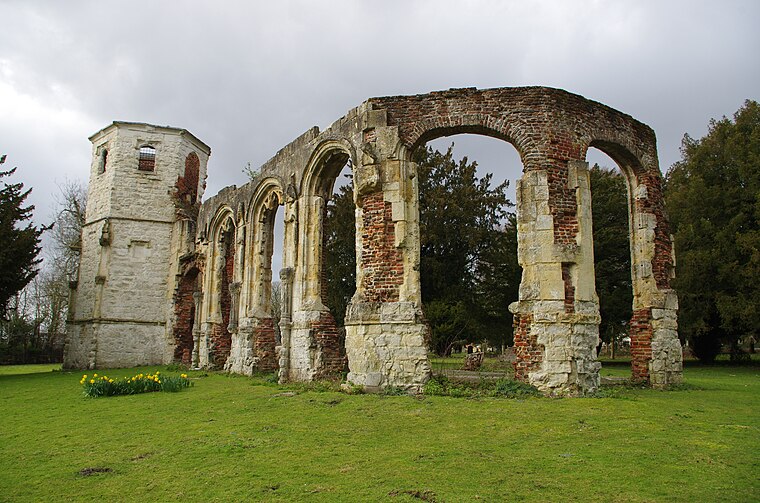
In 1819, the independent Minister Joseph Jefferson made inquiries in Basingstoke whether any person alive could remember the dreadful fate of Madam Blunden. Two old ladies recalled that their ancestors had been among the schoolboys involved; they both used to say that they had heard a noise in the vault and that the bruises on Madam Blunden’s face and the dew inside the coffin had let people to conclude that she had been buried alive. Mrs. Paris, the local midwife, was blamed for having persuaded Mr. Blunden to bury his wife too hastily, the servant maid Ann Runnegar, who had handed her mistress the fatal poppy water, had lost her reason on account of the dreadful event. The ancient Holy Ghost Chapel in Basingstoke was in ruins already in Jefferson’s times, but these ruins are still standing. It is know that Madam Blunden was finally buried in the Liten burial ground close to the chapel. In 1896, the burial reform propagandist William Tebb visited the Blunden vault, which he was in some way able to identify although the inscription on the gravestone was completely obliterated. It is interesting to note that there is still a local tradition in these parts that, a long time ago, a woman was buried alive in this cemetery and that the place is haunted.
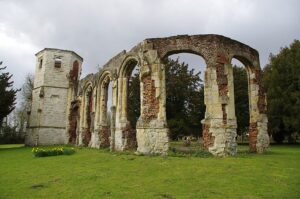

Ruins of Holy Ghost Chapel

Culled from: Buried Alive


Crime Scene Du Jour!
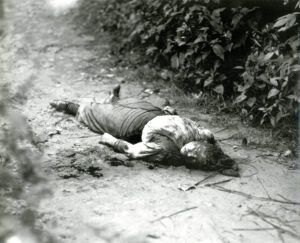
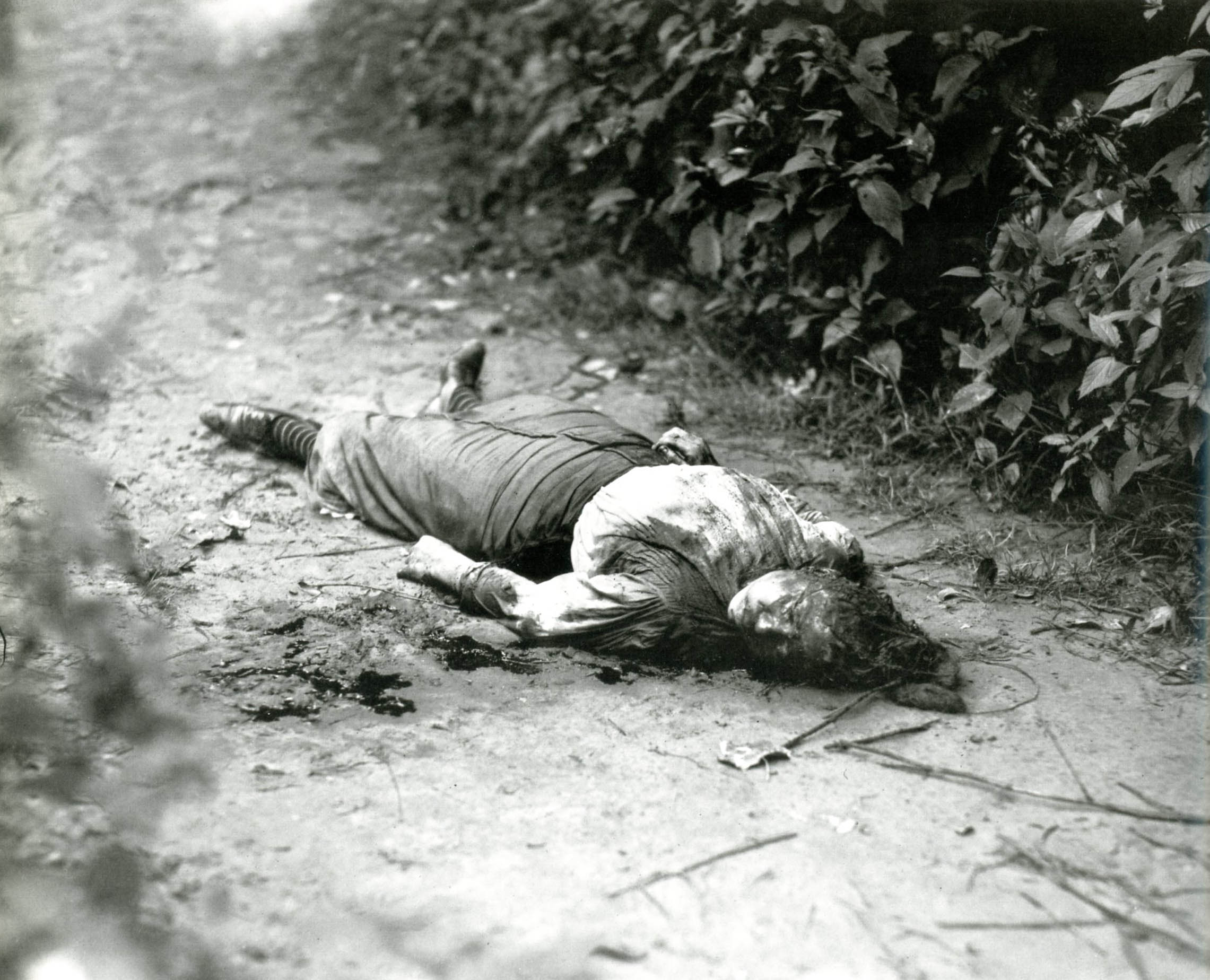
Spuyten Duyvil, at the northern tip of Manhattan, has been the site of crimes and unsettling discoveries throughout New York City history. This woman’s body was found there on August 10, 1913; nothing further is known about her.

Culled from: Shots in the Dark

“Nothing further is known about her,” my arse! Lazy journalists irk me.  Doing some newspaper research I found a very interesting trail of clues leading to the arrest of her murderer.

First, I was able to uncover an article in the New York Times (August 11, 1913) that discuses the discovery of the body:

FIND WOMAN’S BODY IN INWOOD GROVE

Her Throat Cut and Head Nearly Severed from Trunk
—Not Yet Identified.

Returning from a motor boat trip shortly before midnight last night, Frank C. Allen of 2493 Valentine Avenue, the Bronx, a member of the Reliance Boat Club, stumbled across the body of a young woman in the thick wood in Inwood known as the Cold Spring Grove.

Allen had decided to take a short cut through the woods from the boathouse at the foot of West 207th Street to his home in the Bronx, and was following a familiar footpath when he fell heavily across the body. In the darkness he was not certain as to the real nature of the obstruction which lay in his path. He lit a match and beheld the body of a young woman.

The woman’s throat had been cut from ear to ear and the head had almost been severed from the body. For the space of several yards in every direction the heavy foliage and shrubbery were trodden down, making it evident that there had been a desperate struggle.

For a moment, by the flickering light of the match, the young man looked upon his ghastly find. Then, with a shriek, he burst through the dense thickets to the roadway, and, shouting hysterically at the top of his voice, made away at full speed. His yells attracted the attention of Patrolman Flynn of the St. Nicholas Avenue Police Station, who was on duty a few blocks away. He ran up to the fleeing young man, who in a few sentences informed the policeman of his discovery. Flynn persuaded Allen to accompany him back to the woods, and, after verifying the latter’s story, hastened to the nearest patrol box and summoned an ambulance from the Washington Heights Hospital.

Owing to the narrow and almost impassable roadway leading to the lonely spot in which the body lay, Dr. Shaw, who responded to the call, had difficulty in reaching the wood. It was after 12 o’clock this morning when he arrived and upon examination of the corpse, said that life had been extinct for more than an hour when Allen found the body. The hands and wrist of the woman were badly cut, showing that she had attempted to wrest the weapon with which she was done to death from her murderer. Her clothing, which was of good texture, was torn. No weapon was found nor was there anything on the body to give the slightest clue as to the girl’s identity.

The victim was apparently 25 years of age, about five feet five inches in height, and weighed about 140 pounds. She was clothed in a white waist with a blue serge skirt, black silk stockings, russet pumps, and woolen underwear. Upon the third finger of her left hand she wore a gold ring set with three blue stones. She had dark hair with blue eyes and was good looking.

Half an hour after the body was found Detective Hyam, with a score of reserves from the St. Nicholas Avenue precinct, were beating the underbrush and with lanterns were searching for some trace of the weapon or for any other clue which might lead to the identity of either the victim or the slayer, but at 1 o’clock this morning the search had been unavailing.

The police say that a group from lower Manhattan held a picnic in the grove yesterday afternoon, and that a number remained in the woods until a late hour.

***************
The story continues in the August 16, 1913 issue of the New York Times – where a suspect appears!

MURDER HUNT NETS A TENT DWELLER

An Italian Arrested in a Hospital While the Police Look Up His Record.

CAMPED AT COLD SPRING

Rescued After Hours in River, He Refuses to Give Any Account of Himself.

The Harlem detectives, who, since late Sunday night, have been following the blindtrails leading from the body of the brutally murdered woman found in Cold Spring Grove, Inwood, were interested yesterday to learn that in Washington Heights Hospital was an Italian who had been found early in the morning half drowned in the Hudson River. The fact that he had been found not far from the woods where the murder was done caught their attention; the report that he seemed frightened and reticent when a visiting priest at the hospital tried to question him interested them still more, and the news that he had made an unsuccessful attempt to escape from the hospital brought a cluster of detectives to call upon him.

He had given his name as Mariano Ferrone and his address as 341 East 204th Street. But to Acting Capt. Herlihy he said that for the past three weeks his address had been Cold Spring Grove. For that period he had been camping out in the woods there, sleeping at night under a makeshift tent and eating what fish he could catch and what other food he could beg. The detectives were amazed at this, for they had repeatedly beaten through the undergrowth of the grove searching for clues and none of them had seen him.

They Found the Tent.

Late yesterday afternoon, they made another trip to the grove and found the tarpaulin where Ferrone had said they would find it.

But further information than this, the Italian would not give.

“I will not talk,” he told Detective Caputo, who acted as interpreter. “I am afraid.”

And when the asked him of what he was afraid, he took refuge in repeating:

“I will not talk.”

While he would not talk, much of his appearance spoke for him. He was emaciated and unkempt enough to bear out the story of the life in the grove. On his shirt were found paint-stains and blood-stains. These latter were attested to by the hospital surgeons, but whether they are human blood and how old they are will be questions for determination by more thorough analysis to-day. In his pocket were found two blood-stained handkerchiefs, one of them small and edged with lace. For the same examination, Herlihy made filings of Ferrone’s finger nails, and before he left last night he took a clipping from Ferrone’s dark brown beard to see if it matched the few strands of dark brown hair found in the grip of the murdered woman’s clenched hand. This comparison, too, will be made to-day.

But still more interesting was the discovery late in the evening that Ferrone had dabbled in shoe cobbling. Soon after the murder the detectives found not far from the body a penknife and a shoe last, the latter made of iron and wood, and heavy enough to have been a formidable weapon.  [I had to look it up:  “A last is a mechanical form shaped like a human foot.” – DeSpair]

Armed with these two bits of possible evidence, Caputo and Detective Connelly went late last night to the East 204th Street house that Ferrone had given as his address. They found he had lived in the basement with an Italian junk dealer, Zatable by name. Zatable told them that Ferrone had brought in old, tattered shoes, mended them, sold them and thus eked out a precarious living. In June he had gone away with the announcement that he would spend the Summer “in the country.”

Shoe Last Identified.

According to the detectives, Zatable identified the shoe last as Ferrone’s. As to the knife, he said he would have to see it by daylight.

Ferrone was found clinging to a beam in Spuyten Duyvil Creek at 1 o’clock yesterday morning when Commodore Schwener of the Dyckman Yacht Club was coming in with his launch, the Ellen. The Italian had been in the water for three hours, and said he had tumbled in while fishing.

He was taken to the Washington Heights Hospital, suffering from shock and submersion, but after breakfast he felt strong enough to leave, and did so surreptitiously. He got as far as the street, when he was brought back.

He was arrested in the Washington Heights Hospital last night charged with the murder of the woman.

The murdered woman’s body has not yet been identified. The police thought they had established the identity yesterday afternoon when Gregorio Giordano of 137 Mott Street went to he Bellevue morgue, looked at the body, cried out that it was his wife, and fainted away. When he recovered, however, he changed his mind, and late last night he was sure it was not his wife. Besides, he said, he had seen her alive as late as 5 o’clock Monday morning, some hours after the body was found. She had disappeared later in the day and was gone when he came home from work.


So, it’s sounding like the woodman is the murderer, right?  But… not so fast.  First, we finally have an identity.  Also, we have a new suspect.  Culled from The Evening World, August 16, 1913:

SLAIN WOMAN IDENTIFIED BY BROTHER AND COUSINS; HER HUSBAND DETAINED

Victim of Inwood Murder They Say Was Bride of Gregorio Giordano.

CORONER UNCONVINCED

He Will Have the Witnesses View the Body Again on Monday.

The woman found murdered late on Sunday in Cold Spring Grove, near Spuyten Duyvil, was positively identified to-day by Salvatore E. Bontorno of No. 51 Elizabeth street, who said the woman was his sister, Salvatora, who four months ago became the bride of Gregorio Giordano.  In addition to Bontorno, Giovanna, Salvatore and Sebastino Bontorno, cousins of the woman, and Santa Bontorno, a sister-in-law, and Giuseppe Montalto, a friend, all identified the body as that of Salvatora.

Nevertheless Coroner Winterbottom said that he was not satisfied with the identification and would take the party back to the Morgue on Monday to assure himself that they were correct. The Coroner is influenced by the fact that Gregorio himself viewed the body last night, said it was his wife, then fainted away, and when he recovered decided that perhaps, after all, it wasn’t Salvatora.

The Giordanos lived at No. 137 Mott street and the police are looking for Gregorio now. Salvatore Bontorno said that he last saw his sister at 6 o’clock Sunday night when she called at his home and stayed about ten mines, saying, as she left, that she was going for a walk with her husband, who was waiting for her outside. The next night Gregorio called to ask if he had seen anything of Salvatora, whom, he said, he had not seen all day and about whom he was worried. The police are anxious to question Gregorio, as they say he said at the Morgue that his wife had left the house early Monday morning and had been safe in bed at the time the body was found Sunday night.

MAKING ANALYSES OF BLOODSTAINS.

With the identification by the woman’s other relatives the police sought her husband. They learned that he worked on the subway excavation in Brooklyn and a dozen detectives were sent out to find him. Meantime an Evening World reporter found him at his home, where the police had not thought to look. He was taken to the Mulberry street station by Detective Murphy, who went to the house when he learned of Giordano’s presence there.

Later the man will be taken before the Coroner. He seemed to be in a daze and had nothing to say. Neighbors said that he and his wife quarreled frequently. The police are anxious to know why he told them his wife was safe in bed all Sunday night when her body was found no later than 10 o’clock Sunday night.

Prof. John H. Larkin of the College of Physicians and Surgeons is making analyses to-day of the blood-stained garments of Mariano Ferrone, the man who was picked up in the Hudson River early yesterday morning and is now a prisoner in Washington Heights Hospital, and of clippings of hair cut from his head, his mustache and beard. Prof. Larkin is making other analyses of the blood on the garments of the girl.

The police are awaiting the conclusions of the professor to see if they will warrant a charge of murder against Ferrone. Already the shoemaker’s last which was found near the murdered girl and with which it is believed her skull was fractured, bringing death, has been identified as the property of “wild man” prisoner.

To-day, too, saw what appears to be the certain identification of the murdered girl. Salvatore Bontorno, who says he is a brother of the murdered girl, and several cousins, went to the Morgue and said the girl was the wife of Gregorio Giordano, a laborer, of No. 137 Mott street. This identification is strengthened by the fact that Giordano himself identified the woman last night as his wife, Salvatora, though upon recovering from a faint in which he fell as he looked at the body he admitted that there might be some doubt. the police believe it unlikely that the woman’s brother and other relatives could all be mistaken, however.

Ferrone, according to Dr. Schorr, has a slight attack of pneumonia and also is deranged, though whether this condition is not a result of his weeks’ of exposure in the Inwood woods, aggravated by the hours he spent floating on a log in the Hudson, the doctor could not say.

When first taken to the hospital Ferrone rambled incoherently about spending five or six weeks in the woods on the upper end of Manhattan Island. Pressed to tell of what he had done in that period, a queer look came into his eyes and is said to have replied, “I’m afraid—I’m afraid to tell.”

*******

On August 19, 1913, the New York Tribune added some details:

MAY BE WOMAN’S SLAYER

Laborer Seen Near Scene of Crime, New Witness Asserts.

Whether Gregorio Giordano, husband of the woman found dead in Cold Spring Grove a week ago, will be charged with the crime will largely depend upon testimony of two persons. They said yesterday that they can positively identify an Italian laborer they met near the scene shortly after the crime was committed.

Giordano, who is a prisoner in Bellevue Hospital, has been unable to give a clear statement of his whereabouts for the last ten days. According to the detectives, Charles Muehler, a business man, living at No. 125 Vermilye avenue, was near the spot where the woman was killed shortly before she was struck down.

A possible motive for the murder was found yesterday when several neighbors told that Mrs. Giordano had been extremely jealous of her husband. She may have followed her husband to the lonely road where she was found, they said.


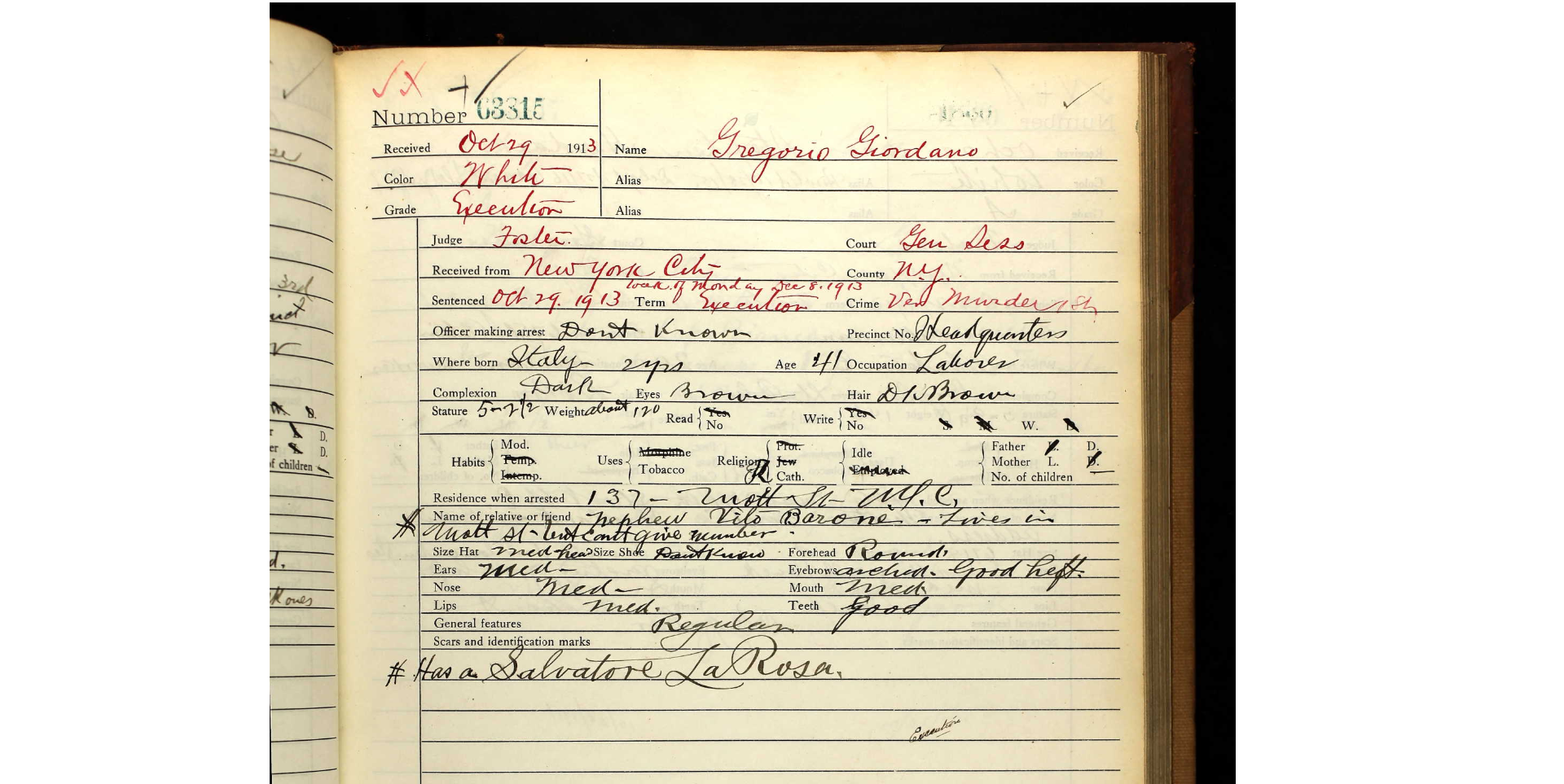
So at this point, the cops were confused.  And then the trail grows quiet in the newspapers.  However, a search through Ancestry finds a Sing Sing Prison record for one Gregorio Giordano dated October 29, 1913  which confirms his conviction and that he was going to the Death House.
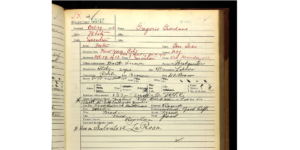
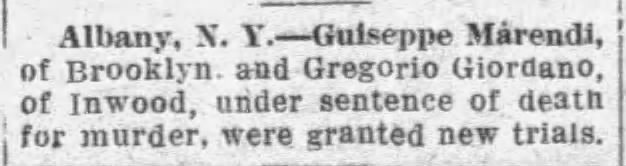
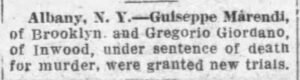
However, I have a book on Sing Sing executions and it doesn’t list his name, and I also found this little snippet from the January 23, 1915 Montgomery Times indicating that he was granted a new trial.
To my utter annoyance, I can’t find the result of the new trial though.  If anyone can find it, please let me know and I will follow-up.
MFDJ 08/18/23: The Perils of Civil War Paramedics

Today’s Dangerous Yet Truly Morbid Fact!

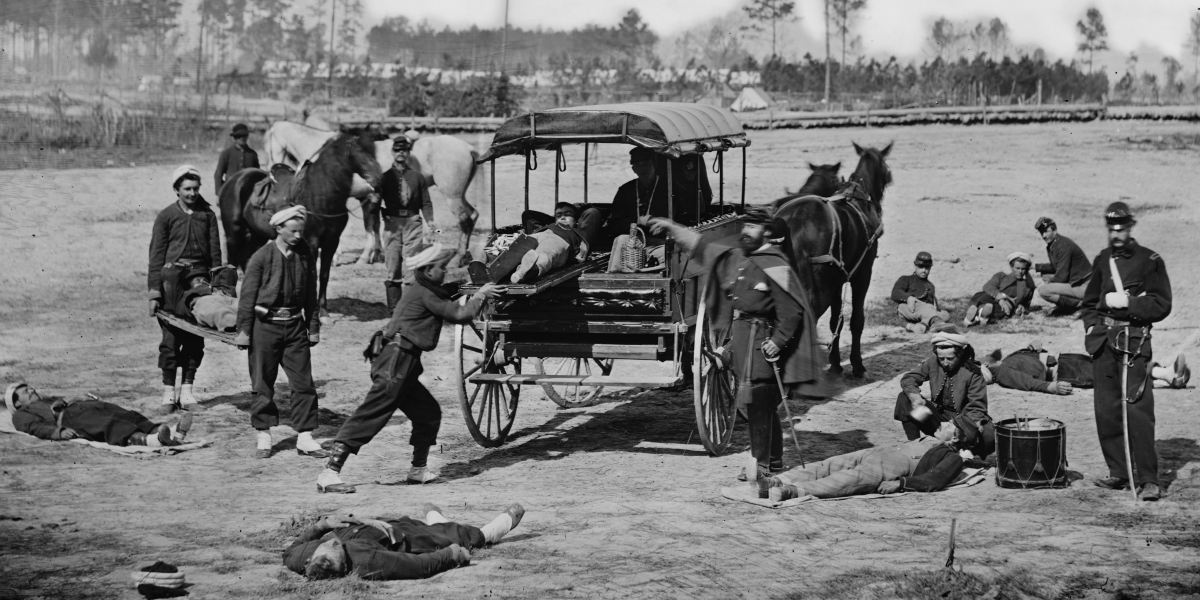
To address the problem of keeping the wounded lying on the battlefield until a battle was over, Jonathan Letterman, Medical Director for the Union Army during the Civil War, established an ambulance corps for the first time. Before Letterman’s plan was introduced, musicians and convalescents were often pressed into service as stretcher bearers and ambulance drivers, under command of the Quartermaster Department. Letterman took that responsibility away from the Quartermaster Department and instituted trained attendants. He also assigned one four-horse ambulance and two two-horse ambulances to each regiment, with three privates assigned to specific duties for each ambulance. Brigade officers were assigned to oversee the ambulance service, and brigades were assigned their own medicine and supply wagons.


Zouave ambulance crew demonstrating removal of wounded

Divisional ambulance trains were organized with forty to fifty ambulances and ten to fifteen supply wagons per train. Each ambulance had four stretchers and hand litters, plus a supply of bandages, lint, milk, and concentrated beef soup. These supplies were to be used in an emergency only.

Those assigned to the Ambulance Corps had the responsibility of removing the wounded from the battlefield as quickly as possible, no longer waiting until the battle was over, as had been the practice. This undoubtedly saved many lives, but proved to be dangerous duty for the men of the corps. Enemy troops fired indiscriminately at anyone in the line of fire, combatants and noncombatants alike. At Gettysburg one officer and four privates were killed and seventeen wounded while in the discharge of their ambulance duties. A number of horses were killed and wounded, and some ambulances damaged.

Culled from: Bullets and Bandages


Post-Mortem Photo Du Jour!


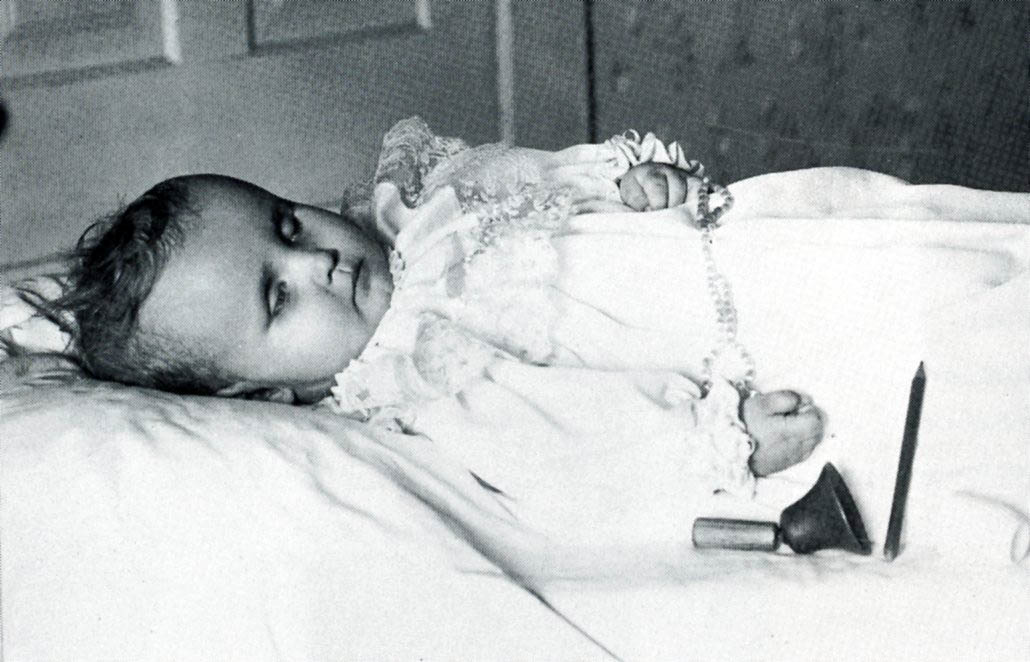
Postmortem photograph of unknown child with rosary beads, a bell, and pencil. 
Rogan, ca. 1890s. Gelatin silver print on cardboard mount, cabinet card.

Culled from: Secure the Shadow: Death and Photography in America

MFDJ 08/17/23: Broken in White Satin

Today’s Decent Yet Truly Morbid Fact!

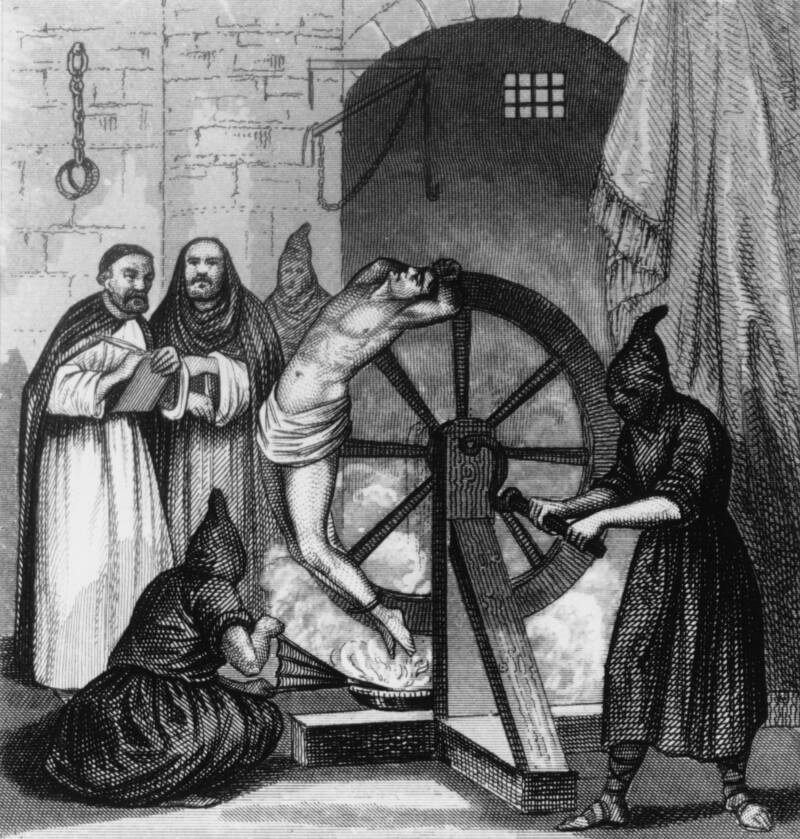
In 18th century Belgium, dying on the wheel was the penalty for murder, and not only for men, either, for a young woman who had stabbed her husband to death was sentenced to be broken on the wheel.

She pleaded that she might be allowed “to appear on the scaffold with that decent degree of covering which may screen my naked limbs”. Permission forthcoming, she was executed wearing a jacket and pantaloons of white satin.
The Breaking Wheel – gruesome indeed!

Culled from: The Book of Execution

Wyoming Territorial Prisoner Du Jour!

They really were awful at keeping people imprisoned at the Wyoming Territorial Prison in Laramie, Wyoming.  Witness, for example, the official Warden record book’s entry for Prisoner #12.

#12  George “Scotty” Franklin
December 27, 1873 – Robbery – Sweetwater County – 3 years – age 26 – Locksmith – New York.

Remarks: Convict escaped on the evening of March 9, 1874 with eight other prisoners in the attack on the Night Guard James Mills. Franklin let himself out of the cell with a homemade wooden key when he heard the commotion of the other prisoners attacking the guard on the second tier. He ran upstairs to help the prisoners over-power the guard; threw him in a cell and locked the door. The officers found the wooden key in his clothes after he escaped. Never recaptured, but the horses he and inmate James took were found 10 miles south of the city.

Culled from:  Atlas of Wyoming Outlaws at the Territorial Prison

MFDJ 08/16/23: The Power of a Mother’s Imagination

Today’s Imaginative Yet Truly Morbid Fact!

In 17th century America, there were gendered explanations for monstrous births of all sorts; irregularities of various kinds were often attributed to maternal imagination, for example. According to Aristotle’s Master-Piece, the most popular and often reprinted medical manual in the colonies and the definitive word on all matters relating to reproduction, a pregnant woman’s unruly thoughts could cause a birth anomaly. If a pregnant woman saw a rabbit, for instance, her child might be born with a harelip (cleft lip), the manual cautioned. “Some Children are born with flat Noses, wry Mouthes, great blubber Lips, and ill-shap’d Bodies; and most ascribe the reason to the Imagination of the Mother, who hath cast her Eyes and Mind upon some ill-shap’d Creature.” Pregnant women were cautioned to steer clear of such sights, or at least to avoid staring at them.

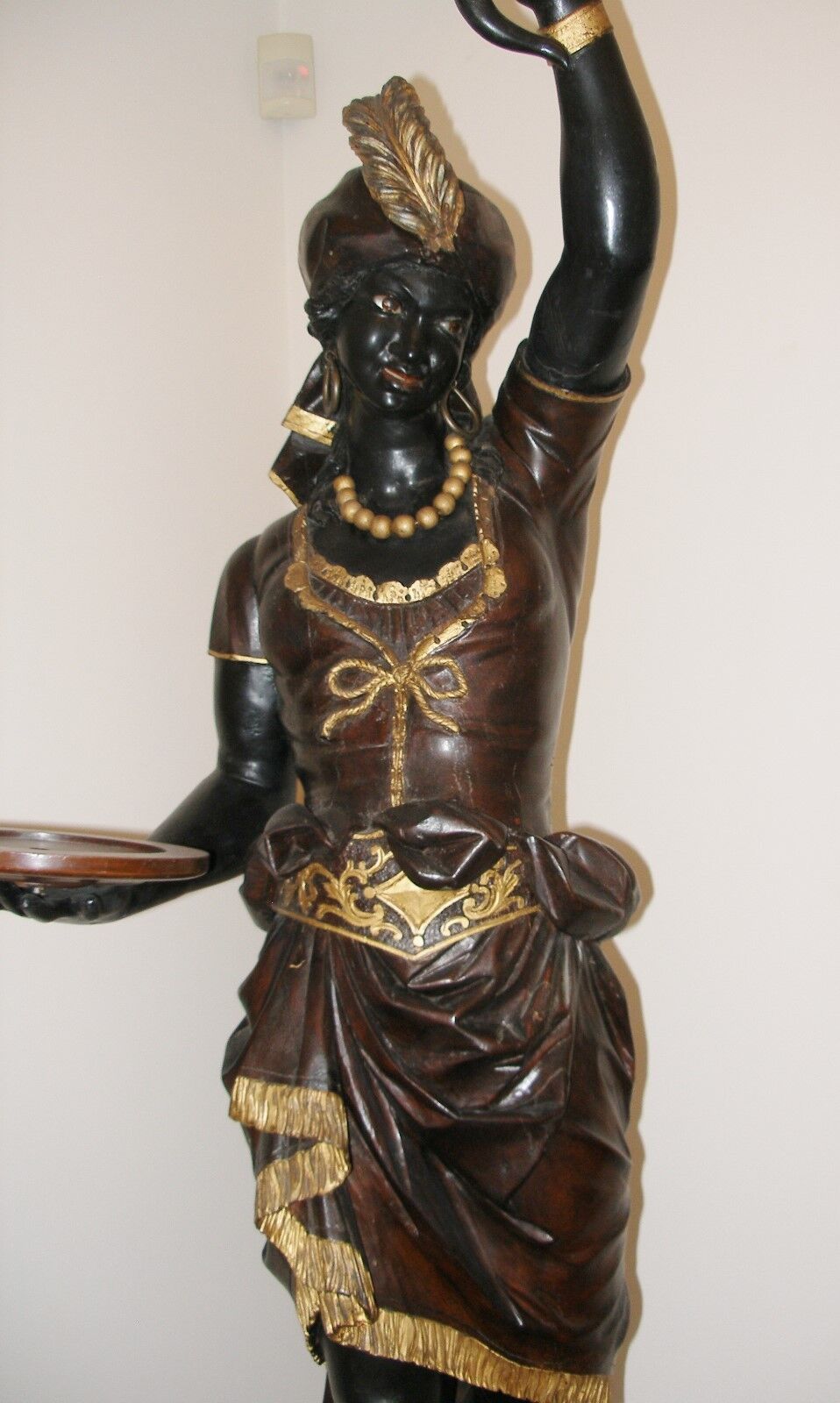
Jane Sharp’s The Midwives Book; or, The Whole Art of Midwifery Discovered, one of the few midwifery manuals written by a woman, had also cautioned against women’s excessive imagination during pregnancy. “Sometimes the mother is frighted or conceives wonders, or longs strangely for things not to be had, and the child is markt accordingly by it,” she wrote. Sharp told a widely circulated story of a white woman who had a dark-skinned child; the woman had “lookt on a Blackmore [and] brought forth a child like to a Blackmore.” [People were such suckers back then!  And BTW, I had to look it up:  Blackmore= “a European style of decorative art in which dark-skinned usually male human figures are depicted in a stylized and ornate form” – DeSpair]


Blackmore – you ARE the father!

Like other authors, Sharp included observations from her own experience, a practice no doubt meant to persuade readers of their veracity. “One [woman] I knew,” she recalled, “that seeing a boy with two thumbs on one hand, brought forth such another.” Such births could have other explanations, to be sure, but Sharp insisted that “the imagination is so strong in some persons with child, that they produce such real effects that can proceed from nothing else; as that woman who brought forth a child all hairy like a Camel, because she usually said prayers kneeling before the image of St. John the Baptist who was clothed with camels hair.”

Culled from: Bodies in Doubt: An American History of Intersex


Asylum Inmate Deaths Du Jour!

The book Angels in the Architecture contains Accounts of the First Twenty Patient Deaths of the Northern Michigan Asylum at Traverse City between November 30, 1885 and September 30, 1886.  Here are a few of the deaths:

Male, age 27, single, native of Ireland
Occupation: laborer
“[He] was a, when admitted, much demented, and in delicate physical health. His death was due to acute peritonitis, caused undoubtedly by his degraded habit of eating irritating and indigestible articles. Broom straws, the nap from the blankets, articles from the spittoons, and other filthy and disgusting material were to him choice morsels.”
Died April 11, 1886
Cause of Death: acute peritonitis

Male, age 42, single, native of Germany
Occupation: laborer
“When admitted he was suffering from dementia and advanced pulmonary disease. He presented the usual symptoms of phthisis, and died at the end of four months. The post mortem examination showed that both lungs were the seat of extensive tubercular degeneration.”
Died: April 19, 1886
Cause of Death: phthisis  [Pulmonary tuberculosis – DeSpair]

Male, age 65, married, native of Germany
Occupation: farmer
“[He] was extremely demented when he came to the institution. He suffered from an attack of acute peritonitis, and died in a few days after its onset. The autopsy revealed that prior to this attack there had probably been long standing sub-acute peritoneal inflammation. The lower lobe of the right lung was also found to be inflamed.”
Died: May 4, 1886
Cause of Death: pneumonia

Culled from: Angels in the Architecture: A Photographic Elegy to an American Asylum

MFDJ 08-15-23: Desecrating the Union Dead

Today’s Desecrated Yet Truly Morbid Fact!

Many men who died at the first Battle of Bull Run in the American Civil War have become famous and their remains are identified and well-cared for. Confederate Gen. Barnard Bee, who gave Brigade Commander Thomas Jackson his sobriquet “Stonewall,” and Confederate Col. Francis Bartow, who died after having been hit in the chest by a projectile while leading Col. Lucius J. Gartrell’s 7th Georgians up Henry House Hill, are two examples. Bee’s and Bartow’s remains were taken back to Richmond via train, given services at St. Paul’s Episcopal Church, and then sent to their families for burial.

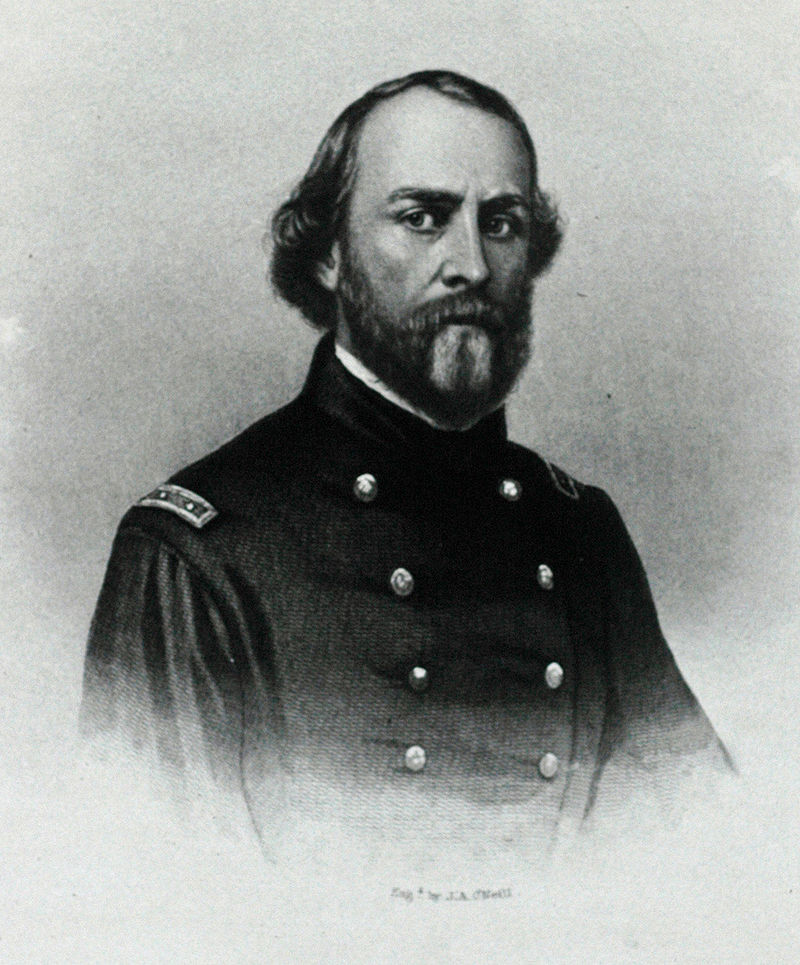
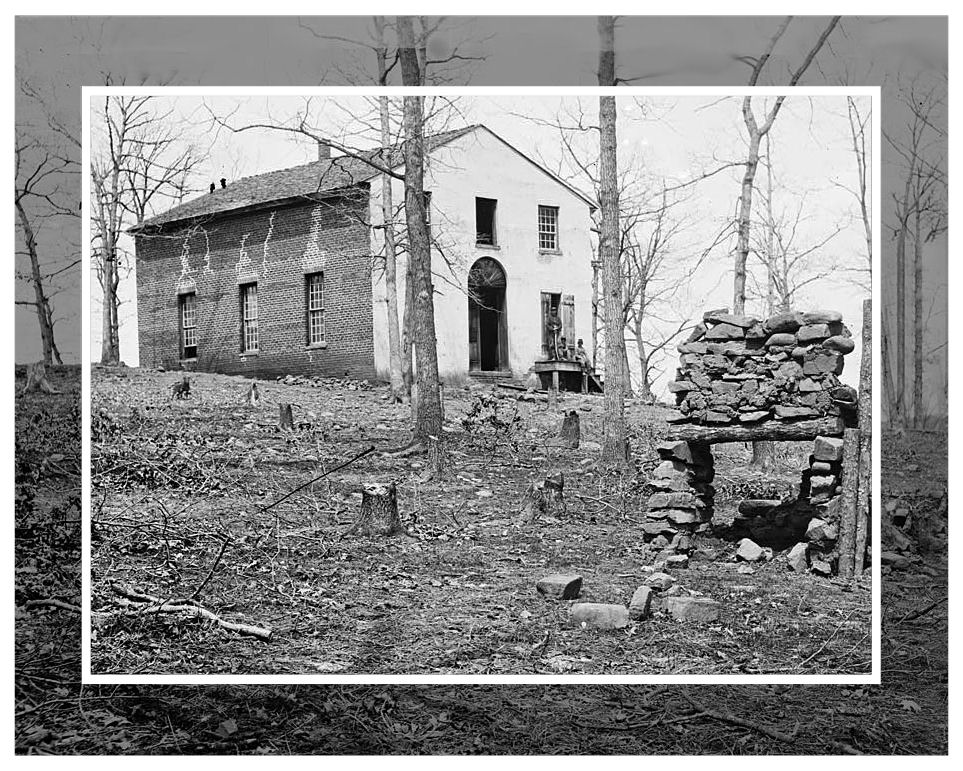
Union Maj. Sullivan Ballou, of the 2nd Rhode Island was not so lucky. He and several other Rhode Island officers had been too badly injured to move during the Union retreat, and were left at the field hospital within Sudley Church. The men were then moved to the Thornberry house, where Rhode Island Col. John S. Slocum died on July 23 and Ballou on the 28th. They were buried, side-by-side, near Sudley Church. Rumors had surfaced in the winter of 1861 that some Confedereates had returned to the battlefield and exhumed Federal bodies, the Rhode Island officers being among those who were desecrated. Rhode Island Governor William Sprague and his party of 70 politicians and soldiers left Washington, D.C. on the rainy morning of March 19, 1862, to check the truth of the rumors and retrieve the bodies of their officers and men, if possible.
Major Sullivan Ballou, intact.

Colonel John Slocum.

Progress was slow, and the Boy Governor of Rhode Island and his friends reached the battlefield on March 21. They were unable to find the graves they sought, although they did come upon a skeleton leaning against a tree. The skeleton was unable to offer much information, and the group continued across Bull Run to the now-abandoned Sudley Church. Sprague directed his secretary, Walter Coleman, to begin digging at two burial mounds that had been identifed as belonging to Slocum and Ballou. (The rest of the story gets awful and it can be found in the Reports of the Joint Committee of the Conduct of the War, Volume 3, pp. 458-460.)


Sudley Church during the Civil War.

Dr. Greely was sworn in by the committee and examined by its chairman. He was asked the purpose for his being on the field at that time, and he explained that he and the rest of Governor Sprague’s party were looking for the remains of Rhode Island officers:

[T]his colored girl came down where they were and asked them what they were digging for. Said she, “if you are digging for the body of Colonel Sloke—,” … One of the party said, “Colonel Slocum.” “Yes, sir,” said she, “that is the name; you won’t find him; the Geogia regiment men dug him up some weeks ago, and first cut off his head and then burned his body in the little hollow there,” pointing it out to us. She told us that his shirts were down in a place that she pointed out, and that his coffin had been left in the stream…

Another child corraborated the girl’s story, and added that it was the 21st Georgia who burned the body and left with its skull. Acting on this information, several of the men went down to the little streambed. They easily found where a fire had been lit, and within the fire pit were several human bones. There was no portion of a skull, although the ashes were examined with care.
The rest of the party continued to look for the graves of Slocum and Ballou. Nothing had been found until Greely suggested running a sabre into the ground. If a coffin were buried there, the sabre would indicate its presence. In this manner the remains of Slocum were found and identified by his uniform. There was no sign of Ballou’s body at the gravesite. Greely and the other men inferred that the bone fragments must be those of Ballou, and that the Georgia regiment had taken his skull away.

Governor William Sprague and the Reverend Frederick Denison corroborated Dr. Greeley’s appalling testimony. The 21st Georgia, for revenge, had mutilated the body of a Federal officer, attempted to burn the body itself, and took the head with them when they left the area, believing it to be that of Col. Henry Slocum. It belonged, however, to Maj. Sullivan Ballou. Whether it became a drinking cup is not known, although rumors persisted throughout the entire war of just such atrocities.
Culled from: The Aftermath of Battle: The Burial of the Civil War Dead by MFDJ Patron Meg Groeling

Crime Scene Du Jour!

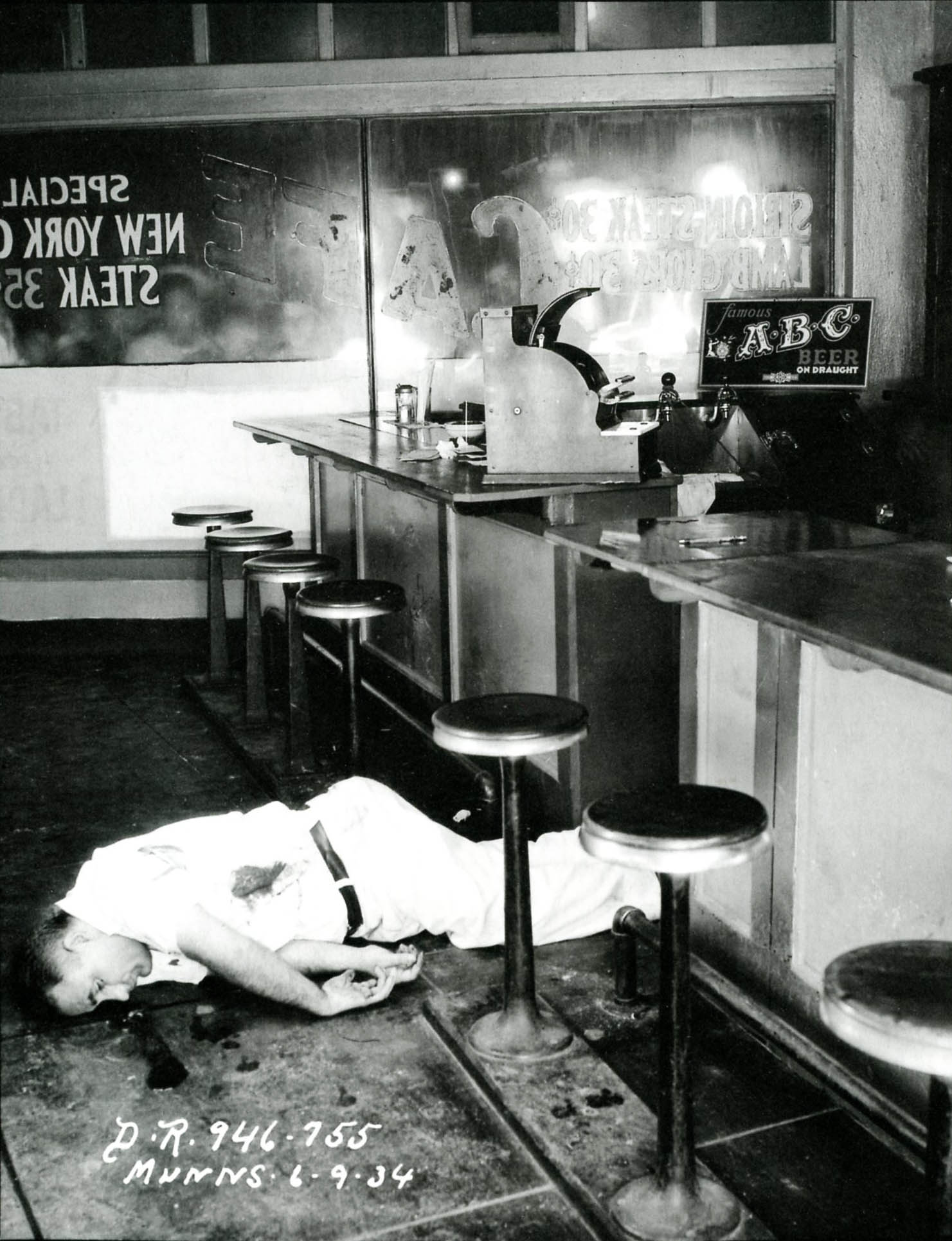
Photographer: Munns. 06-09-1934.

The co-owner of an East 8th Street restaurant and beer garden, John Manukoff, 46, was shot to death by his partner, John Mikoff. After finding the cash register short of funds several times, Mikoff confronted his partner, killing him in the ensuing argument. Mikoff’s wife later convinced him to turn himself in to police.

Culled from: Scene of the Crime: Photographs from the LAPD Archive

I found an article about this quarrel from the June 9, 1934 Los Angeles Evening Post-Record:

NICKEL DISPUTE ENDS IN DEATH

Cafe Partners Quarrel Over Pin-Marble Game

A quarrel over the purported disappearance of nickels from a pin-marble game in the restaurant they operated at 3578 East Eighth street, last night climaxed in the slaying of John Manukoff, 41, and sent his partner, John Mikoff, 45, to jail.

Mikoff was booked on suspicion of murder.

A waitress, Fers Myers, who witnessed the fight between the two partners, told police that Mikoff accused Manukoff of stealing the money from the game. During the quarrel, Mikoff whipped out a pistol and shot his associate to death, it was charged.

Mikoff was convicted and sentenced to – get this – 1 to 10 years in San Quentin. I guess they bought his “self-defense” claim?  

And it looks like the building where this murder occurred still exists – a rarity for Los Angeles!

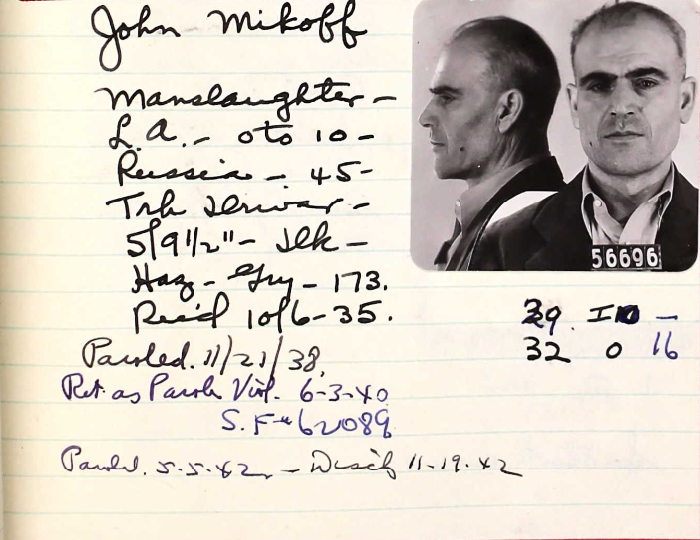
And here’s Mikoff’s San Quentin record – handsome fella, eh?   Looks like he was paroled after 4 years, came back in 1940 due to a parole violation, then was paroled again in 1942.

MFDJ 08/14/23: The Dangers of Cooling Off

Today’s Bulging Yet Truly Morbid Fact!

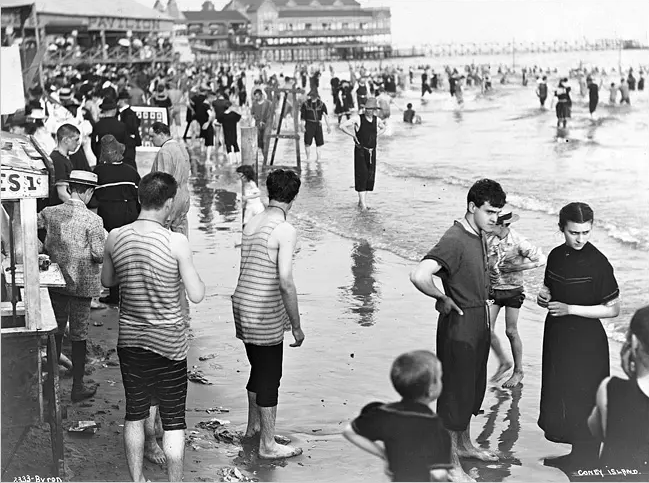
During the New York City heat wave of August, 1896 most people stuck close to the shore and the surf.  Reports of drowning came from all over the region. Fifteen-year-old William Brown was swimming in the Hudson with some friends when he suddenly threw up his hands and went under. As all the boys had been playing games and “cutting all sorts of antics,” no one paid much attention until his friend noticed that he had not come back up for air. They tried diving for Brown but unable to find him, they ran to a nearby police station for help. His body was soon discovered. Two died in Newark, bodies were found in the North and Hudson Rivers, and a little girl nearly drowned after wading in the East River.


Cooling off at Coney Island in the Summer of 1896

The strangest drowning of the day (Saturday, August 8) occurred when F.R. Schultz, a baker, choked on his false teeth while bathing at Rockaway Beach on Long Island. Although he was swimming in shallow water at the time, he was unable to help himself and was dragged from the surf by a lifeguard. As the lifeguard tried to resuscitate Schultz, he noticed a bulging in the man’s throat. Pushing his finger down the throat, the lifeguard found a plate with two false teeth on it. By this time Schultz was already dead.

Culled from: Hot Time in the Old Town


Holocaust Victim Du Jour

The Euthanasia Program (Aktion T4) was the systematic murder of institutionalized patients with disabilities in Germany. It predated the genocide of European Jewry (the Holocaust) by approximately two years. The program was one of many radical eugenic measures which aimed to restore the racial “integrity” of the German nation. It aimed to eliminate what eugenicists and their supporters considered “life unworthy of life”: those individuals who—they believed—because of severe psychiatric, neurological, or physical disabilities represented both a genetic and a financial burden on German society and the state.

Approximately 300,000 people were murdered between 1934 and 1945.  Here is one of them:

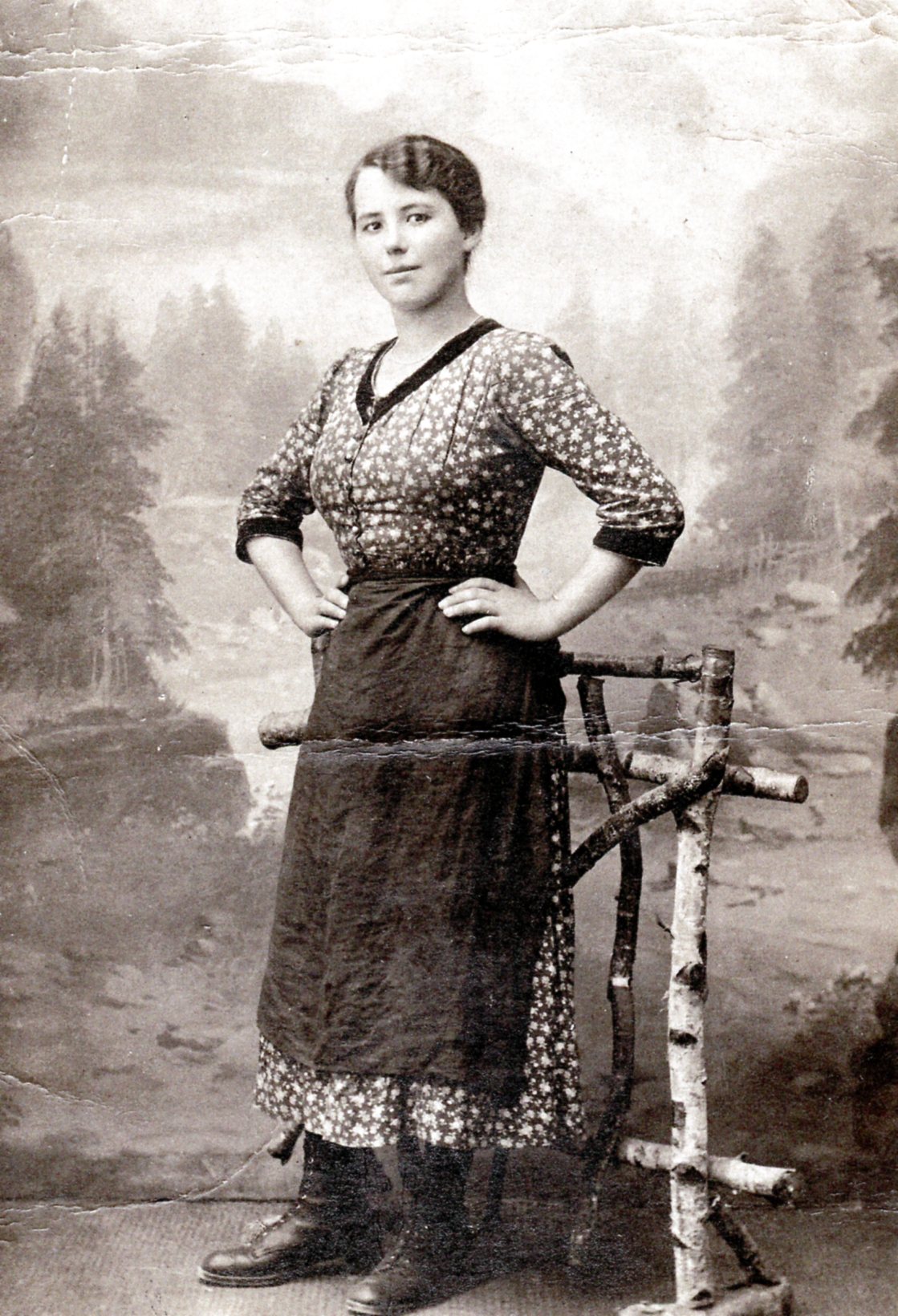
Leopoldine Schlager was born in 1898. She lived in Mürzzuschlag, Styria (Austria), until 1928, when she was admitted to the Am Feldhof state mental hospital in Graz. She was murdered in the Hartheim killing centre in 1941.  This picture shows Leopoldine circa 1920.

Culled from:  Registered, Persecuted, Annihilated: The Sick and the Disabled Under National Socialism

MFDJ 08/13/23: The Original Thugs

Today’s Deceptive Yet Truly Morbid Fact!

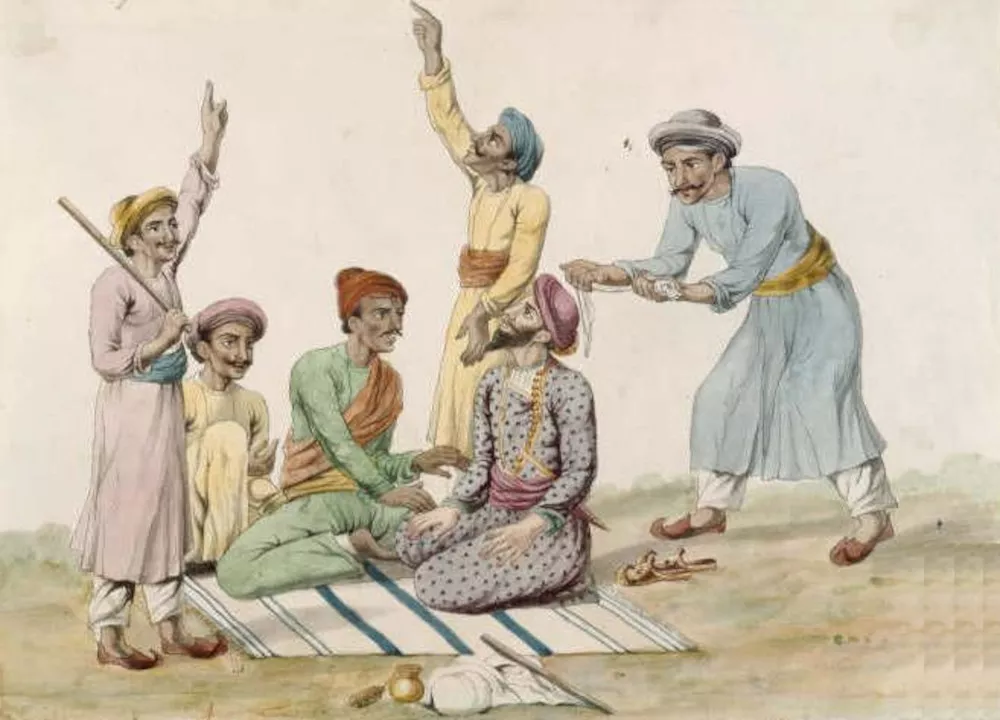
Your average modern-day thug tends to be a relatively scary character, particularly when he’s armed with a 9mm handgun. Still, compared to the original Thugs—a notorious cult of killers that existed in India for at least six centuries—even a Mafia hitman seems like a wimp.

A secret society of robbers and murderers, the Thugs were devotees of the cannibal goddess Kali, in whose name they committed their innumerable crimes. The word thug itself is a bastardization of the Hindu word thag, meaning a rogue or deceiver. Deception was crucial to their murderous technique. Posing as innocent travelers, a group of Thugs would join up with a party of pilgrims or traders (their favorite targets). Then—after luring the party to a suitable spot—the Thugs would sneak up on their victims and strangle all of them at once while chanting prayers to the goddess. After mutilating and gutting the corpses, the killers would bury the bodies and hold a ritual feast on the graves.


Hey, is that Sigourney Weaver?  Ha, Sucker!

Generation after generation of Thugs strangled countless victims throughout India. (Children of cult members were inducted into the society and taught the prescribed method of murder on clay dummies.) Finally, beginning in 1830, the British launched a virtual war on the Thugs, wiping out the death cult by 1860.

For sheer exotic evil, the Thugs are hard to beat; it’s no surprise that two of the most colorful adventure films of all time have used these Kali-worshipping cultists as villains—George Steven’s Gunga Din and Steven Spielberg’s Indiana Jones and the Temple of Doom.

Culled from: The A to Z Encyclopedia of Serial Killers


Vintage Prisoner Du Jour!

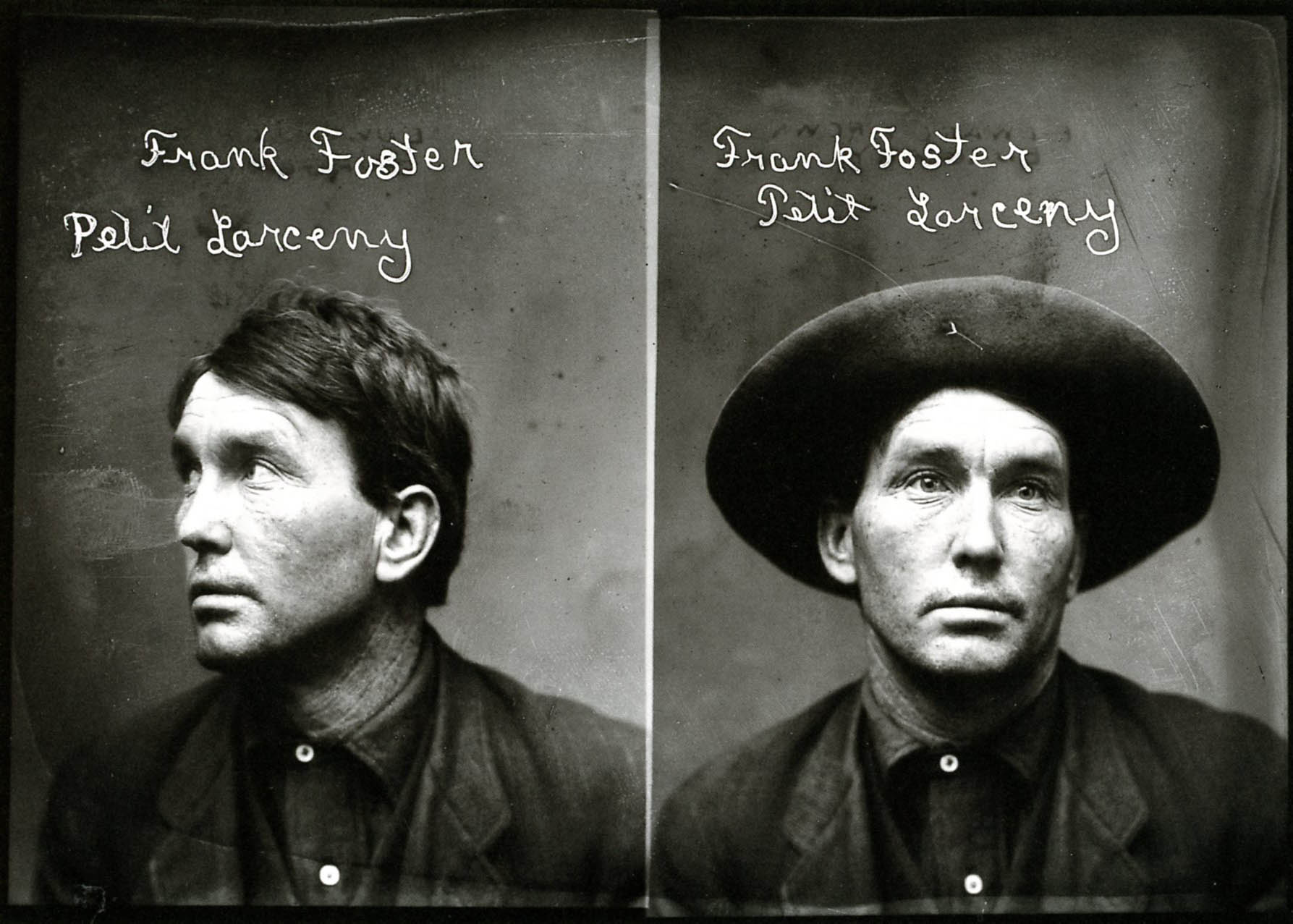
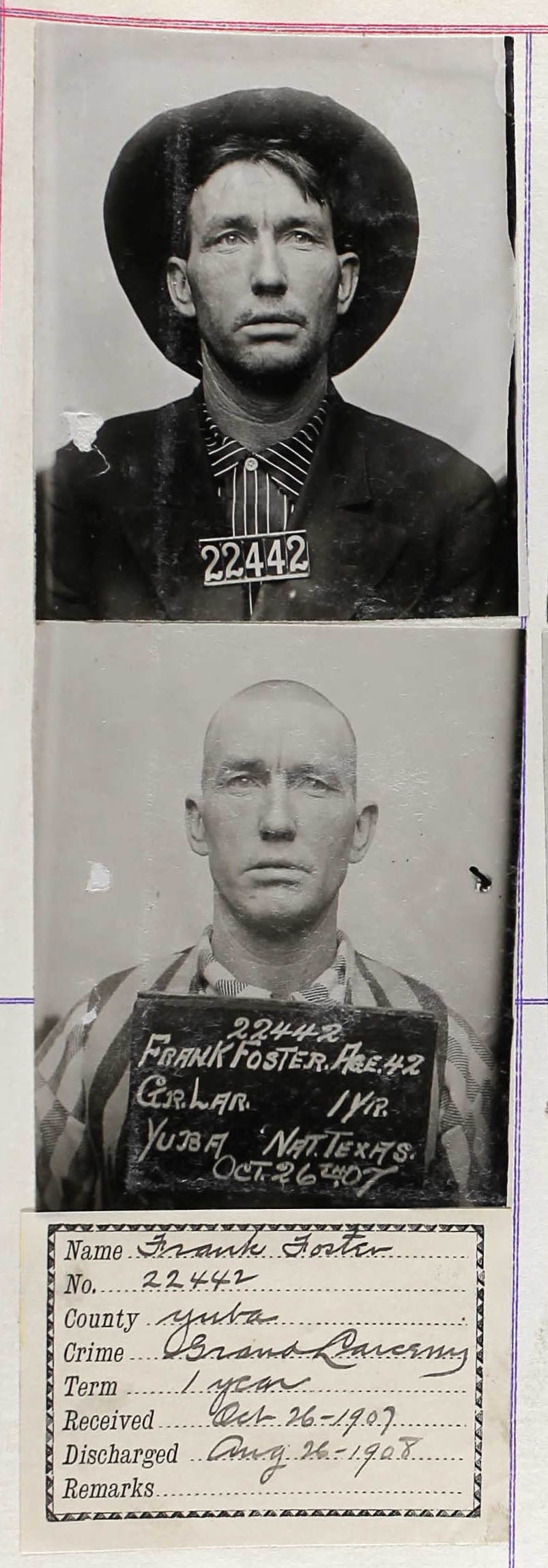
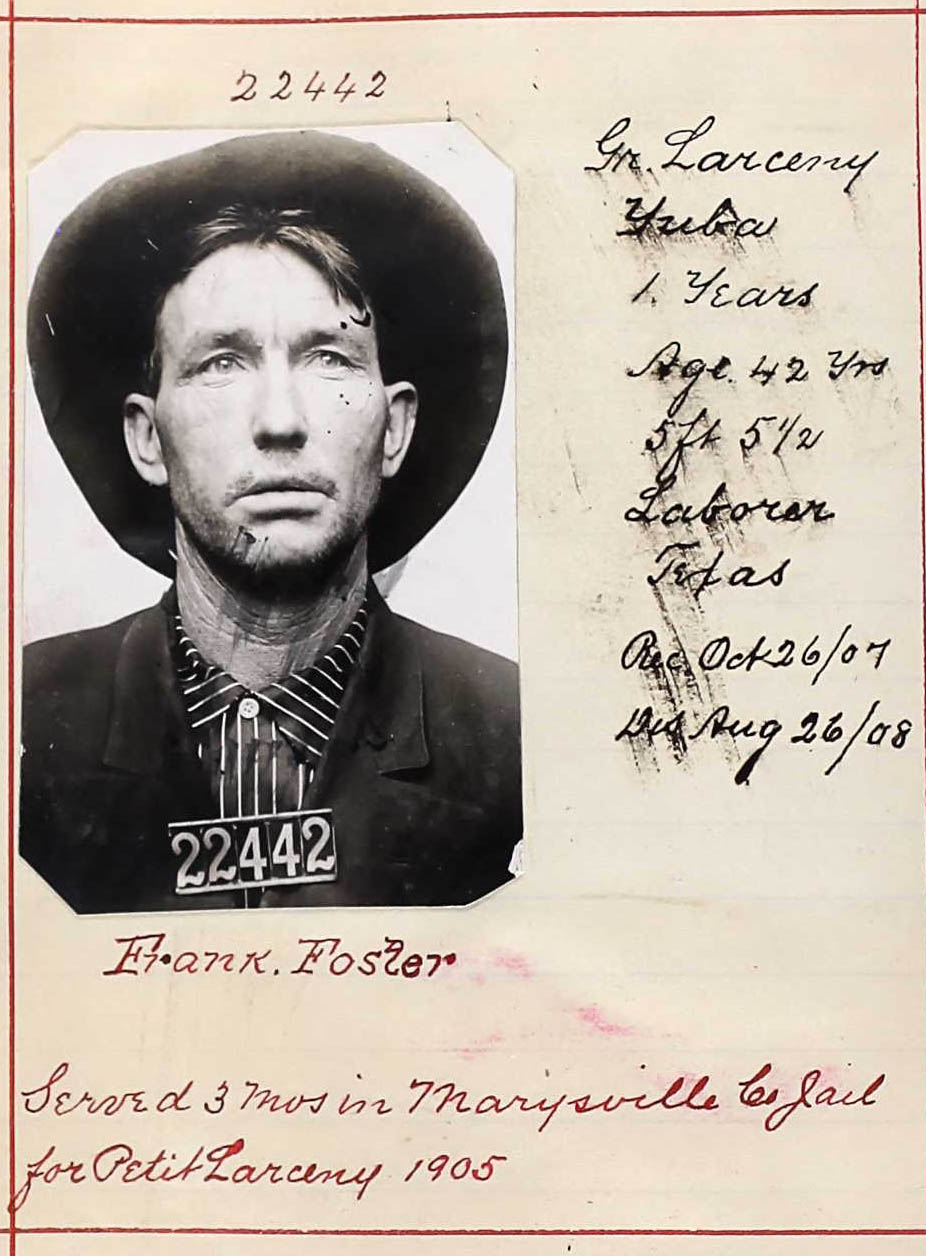
Prisoners: Murder, Mayhem, and Petit Larceny is a collection of seventy portraits of turn-of-the-century prisoners in the town of Marysville, California and the fascinating contemporary newspaper and prison accounts describing the crimes of which they were accused. The photos themselves are more fascinating than most of the crimes. There’s something magical about glass plate negatives that you just can’t reproduce with modern photography.  And I think people just had more character back in the day – or at least it seems that way.

Frank Foster

IN THE POLICE COURT
Frank Foster, who was arrested by Officer Smith for stealing a can of milk, is still in durance vile. [“In durance vile” = an old way of saying “in jail”.  And, also, the title of my next album. – DeSpair] The officers have been unable to locate the owner of the milk which this baby got away with. [September 26, 1907]

FOSTER’S HEARING IS SET FOR TONIGHT
Frank Foster has been formally charged with petty larceny for stealing a can of milk from W.A. Wedderein. Foster was trying to peddle the milk when he was arrested by the officers.

Foster appeared in the police court yesterday morning and his preliminary examination has been set for 7 o’clock this evening. There is a prior conviction against him, he having been convicted of stealing a rain coat from the street car barn nearly two years ago.

The prior conviction will be used against him in the present case. [September 26, 1907]

FRANK FOSTER GOES TO SAN QUENTIN FOR YEAR

Frank Foster, the young man who stole a can of milk and a pair of gloves from a dairy wagon, and who pleaded guilty Wednesday to the charge against him, stood up before Judge McDaniel yesterday in the Superior court and was sentenced to serve a term of one year in San Quentin.

Foster admitted to having on a previous occasion stolen a coat and it was on the strength of this prior charge that the sentence was made for a year. [October 25, 1907]

SAN QUENTIN PRISON RECORD

DATE: October 26, 1907
COMMITMENT NO.: 22442
NAME: Foster, Frank
CRIME: Grand Larceny
COUNTY: Yuba
TERM: 1 Year
NATIVITY: Texas
AGE: 42
OCCUPATION: Laborer
HEIGHT: 5’5 1/2″
COMPLEXION: Medium
EYES: Dark Blue
HAIR: Dark Brown
WEIGHT: 135 1/4
FOOT: 5 1/2
HAT: 6 3/4
DISCHARGE DATE: August 28, 1908

Irregular scar left cheekbone, perp. scar right side of forehead. Three scars back left hand. Left little finger amputated at third join. Several scars in scalp. Back of neck and shoulders freckled.

Served three months for P.L. at Marysville 1906

I was able to dig up the San Quentin photos of Frank on Ancestry.  Love the new ‘do!

MFDJ 08/12/23: An Excruciating Death by Radium

The Radium Girls were female factory workers who contracted radiation poisoning from painting radium dials – watch dials and hands with self-luminous paint. The incidents occurred at three factories in United States: one in Orange, New Jersey, beginning around 1917; one in Ottawa, Illinois, beginning in the early 1920s; and one in Waterbury, Connecticut, also in the 1920s.

After being told that the paint was harmless, the women in each facility ingested deadly amounts of radium after being instructed to “point” their brushes on their lips in order to give them a fine tip;  some also painted their fingernails, faces, and teeth with the glowing substance. The women were instructed to point their brushes in this way because using rags or a water rinse caused them to use more time and material, as the paint was made from powdered radium, zinc sulfide (a phosphor), gum arabic, and water.

Five of the women in New Jersey challenged their employer in a case over the right of individual workers who contract occupational diseases to sue their employers under New Jersey’s occupational injuries law, which at the time had a two-year statute of limitations, but settled out of court in 1928. Five women in Illinois who were employees of the Radium Dial Company (which was unaffiliated with the United States Radium Corporation) sued their employer under Illinois law, winning damages in 1938.

Here is the sad story of one of the Radium Girls.

Today’s Excruciating Yet Truly Morbid Fact!

Hazel Vincent was still being treated for pyorrhea and still having teeth extracted; they were like old friends dying off, one by one, until her own mouth felt like a stranger. By now, she could no longer work, as the pain was unbearable.

For her friends and family, it was intolerable to watch. For her boyfriend Theo in particular, who had loved her since they were teenagers, he felt like he was feeling his future disintegrate in his arms. He begged her to let him pay for the doctors and the dentist that she went to, but she was unwilling to accept money from him.

He wasn’t going to stand for that. This was the woman he loved. If she wouldn’t accept help from him as her boyfriend—would she accept it if she was his wife?  And so, even though Hazel was very ill, he married her, because he believed that if she was his wife he would be more able to take care of her. They stood before the altar together, and he promised to love her, in sickness and in health.

As January, 1924 drew to a close, Theo and Hazel Kuser decided that they would look elsewhere for treatment. New Jersey was just a short distance from New York City, where some of the best doctors and dentists in the world had their practices. On January 25, Hazel, bravely swallowing down her pain, made the journey into the Big Apple for treatment at the office of Dr. Theodore Blum.

Blum was one of America’s first oral surgeon, a prestigious specialist who had pioneered the use of x-rays for dental diagnosis. He fees were extortionate, but Theo insisted they visit him anyway. He could borrow money on their furniture to pay the bills, he reasoned. If it eased Hazel’s pain, if Dr. Blum could stop this endless decay in her mouth, then it would all be worth it.


Dr. Blum, at your service

Blum was a balding man with a neatly trimmed mustache, spectacles, and a high forehead. As he introduced himself to Hazel and began his examination, he quickly realized that he had never seen a condition like hers before. Her face was swollen with “pus bags,” but it was the condition of her jawbone that was most perplexing. It seemed almost “moth-eaten.” It literally had holes in it.

But what, Dr. Blum now pondered, could have caused it?

Blum was worth his money. Later, he would try to find out the exact chemicals in the luminous paint, although to no avail. For now, he took a medical and employment history from Hazel and made a provisional diagnosis: she was suffering from “poisoning by a radioactive substance.” He admitted her to the Flower Hospital in New York to operate on her jaw. It would be the first, but not the last, of such procedures Hazel had to endure.

Yet although Blum had offered a diagnosis, and swift and specialist treatment, he didn’t offer the one thing that Theo had been yearning for: hope. That was all he really wanted, to know that there was light at the end of the tunnel; that they could get through this and come out the other side into a shining day, and another one, and another day after that.

Instead, Blum told him “there is little chance of recovery.” All the money in the world couldn’t save his wife now.

Hazel continued to deteriorate rapidly despite many operations, two blood transfusions, and multiple hospital stays. Hazel became unrecognizable; this mysterious  new condition, in some patients, led to grotesque facial swellings, literal footballs of fluid spouting from their jaws, and it seems Hazel may have been afflicted in this way.


An unidentified Radium Girl with a jaw sarcoma

On Thanksgiving, November 27, Hazel Kuser was released from the New York hospital and allowed to return to Newark to be with Theo and her mother Grace. As the family gathered together, they tried to feel the blessing of the fact that at least she was home.

But she wasn’t the same person anymore. She had “suffered so frightfully that her mind seemed affected.” Her priest, Karl Quimbly, who was attending the family to offer spiritual comfort, said, “She suffered excruciating agony.”

It was perhaps, then—when they tried to think of Hazel and put her first—the biggest blessing of all when, on Tuesday, December 9, 1924, she finally passed away. She died at 3:00 a.m., at home, with her husband and mother by her side. She was twenty-five. By the time she died, her body was in such a distressing condition that the family would not allow her friends to see it at the funeral.

Culled from: Culled from: Radium Girls


Civil War Casualty Du Jour!

Under a devastating barrage from Federal artillery, Confederate Major General Daniel Harvey Hill was forced to retreat from an assault on Malvern Hill, but he was generous enough to praise the simultaneous —and utterly doomed—advance of the troops commanded by his colleague Major General John B. Magruder:

I never saw anything more grandly heroic than the advance after sunset of the nine brigades under Magruder’s orders. Unfortunately, they did not move together, and were beaten in detail. As each brigade emerged from the woods, from fifty to one hundred guns opened upon it, tearing great gaps in its ranks; but the heroes reeled on—and were shot down by the [infantry supports] at the guns, which a few squads reached… It was not war—it was murder.

Among the Seven Days’ legion of victims was Private Edwin Francis Jamieson, 2nd Louisiana Regiment, whose haunting gaze is one of the most moving images of the Civil War.

Culled from: Portraits of the Civil War