Monthly Archives: August 2023

MFDJ 08/11/23: Superheated Air at the Cocoanut Grove

Today’s Superheated Yet Truly Morbid Fact!

The Cocoanut Grove was a popular Boston night club in the 1940’s. On the evening of November 28, 1942 the club was packed with servicemen on holiday leave with their wives or girlfriends and out-of-town visitors who had been at a big college football game. At about 10 pm, a waiter accidentally caught a decorative palm tree on fire when he was using a match for light to change a burnt out light bulb. The fire quickly spread throughout the club. In the confusion and panic, the patrons tried to use the rotating doors at the front of the club for their escape route, ignoring the fact that there were several other, well-hidden, exits in the club. This resulted in the deaths of 474 people.

The following is an excerpt from the fascinating book Fire in the Grove: The Cocoanut Grove Tragedy and Its Aftermath:

It was superheated smoke—perhaps reaching 1,800 degrees Fahrenheit—and carbon monoxide gas, not flame, that took the heaviest toll in the Melody Lounge. Ruth Strogoff was struck by the way “people were screaming but they seemed to be falling down without even trying to run or push.” One of those who dropped where she had been standing next to the bar was Radcliffe student Sydney E. McKenna. Her face was badly burned, but she hadn’t been touched by flame. She was taken to Massachusetts General Hospital, where she died three days later. An autopsy would confirm that she had died of pulmonary burns resulting from the inhalation of superheated smoke, which had also burned her face. Others died with no apparent burns from either the flames or the smoke, as Ruth Strogoff had observed.

About forty minutes later, fireman John Collins entered the Melody Lounge and saw the whole picture—lifeless men and women, many apparently unburned, seated at tables or lying where they had been standing. He recalled one victim in particular. “There was a very pretty girl. She was sitting with her eyes open and her hand on a cocktail glass, as if waiting for someone. As I first looked at her, I wondered why she was just sitting there, thinking she was okay. But, of course, she was dead.”


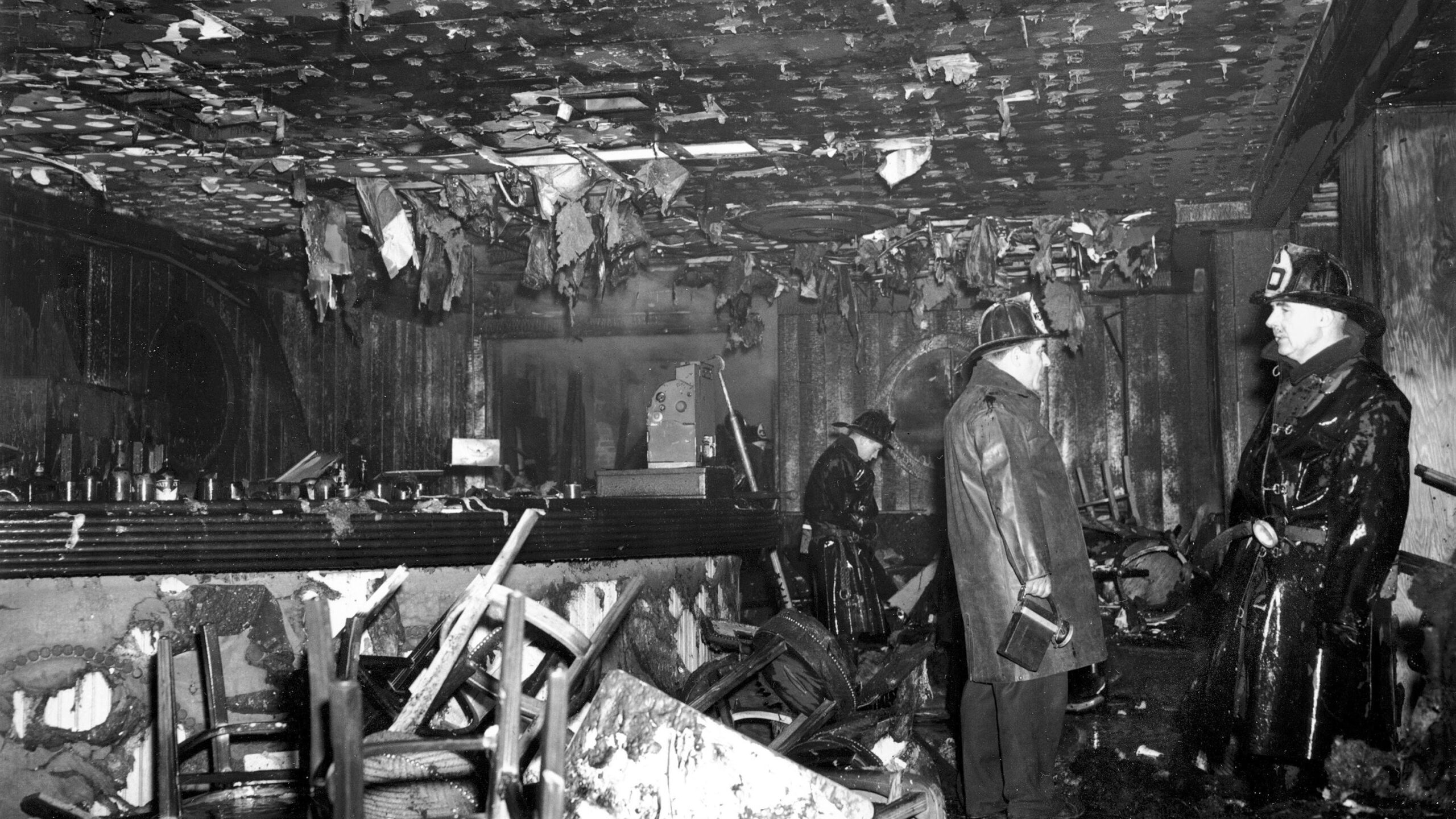
Inside the Cocoanut Grove after the fire

Culled from: Fire in the Grove: The Cocoanut Grove Tragedy and Its Aftermath


Crime Scene Du Jour!


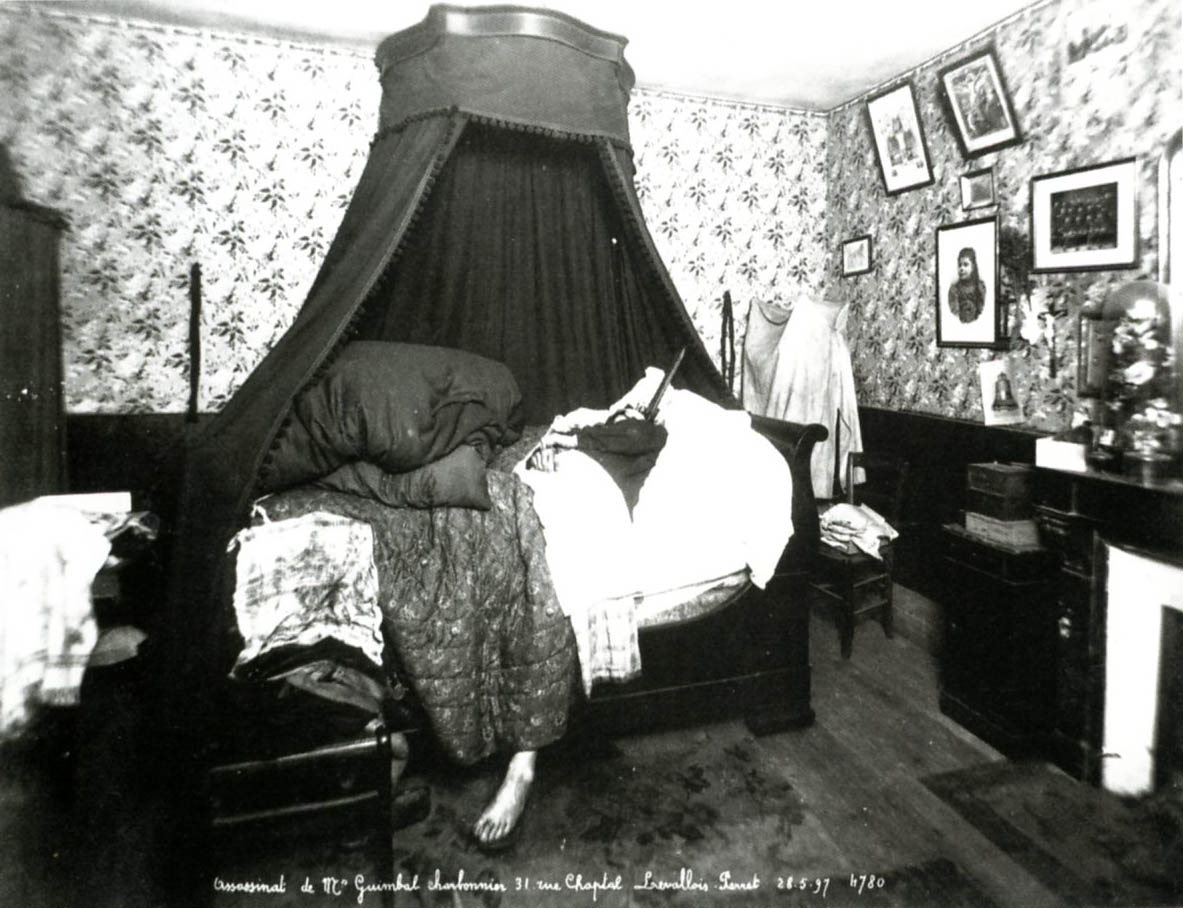
Murder of Mr. Grimbal, charcoal burner, 31 rue Chaptal, Levallois-Perret, 28.5.97 (1897).  Culled from the historic archives of the police department, Paris.

Culled from: Police Pictures: The Photograph as Evidence

MFDJ 08/10/23: Radiation’s First Victim

Today’s Irradiated Yet Truly Morbid Fact!

Thomas Alva Edison’s sprawling complex of laboratories and factories in West Orange, New Jersey, was a place of wonderment in the late 19th century. Its machinery could produce anything from a locomotive engine to a lady’s wristwatch, and when the machines weren’t running, Edison’s “muckers” —the researchers, chemists and technologically curious who came from as far away as Europe—might watch a dance performed by Native Americans from Buffalo Bill’s Wild West show in the inventor’s Black Maria movie studio or hear classical musicians recording on Edison’s wax cylinder phonographs.

The muckers happily toiled through 90-hour work weeks, drawn by the allure of the future. But they also faced the perils of the unknown—exposure to chemicals, acids, electricity and light. No one knew this better than Edison mucker Clarence Madison Dally, who unwittingly gave his life to help develop one of the most important innovations in medical diagnostic history. When it became apparent what Dally had done to himself in the name of research, Edison walked away from the invention. “Don’t talk to me about X-rays,” he said. “I am afraid of them.”

Born in 1865, Dally grew up in Woodbridge, New Jersey, in a family of glassblowers employed by the Edison Lamp Works in nearby Harrison. At 17 he enlisted in the Navy, and after serving six years he returned home and worked beside his father and three brothers. At age 24, he was transferred to the West Orange laboratory, where he would assist in Edison’s experiments on incandescent lamps.
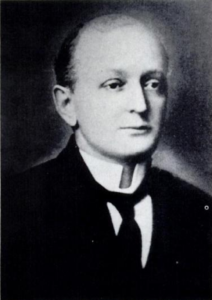

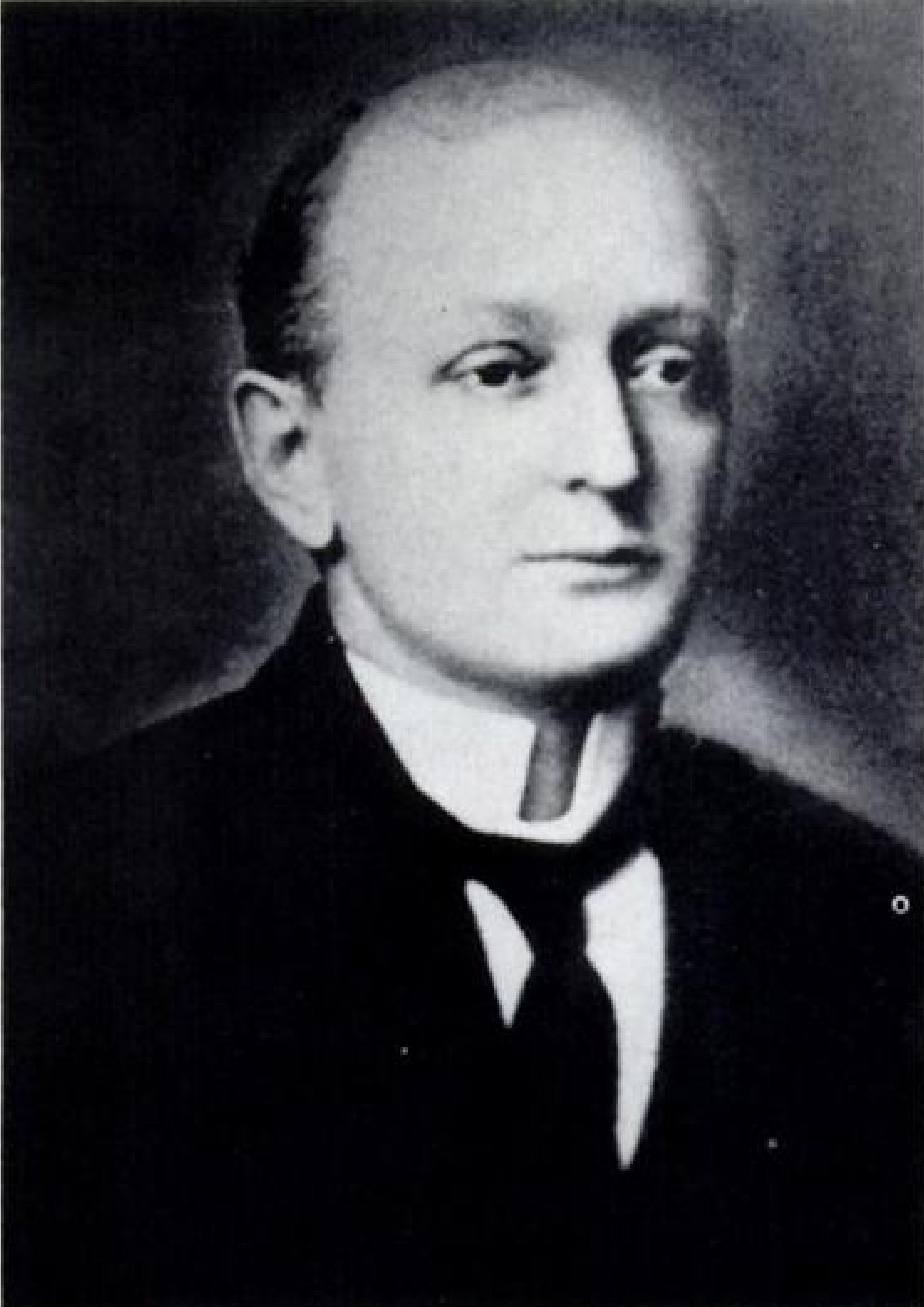
Clarence Madison Dally

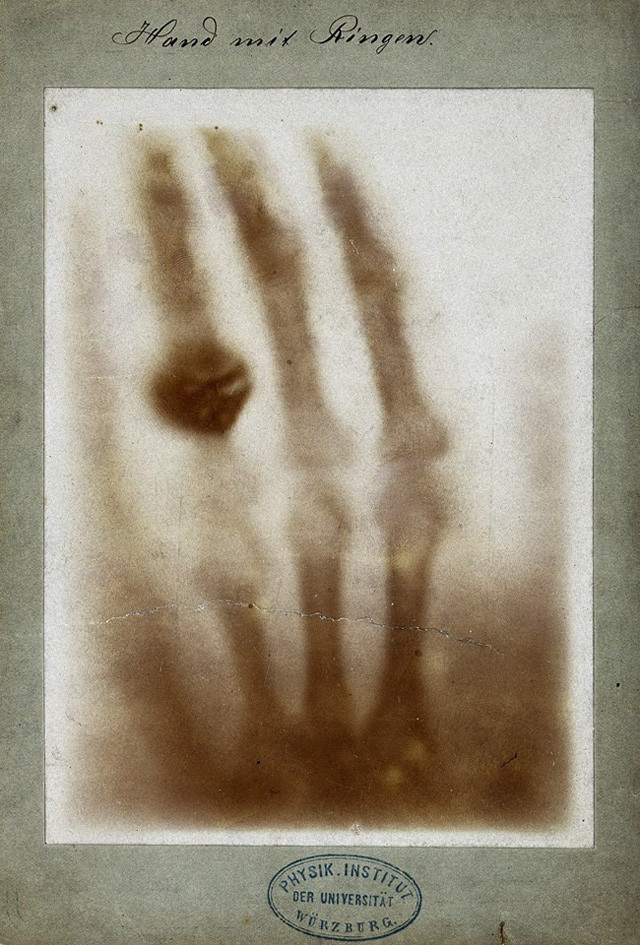
In 1895, the German physicist Wilhelm Roentgen was experimenting with gas-filled vacuum tubes and electricity; that November he observed a green fluorescent light coming from a tube that had been wrapped in heavy black paper. He’d stumbled, quite accidentally, onto an unknown type of radiation, which he named an “X-ray.” A week later, Roentgen made an X-ray image of his wife’s hand, revealing finger bones and a bulbous wedding ring. The image was quickly circulated around the world to a dazzled audience.
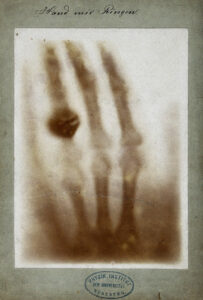

The first X-ray image, of which Roentgen’s wife Anna said, “I have seen my death”. 

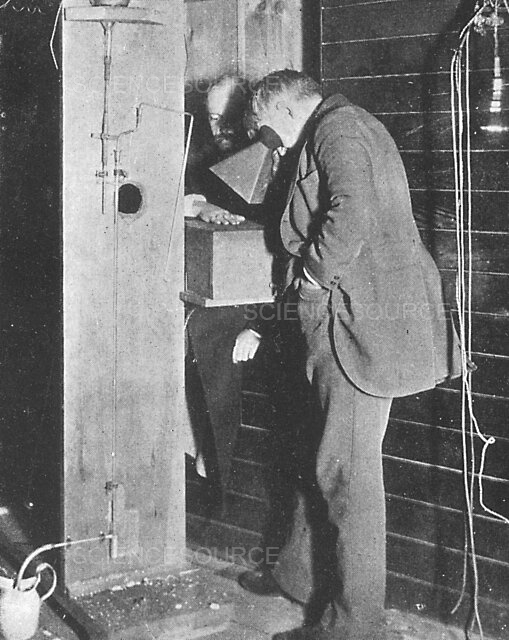
Edison received news of the discovery and immediately set out to experiment with his own fluorescent lamps. He’d been known for his background in incandescent lamps, where electricity flowed through filaments, causing them to heat and glow, but Edison had a newfound fascination with the chemical reactions and gasses in Roentgen’s fluorescent tubes and the X-rays he had discovered. Equally fascinated, Clarence Dally took to the work enthusiastically, performing countless tests, holding his hand between the fluoroscope (a cardboard viewing tube coated with fluorescent metal salt) and the X-ray tubes, and unwittingly exposing himself to poisonous radiation for hours on end.

In May 1896, Edison, along with Dally, went to the National Electric Light Association exhibition in New York City to demonstrate his fluoroscope. Hundreds lined up for the opportunity to stand before a fluorescent screen, then peer into the scope to see their own bones. The potential medical benefits were immediately apparent to anyone who saw the display.
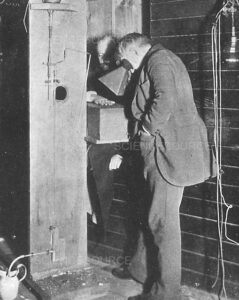

Thomas Edison peers at Clarence Dally’s hand through his fluoroscope

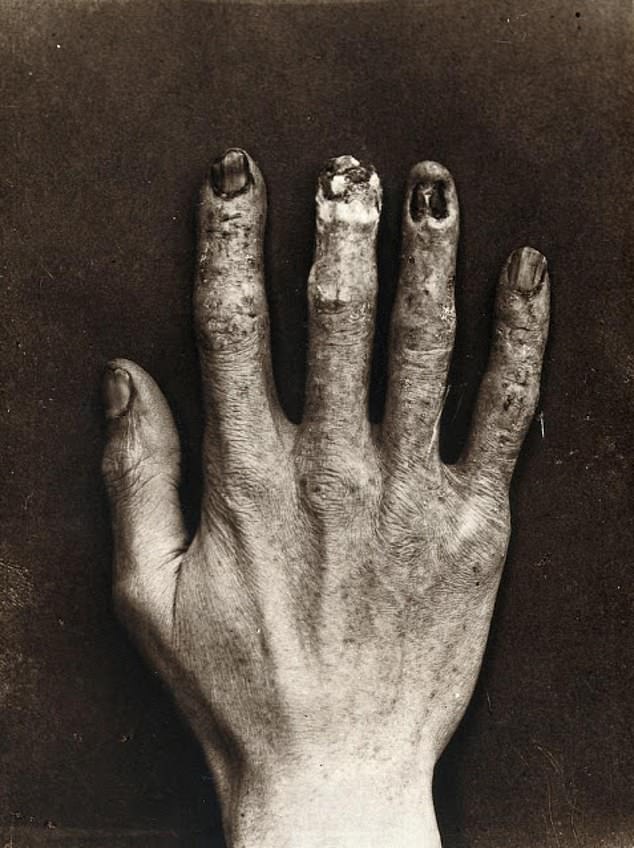
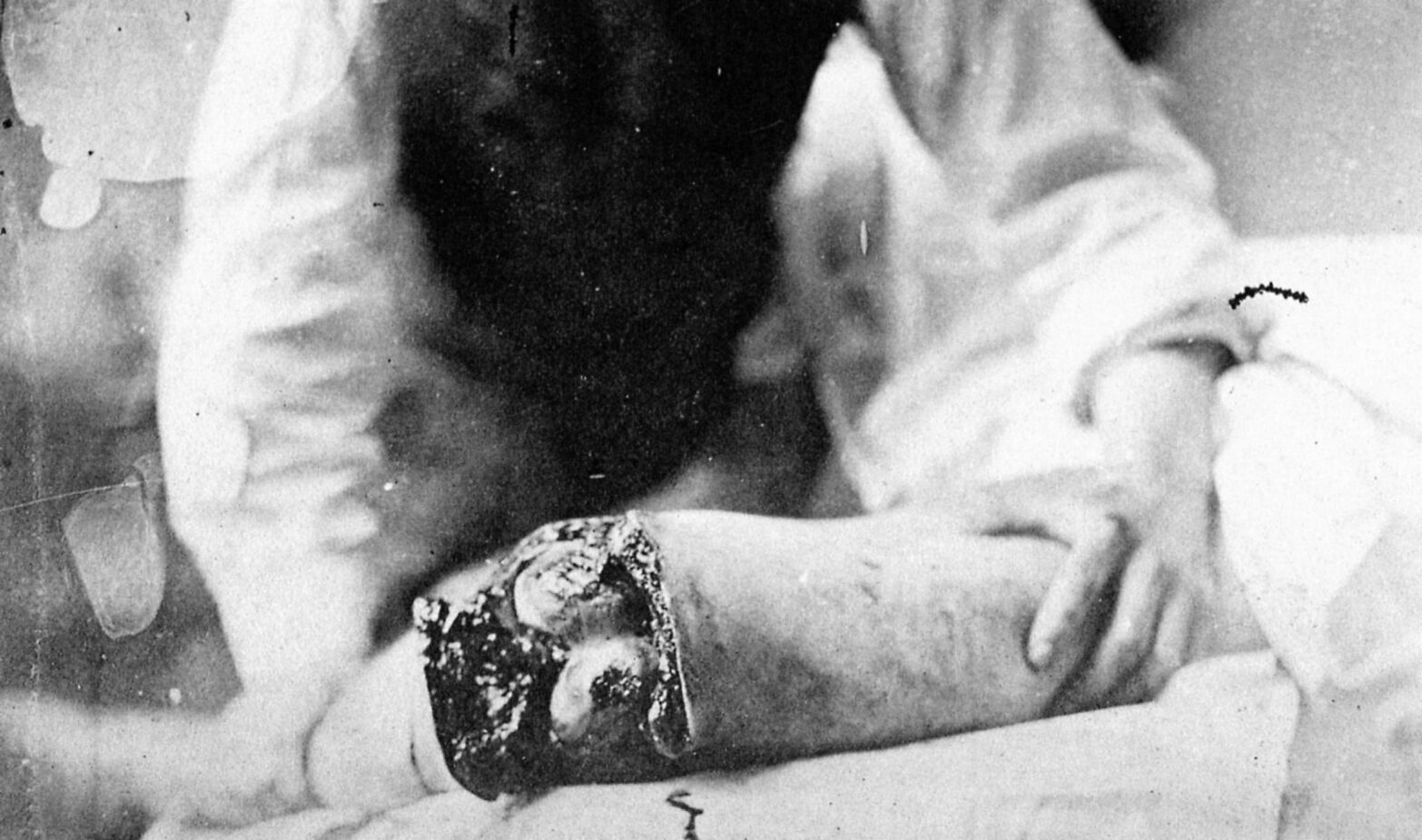
Dally returned to Edison’s X-ray room in West Orange and continued to test, refine and experiment over the next few years. By 1900, he began to show lesions and degenerative skin conditions on his hands and face. His hair began to fall out, then his eyebrows and eyelashes, too. Soon his face was heavily wrinkled, and his left hand was especially swollen and painful. Like a faithful mucker committed to science, Dally found what he thought was the solution to prevent further damage to his left hand: He began using his right hand instead. The result might have been predictable. At night, he slept with both hands in water to alleviate the burning. Like many researchers at the time, Dally assumed he’d heal with rest and time away from the tubes.

In September 1901, Dally was asked to travel to Buffalo, New York, on a matter of national importance. One of Edison’s X-ray machines, which was on display there at the Pan-American Exposition, might be needed. President William McKinley had been about to give a speech at the exposition when an anarchist named Leon Czolgosz darted toward him, a pistol concealed in a handkerchief, and fired twice, hitting McKinley in the abdomen.

Dally and a colleague arrived in Buffalo and quickly set about installing the X-ray machine in the Millburn House, where McKinley had been staying, while the president underwent surgery at the Exposition hospital. One of the bullets had merely grazed McKinley and was discovered in his clothing, but the other had lodged in his abdomen. Surgeons couldn’t locate it, but McKinley’s doctors deemed the president’s condition too unstable for him to be X-rayed. Dally waited for McKinley to improve so that he might guide the surgeons to the hidden bullet, but that day never came: McKinley died a week after he had been shot. Dally returned to New Jersey.

By the following year, the pain in Dally’s hands was becoming intolerable, and they looked, some people said, as if they’d been scalded. Dally had skin grafted from his leg to his left hand several times, but the lesions remained. When evidence of carcinoma appeared on his left arm, Dally agreed to have it amputated just below his shoulder.

Seven months later, his right hand began to develop similar problems; surgeons removed four fingers. When Dally—who had a wife and two sons—couldn’t work anymore, Edison kept him on the payroll and promised to take care of him for as long as he lived. Edison put an end to his experiments with Roentgen’s rays. “I stopped experimenting with them two years ago, when I came near to losing my eyesight, and Dally, my assistant, practically lost the use of both of his arms,” Edison would tell a reporter from the New York World. “I am afraid of radium and polonium too, and I don’t want to monkey with them.”
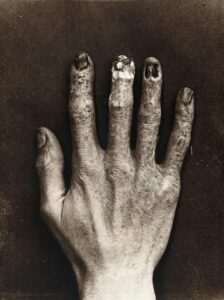

Dally’s Red Right Hand

When an oculist informed him that his “eye was something over a foot out of focus,” Edison said, he told Dally “that there was a danger in the continuous use of the tubes.” He added, “The only thing that saved my eyesight was that I used a very weak tube, while Dally insisted in using the most powerful one he could find.”

Dally’s condition continued to deteriorate, and in 1903, doctors removed his right arm. By 1904, his 39-year-old body was ravaged by metastatic skin cancer, and Dally died after eight years of experimenting with radiation. But his tragic example eventually led to a greater understanding of radiology.

Edison, for his part, was happy to leave those developments to others. “I did not want to know anything more about X-rays,” he said at the time. “In the hands of experienced operators they are a valuable adjunct to surgery, locating as they do objects concealed from view, and making, for instance, the operation for appendicitis almost sure. But they are dangerous, deadly, in the hands of inexperienced, or even in the hands of a man who is using them continuously for experiment.” Referring to himself and to Dally, he said, “There are two pretty good object-lessons of this fact to be found in the Oranges.”

Culled from: Smithsonian Magazine


Crime Scene Du Jour!
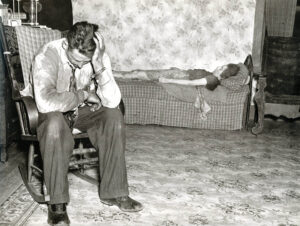

GRIM ROOM
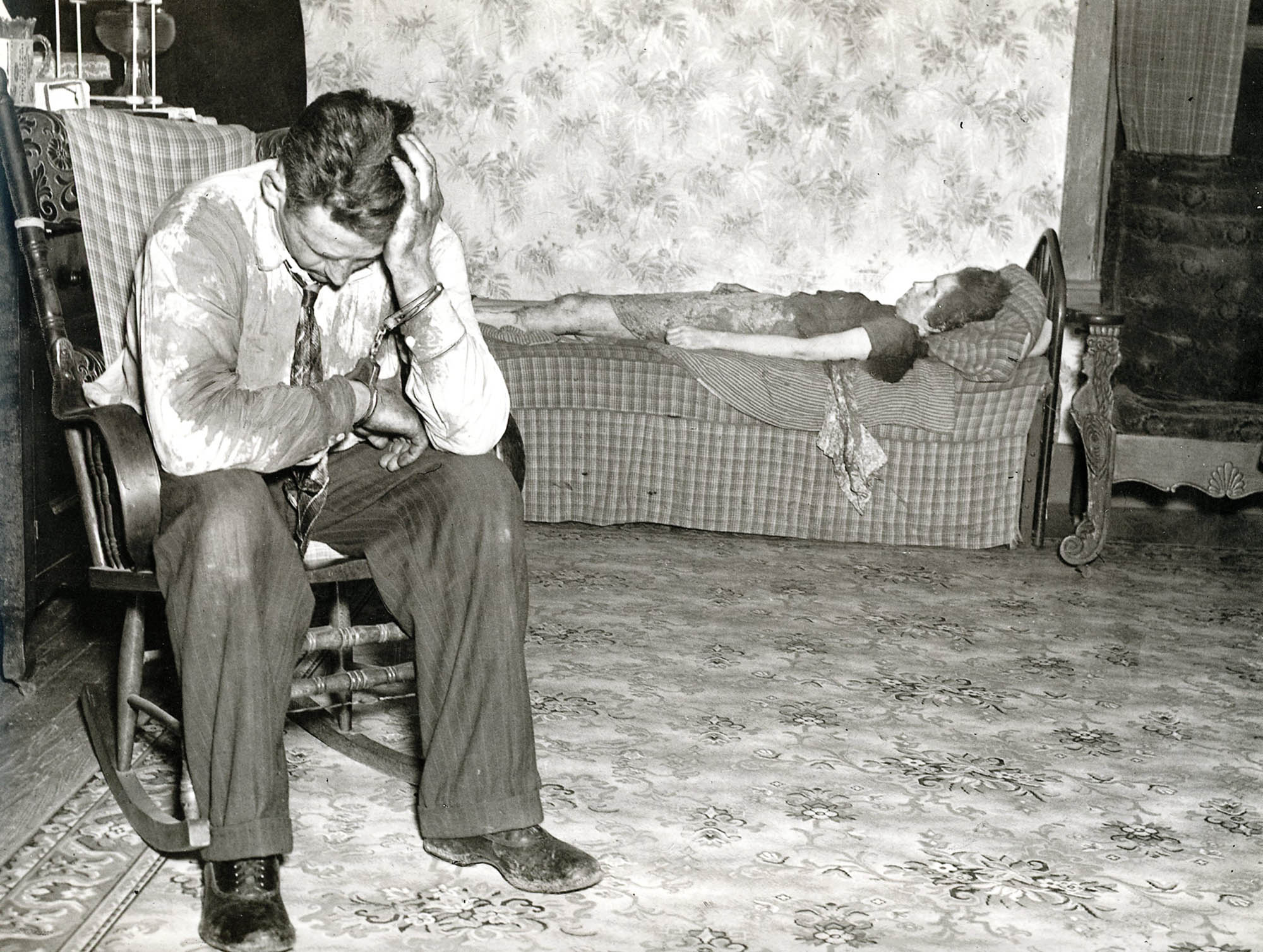
April 22, 1943
Photographer: Robert S. Wyer

In the depths of remorse, manacled LeRoy Luscomb, 32, sits in a room with his dead wife… at Delhi, N.R. Police say Luscomb killed her with a deer rifle after she left him and their three children because of his interest in another woman. Luscomb is charged with first degree murder.

Culled from: New York Noir: Crime Photos from the Daily News Archive

The full lurid details of this case can be found in the People vs. Luscomb Grand Jury Report:

The defendant and his wife had been married thirteen years and lived in Downsville, N.Y. They had had four children, one of whom, Janet, had died. The living children were aged respectively twelve, nine and six. Both husband and wife worked and neglected their children. The defendant had been intimate with one Onufer aged twenty-one, who apparently was the mother of a child by him. On April 17, 1943, while the defendant and the Onufer girl were at a dance hall and hotel at Long Flats, N.Y., the deceased wife entered and approached them. Words passed between the two women and the deceased left the hotel. Later the defendant and the Onufer girl left.

When the defendant arrived home on Sunday, April 18th, he found that his wife had departed taking the youngest child with her. She had returned to the home of her father one Reuben Eck, at Corbett in the town of Colchester.

To Eck’s home the defendant sent a letter by his oldest son on Monday, asking the deceased to return saying that he would be “true to you from this day on.” The deceased had previously left the defendant on two prior occasions because of his excessive indulgence in liquor. After the delivery of the letter the deceased did not return. On Tuesday morning defendant left  a second letter on the kitchen table of his home asking the deceased to return to him. Deceased, however, failed to return.

On Wednesday, April 21st, the defendant did not work but went fishing with his oldest son. They returned home about two o’clock in the afternoon and the defendant went to the village of Downsville, where he had some beer. At about six o’clock he came home and had his evening meal with his children. He obtained his Winchester rifle, loaded it and drove with the children to a restaurant where he had a bottle of beer and the children had soft drinks. He then drove to Corbett to the home of Reuben Eck. He entered through the woodshed door. The deceased was seated in the kitchen.

Ida Eck, the mother of deceased, said that at about a quarter after seven in the evening one of her grandsons came in and asked her daughter to go outside to see the defendant; that when her daughter refused, she heard her grandson say, “Ma, you better go because he’s got a gun and he’s going to shoot you”; that then she heard the defendant enter the kitchen and say to her daughter in a loud voice “Ella, I want you to get your clothes and things and Dixie [the six year old child] and go home. Do you hear?”; that she then heard a scuffle in the kitchen but could not hear any conversation; that when her husband went into the kitchen she followed him as far as the doorway and stood there; that the defendant had a rifle which he held with both hands; that defendant said to her husband, “None of your funny business here. Don’t come a step further”; that the rifle was pointed at her husband; that he swung the gun around “onto me” and said, “or you, either * * * damn you, I think you are a lot to fault of this”; that he pointed the gun at her for a minute and when he swung it around she left the room; that she then heard the defendant say “I’ll clean up the whole damn bunch of you”; that she then went upstairs and when she reached the top of the stairs she heard a shot.

Reuben Eck testified that when he entered the kitchen he saw the defendant “with his wife with her back up against the kitchen table, and he had hold of her clothing like that and was a shaking her”; that when the defendant saw him “he let go of her and grabbed up the rifle, and he said to me, `None of your damn funny business, * * * don’t come a step farther'”;  that the defendant, holding the gun in both hands, pointed the rifle right at him; that at that time Mrs. Eck stepped in the door and defendant turned the rifle in her direction and said, “G____ d____ you, I think you are a whole lot to fault of this”; that defendant then laid the gun back on the table and took off his jacket and laid it on the table, and said, “I’ll clean up the whole damn bunch of you”; that he told the defendant that no one was at fault and defendant replied, “Rube, I don’t think you are to fault. I have always liked you” and that they shook hands; that then the defendant picked up the rifle and swung around to the deceased and said, “Now, Ella, G____ d____ you, you are going home with me, or I’m going to kill you right here”; that decedent refused to go home with defendant and after a couple of seconds the gun was discharged; that at that time deceased was about three feet from the defendant and he (Eck) was about four feet from him; that deceased did not turn the defendant around; and that the witness never attempted to seize the rifle; that during the entire time he remained in one spot, that being the spot he reached when defendant told him not to come one step nearer. Eck was asked “Do you wish this jury to understand that you, the father of this girl, stood and took all that.” His reply was, “What could I do?”

It was the defense of defendant that in the kitchen he asked his wife to go home with him and the children and that she refused; that he asked her more than once why she would not return but that the only answer he obtained was “because I won’t”; that he then said to her “You will go home”; that at about that time her father and mother came from the sitting room and walked up to a point opposite the reservoir on the stove and stopped; that he told them he wanted his wife to go home with him and for them “to keep their nose out of my business”; that Mrs. Eck turned and went back into the living room; that Mr. Eck mumbled something and that the defendant turned back to the table in the room, took his coat off and, laying the rifle upon the table, stepped back in front of Eck; that the defendant took his jacket off “because Eck was mad”. Continuing the defendant said: “So I stood there facing him. He stood by the reservoir and he did not say another word so I picked the gun up and turned around and stepped up in front of him, about two feet from him and I told him that I did  not think that he had anything to do with my wife not coming home with me but that her mother did, I thought. At that time my wife come up behind me and grabbed me and swung me around and at that time he grabbed me by the arm and my gun went off and shot my wife and she fell to the floor toward the kitchen cabinet and I told him to get a doctor quick.”

The autopsy showed that the bullet which caused death “entered the front of the neck” and passed through a major blood vessel, the windpipe, the spinal column, spinal cord, and “came out at the back of the neck.” The coroner testified that the muzzle of the rifle had been at least two or three feet from the body and that there were very slight marks “probably powder burns — not very marked”.

Leroy Luscomb was found guilty and sentenced to life in prison.  He served 16 years before being pardoned and died in 1992 at the age of 81.

MFDJ 08/09/23: New London Devastation

Today’s Screaming Yet Truly Morbid Fact!

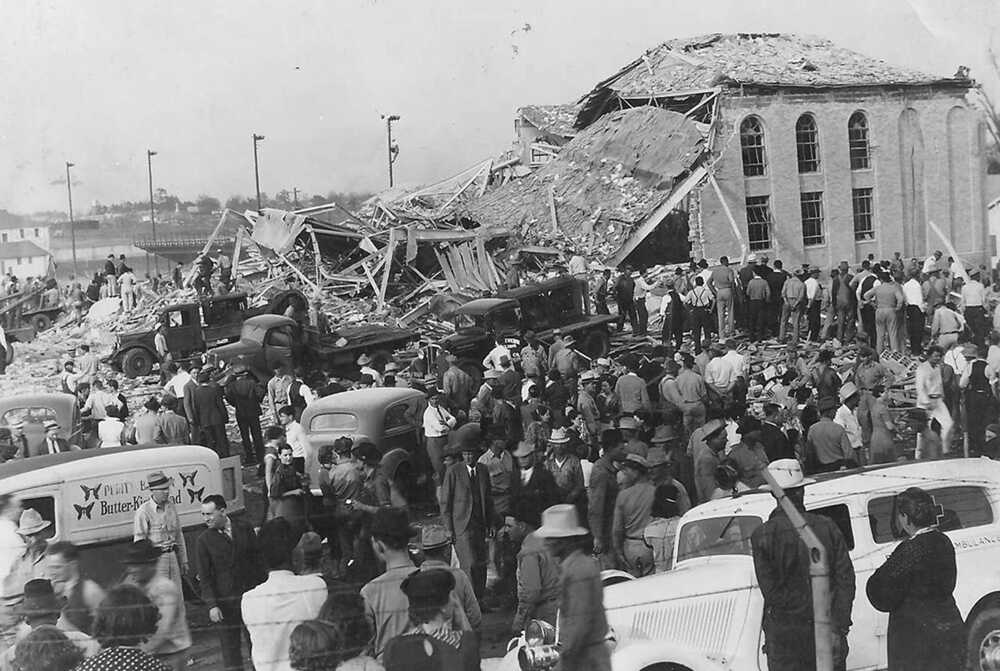
The New London School explosion occurred on March 18, 1937, when a natural gas leak caused an explosion and destroyed the London School in New London, Texas, United States. The disaster killed more than 300 students and teachers. As of 2021, the event is the third-deadliest disaster in the history of Texas, after the 1900 Galveston hurricane and the 1947 Texas City disaster.  The following is an account of the aftermath of the disaster.

The dust cloud began to clear above Clarence Slater.  Still pinned beneath the ruins of his first-floor English classroom, he looked up and was stricken with fear. Clarence was staring into the sky. He lay still, trying to calm his pounding heart. Somebody screamed, “Fire!” Adrenaline clambered into his blood stream, commanding heart, lungs, and muscle fibers to twitch and surge. Clarence tore himself free and scampered away. Small, disjointed crowds, remnants of classes bumped into one another, catching hands and stumbling through a haze of plaster powder. Joe King ran with them toward the only light they could see. They made their way out of the wrecked building even as parts of it continued to fall. Joe Watson, his mouth thick with brick dust, joined a group that climbed out onto the roof. Here, the air sang with screams, some crisp from the lawn below, others muffled and weak. The children found a stairwell that was wobbly but still standing.

Outside was a new horror.

The New London explosion aftermath

King looked up and saw “the body of our neighbor’s little girl… hanging up in the wires next to the telephone pole,” he recalled. “I recognized her by the coat she was wearing.”

“There were heaps of dead bodies lying all around. It was awful. You couldn’t look anywhere without seeing a pile of dead boys and girls,” Joe Watson said. Though badly bruised, Watson would not leave. He began pulling bricks from the pile, digging into the wreckage towards the cries still ringing in his ears.

“Everybody was saying, ‘What happened?  What happened?’” King said. “You could hear people hollering and crying.”

Just then, Della Westbrook arrived, panting at the chaotic scene. She had walked across campus to a lunch stand just before the explosion. “I started running across the grounds to where children were dying,” said Westbrook, the high school’s librarian. “Many already were dead. The screams and cries were horrible.”

Louise Taylor watched the last school bus shut its doors and drive off. She turned and rushed toward the ruined building. She saw the crowd from the gymnasium reach the rubble, “screaming, frantic mothers clawing with bare bleeding hands” at the wreckage.

The explosion spent itself, the debris settled, and the enormity of the tragedy began to mark its witnesses. A town had lost its future.

Culled from: Gone at 3:17


Civil War Injury Du Jour!


Photograph No. 280.  Successful excision of the elbow-joint for gunshot injury.

J.T. Hertzog, a private of Company K, 4th Pennsylvania Volunteers, a German of remarkably temperate habits, having never used stimulants, tobacco, tea nor coffee, and of excellent constitution, was wounded at the Battle of Pocotaligo, October 22, 1862, by a ball which entered the right elbow joint at the outer and emerged just above the inner condyle of the humerus at the opposite side.  He was admitted to Hospital #1 Beaufort, South Carolina, on October 24th. Two days subsequently the lower end of the humerus with the articulating ends of the ulna and radius were excised by Surgeon R.B. Bontecou, U.S.V., and the arm laid upon an angular splint of two parallel strips leaving an open space the whole extent, thus faciliitating approach to the wound of exit. Morphine was applied to the wound, it was covered with cerate cloth and bags of ice were directed to be kept applied. By November 1, suppuration was considerable but the tumefaction of the arm and forearm was much diminished. The lead wire sutures were removed on November 15, the wound having healed sufficiently to keep the parts in shape. On December 1st, the wound had nearly closed, there being but a slight discharge; the general condition of the patient was good and he sat up to take his food. Some days previous to December 15th, the patient had been walking about the hospital grounds, the wound was nearly healed and the elbow joint presented free mobility in every direction. On December 28, he was transferred north, the wound being healed. The excised portions of bone with the history were presented to the museum by the operator, and are No. 2023 of the surgical section. The man was discharged from the service February 24, 1863, and pensioned. On March 18, 1863, pension examiner Lewellyn Beaver reported “an open running sore.” In June, 1864, Dr. Bontecou writes that he saw his patient at Fort Wood, New York Harbor, in July, 1863, and that he had good motion of the elbow. Another report from pension examiner Beaver dated September 11, 1866, states that this man had completely lost the use of his arm. There was four inches shortening. He rated his disability total.

Culled from: Orthopaedic Injuries of the Civil War

MFDJ 08/08/23: Uppity Women

Today’s Uppity Yet Truly Morbid Fact!

Almost everywhere in olden times more women than men were accused of witchcraft and killed. The figures show that in fact women were overwhelmingly victimized: on average, 80 percent of those accused and 85 percent of those killed were female.

Reginald Scot, an English skeptic regarding witchcraft, furnished some further clues as to just which women would be singled out for accusation:  “They are doting, scolds, mad, divelish; … so firme and steadfast in their opinions, as whosoever shall onelie have respect tot the constancie of their words uttered, would easilie beleeve they were true indeed.” In other words, uppity women—women given to speaking out, to a bold tongue and independent spirit, women who had what Scottish people called “smeddum”: spirit, quarrelsomeness, a refusal to be put down. They talked back to their neighbors, their ministers, even to their judges and executioners.

Consider, for example, the case of a woman in the Spanish Netherlands known as the village curser. A poor but proud and outspoken woman, Marguerite Carlier, married with three children, voluntarily presented herself to be cleared of charges of killing animals. When she appealed to the privy council of the Hapsburg archduke, a number of well-off men from her village testified against her, revealing the real reason for their hatred of her—their fear that she had harmed them personally, that she was obsessed with causing them misery. But they had no proof, and under torture she confessed nothing; when released, she defended herself to one and all. Her defiance and open hostility made them fear her all the more, however, and she was banished, sent away from her family. After seven years in exile, she appealed again and was pardoned. Marguerite’s case illustrates the price that an independent, outspoken woman might have to pay when she was up against the big men of the village, even when there was no proof against her.

Still another way in which women were vulnerable to charges of sorcery was because of their age. Though the majority of alleged witches in New England were middle-aged, most European victims were older, over fifty. Older women were frequently notorious as scolds; those no longer beholden to father, husband, or children felt freer to express themselves and often said just what they thought. John Metcalf of Leeds, England, complained in court that Anne Dixon had cursed him, calling him, “Whoremaster, whoremonger and harlott and did sit her downe upon her knees and curse and banned him, and his wife, and badd a vengeance light upon the wife of the said John Metcalf and upon that whoremaster and whoremonger harlott her husband… and prayed God that they might never thyve.”  The ability of early modern women to attack with words was fearsome. Curses like Anne Dixon’s were the basis for many witchcraft accusations.


Uppity older women are scary!

Culled from: Witchcraze: A New History of the European Witch Hunts


Ghastly!

Yosuke Yamahata photographed the aftermath of the atomic bombing of Nagasaki on August 10, 1945.  Here’s one of his haunting images from the book Nagasaki Journey: The Photographs of Yosuke Yamahata, August 10, 1945.

MFDJ 08/07/23: The Tuskegee Experiment

Today’s Special, Free Yet Truly Morbid Fact!

The letter in a clean white envelope embossed with a government letterhead arrived at the run-down shacks of hundreds of sick black men in rural Alabama. It invited them to be examined by government doctors, and closed: REMEMBER THIS IS YOUR LAST CHANCE FOR SPECIAL FREE TREATMENT. BE SURE TO MEET THE NURSE.

Those words helped lure several hundred dirt-poor, uneducated black men in the middle of the Depression to participate in what would become the longest non-therapeutic experiment on human beings in medical history, according to Bad Blood by James H. Jones.


A doctor draws blood from one of the “subjects”.

The U.S. Public Health Service (fore-runner of the Center for Disease Control), with the blessing of the various Surgeons General, from 1932 to 1972 studied the long-term effects of syphilis on 399 black men who were already infected. Government and local doctors periodically examined those men, routinely denied them any treatment for venereal disease, even when “miracle cure” penicillin became widely available in the 1950s. The families received a fifty-dollar burial allowance in exchange for allowing autopsies to performed and the men, while alive, received minimal medical care for other ailments, such as receiving pink aspirin tablets and red iron tonics. At least twenty-eight of the men died from syphilis-related complications.

The Tuskegee Syphilis Experiment arguably marks the ugliest stain on the public health record of the United States.

It took an outraged federal employee, Peter Buxtun, leaking details to the Associated Press to finally blow the whistle, and the U.S. government later settled a class action suit, paying $10 million to the victims.

In hindsight, it seems clearly unconscionable that an American government could authorize such a racist and cruel experiment.

How could it happen here?

Contrary to most reports, the Tuskegee Syphilis Experiment was not top secret. Doctors wrote numerous articles on it in medical journals, and the medical community at large never protested until Dr. Irwin Schatz wrote a scathing letter in 1965.  “I am utterly astounded by the fact that physicians allow patients with a potentially fatal disease to remain untreated when effective therapy is available.” Dr. Anne Yobs of the U.S. Public Health Service stapled a note onto it and filed it away: “This is the first letter of this type we have received. I do not plan to answer this letter.”

The original rationale was to track long-term effects of untreated syphilis on black men, just as an earlier Oslo study had tracked the long-term effects on white European men. The enormous difference between the two studies: the Oslo researchers checked on untreated men who arrived at various clinics; the American study involved withholding treatment so as to study the men.

The experiment was facilitated by the collaboration of the prestigious Tuskegee Institute, a pioneer of African-American higher education.

Finally, once the plug was pulled, on March 3, 1973, Caspar Weinberger, secretary of Health, Education and Welfare, authorized treatment for the survivors.

Jones states in his book that none of the white male doctors who founded and fought for the continuation of the experiment ever officially apologized.

Culled from: An Underground Education


Mütter Museum Specimen Du Jour!


Lordosis (Curvature of the Lower Spine), albumen prints.

Page from an album of medical photographs by James F. Wood. Wood made this photograph for James Kelly, M.D. (1862-1923), who with DeForest Willard, M.D. (1846-1920), established the department of orthopedic surgery at the University of Pennsylvania School of Medicine, the first of its kind in Philadelphia. Presented to the Museum by James F. Wood, 1898.

Culled from: Mütter Museum of the College of Physicians of Philadelphia

MFDJ 08/06/23: Explosion at the Atlantic Mine

Today’s Explosive Yet Truly Morbid Fact!

Mine Inspector’s Report

for

HOUGHTON COUNTY, MICHIGAN

FOR THE
YEAR ENDING SEPTEMBER 30, 1902.

JOSIAH HALL, Mine Inspector.

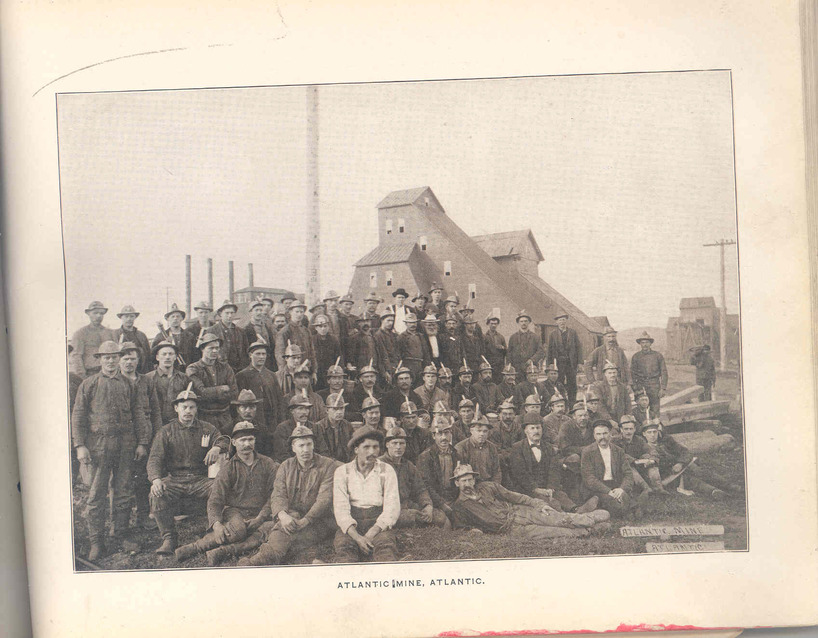
ACCIDENT No. 44.—August 9. Captain Thomas Rowland met instant death from an explosion of powder at the exploration shaft on Section 16 of the Atlantic Mining Company. He was alone at the time, and no one will ever know the exact conditions under which the accident occurred. The building in which the explosion occurred was blown to pieces and caught fire, burning to the ground. The body was badly burned. No one else was injured, the only persons on surface being the engineer in the engine house, and the lander at the shaft, about 100 feet away. It was Captain Rowland’s daily custom to prepare the powder, fuse and caps and take them down the shaft for the miners to blast the holes they had drilled during the day. There was but a small amount of powder kept in the building. As near as is known about twenty-five pounds exploded. No inquest was held.


Atlantic Mine personnel

Culled from: Some Fatal Accidents in the Atlantic, Baltic, Champion, Trimountain and Winona Copper Mines


Vintage Malady Illustration Du Jour!

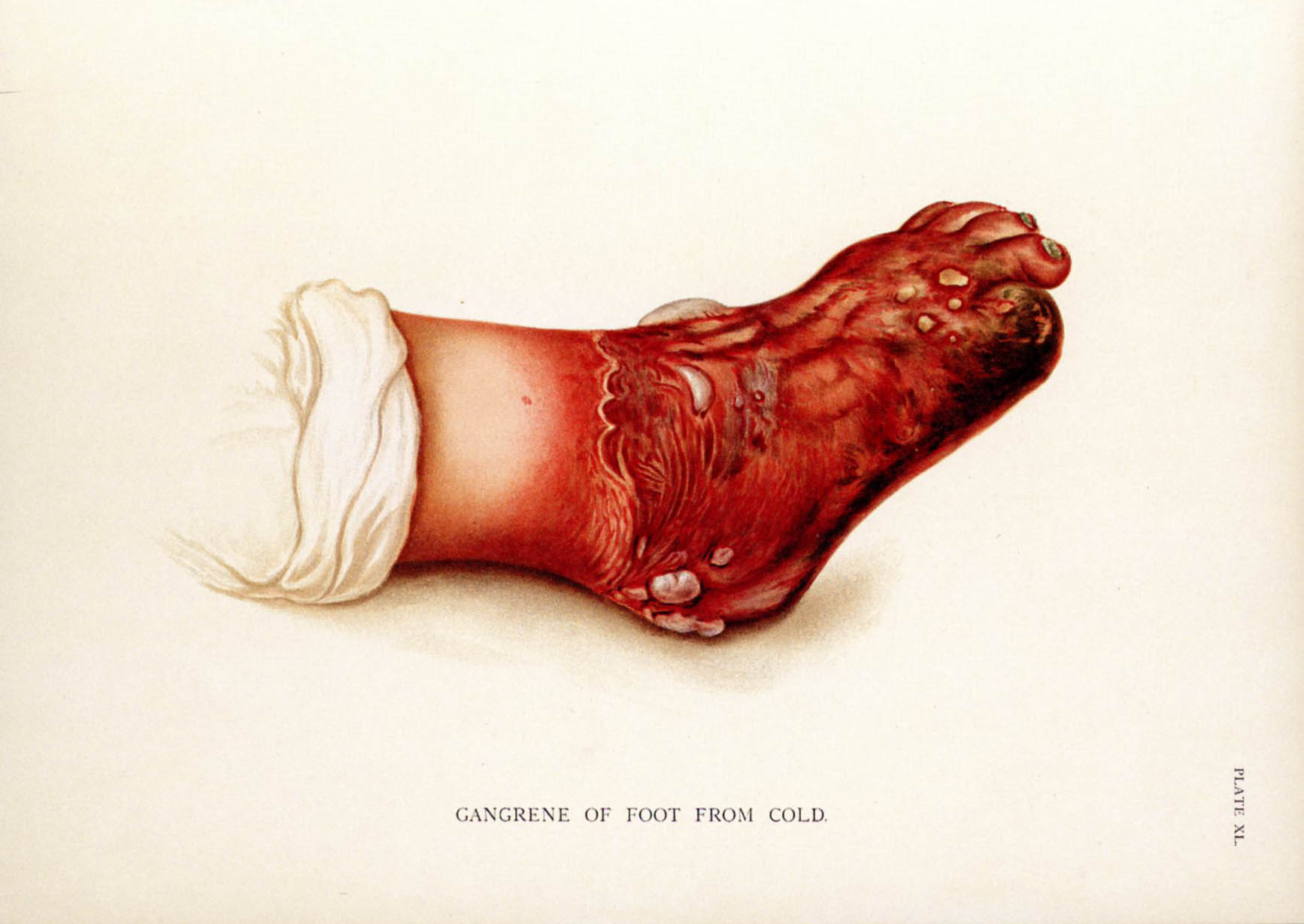
Culled from: The Sick Rose

MFDJ 08/05/23: Slave Children

Today’s Different Yet Truly Morbid Fact!

Although a large number of children born into slavery died in their infancy, if they survived, a slave child partook, in bountiful measure for a while, of many of the joys of childhood. One important reason for this was the large size of most slave families. Some of the black autobiographers enjoyed the exquisite pleasure of being the younger child. Sibling rivalry was apparently minimal. Slave parents, in spite of their own sufferings, lavished love on their children. Fathers regaled their children with fascinating stories and songs and won their affections with little gifts. These were all the more important if the father lived on another plantation. The two weekly visits of the father then took on all the aspects of minor celebrations. They were truly this for Elizabeth Keckley, for her father was only allowed to visit his family at Easter and Christmas time. Grandparents, as for all children, loomed large in the life of the slave child. Grandmothers frequently prepared little tidbits for the children, and grandfathers often told them stories about their lives in Africa.


Slave Children

Often assigned as playmates to their young masters, Negro children played in promiscuous equality with white children. Together they roamed the plantation or went hunting, fishing, berry picking, or raiding watermelon and potato patches. Indeed, at first, bondage weighed lightly on the shoulders of the black child. Lunsford Lane, in reflecting on his childhood on a North Carolina plantation, wrote: “I knew no difference between myself and the white children, nor did they seem to know any in turn. Sometime my master would come out and give a biscuit to me and another to one of his white boys, but I did not perceive the difference between us.”

Most of the slaves, of course, did not have such idyllic childhoods. While J. Vance Lewis recalled that his master’s son “was as true a friend as I ever had,” the memories of many slaves were clouded with tales of brutal treatment from their little white playmates who were often spurred on by their masters. Others were cuffed about by the planters and flogged for daring to visit the plantation house. Thomas Jones summed up the experience of many slaves when he declared: “I was born a slave… I was made to feel, in my boyhood’s first experience, that I was inferior and degraded, and that I must pass through life in a dependent and suffering condition.”

Those who were lucky enough to avoid Jones’s experience in early childhood knew what he felt by the time they reached their teens. Many began working irregularly at light tasks before they were ten. After that age they usually started working in the fields. Such labor was the first, and irreparable, break in the childhood equality in black-white relations. Lunsford Lane’s reaction illustrates the impact of this change:

When I began to work, I discovered the difference between myself and my master’s white children. They began to order me about, and were told to do so by my master and mistress… Indeed all things now made me feel, what I had before known only in words, that I was a slave. Deep was this feeling, and it preyed upon my heart like a never dying worm. I saw no prospect that my condition would ever be changed.

Most black children learned vicariously what slavery was long before this point. They were often terrified by the violent punishment meted out to the black men around them. The beginning of Jermain Loguen’s sense of insecurity and brutal awareness of what he was, for example, occurred when he saw a vicious white planter murder a slave and was cautioned to silence by his mother. The shock of seeing their parents flogged was an early reminder to many black children of what slavery was. When young William Wells Brown saw his mother flogged for being late going to the fields he recalled that “the cold chills ran over me, and I wept aloud.” The flogging Charles Ball’s mother received when he was four years old still retained its “painful vividness” to him forty-seven years later.

In the face of all the restrictions, slave parents made every effort humanely possible to shield their children from abuse and teach them how to survive in bondage. One of the most important lessons for the child was learning to hold his tongue around white folks. This was especially true on those plantations where the masters tried to get the children to spy on their parents. Sam Aleckson pointed out hat as a child he “was taught to say nothing,” about the conversations in the quarters. Frequently mothers had to be severe with their children to prevent them from breaking this important rule. Elijah P. Marrs, for example, declared: “Mothers were necessarily compelled to be severe on their children to keep them from talking too much. Many a poor mother has been whipped nearly to death on account of their children telling white children things…”

Culled from: The Slave Community: Plantatino Life in the Antebellum South


Sex Deviant Du Jour!

The Sexual Criminal is a 1949 criminology textbook written by infamous Los Angeles County criminal psychiatrist J. Paul De River that is jam-packed with all the sexism and homophobia common to its era.  I thought I’d share some of the case studies with you.

The following case illustrates a brutal sadistic rapist with a fetish for light-haired women. This subject always attacked his victim on moonlit nights.

A young married couple living in an exclusive district reported to the police that, upon returning home late in the evening, they discovered that the screen had been removed from two bedroom windows and the rear door unlocked. As they walked into the kitchen they found their nursemaid, M., age seventeen, had been brutally attacked and was lying on the floor unconscious. Her underclothing had been removed and her outer clothing was up about her waist. The victim was removed to receiving hospital, and after a hasty examination by the physician, it was found that she had received a basal skull fracture and had been forcibly raped. Five days later, the subject F. was interrogated by the police, and he confessed that he had committed the brutal crime as well as several other crimes of similar nature, including a murder.

Case F.
Case Study 105, F. age twenty, white male, a printer by trade. He has had three and one-half years of high school.

Family History: F. was an only child. His father died when the subject was sixteen years of age. His mother is living and well. There is a negative history of insanity, epilepsy and all constitutional diseases.

Past History: His venereal history is negative for syphilis and gonorrhea. He denies the use of alcohol, tobacco, and narcotics. He first stated that his sexual life began about the age of fifteen with the act of sexual intercourse, although he later acknowledged that he began to masturbate at the age of eleven or twelve years. He states that he had numerous affairs with girls during his early sex life, and that at the age of nineteen he married a girl twenty-three years of age. He indulges in sexual practices about two or three times a week, but does not believe he is hypersexual. At times it takes him a very long time to have an orgasm and an emission. He denies all homosexual practices.

His past criminal record reveals that, when he was sixteen years of age, he was sentenced to a reform school for attempted burglary. He served about eleven months and was then paroled. During the course of the interview with the author, F. confessed to several other sadistic rape cases of similar nature, and to a murder.

Somatic Examination:  He is well developed and well nourished, of schizothymic physique. He has a good head of thick, dark brown hair. There is a slight amount of hair over his chest and a medium amount of hair under his arms. Pubic hair is of the male type and is medium in quantity. There is a thick growth of hair over his arms, forearms, legs and thighs, anteriorly and posteriorly. His brows are thick and are joined together in the middle, his beard is thick.

He has a male torso. His fingers are long and slender, and his feet are rather long and slender. Muscular relief is good. He is very sinewy. Pelvis and hips are of the male type. His testicles are well developed, penis small (infantile type). On the under surface of the penis, there is a linear scar about two inches long and about one-sixth of an inch in width. This scar is not well defined, and only upon close inspection is it noted. It resembles a scratch which is healing, and it is probably at least five or six days old.


F., himself.

Psychic Examination: He is well orientated as to time, places, dates, and persons. There are no delusions, illusions, or hallucinations. He performs the backward and forward test correctly, and the test for the opposites is fair. He answers questions promptly and intelligently. He states that he knows it was wrong to hit his victims on the head, and he denies getting a thrill from doing so.

F. states that he is very high-tempered at times, although his temperament is phlegmatic. There is a lack of affectivity. He knows right from wrong but does not seem to have much depth of feeling. He states he does not worry. He is emotionally unstable. He is a schizoid personality, cold autistic, professional criminal type with marked sadistic tendencies.

Statements Relative to His Present Offense: F. admits that he slugged and raped the victim, M. He states that the reason he struck the girl was to hide his identity, so that she would not see what he was doing to her or recognize him. He states that he usually uses a 2 x 4 to slug his victims and that he did so in the case of M. He does not think that he is a sexual pervert.

F.’s statement that he uses a 2 x 4 as his instrument of torture when he slugs his victims has great significance. From a psychological standpoint, one must deduce that the 2 x 4, which has always been about two, or two and one-half feet in length, which he usually wields with one hand when striking his victim, unquestionably, whether consciously or subconsciously on his part, is symbolic of the male phallus; and in his wielding the instrument with one hand, one cannot help thinking of the prehistoric or caveman age, when man wielded a club and went out to make a kill. When F. hits his victims, unquestionably he feels that the will to power has been achieved.

Note: Since this examination of F.., the author has been informed through reliable sources that his deductions are correct, because of the fact that his man and his wife do not indulge in a normal sexual relationship. Due to his small sex organ, intercourse has not been successful. He is very sensitive about his sexual development and has an inferiority complex because of this, so the act of cunnilingus has been substituted. Both of them indulged in these acts.


The young victim in the case of F. The victim was struck with a 2 x 4 while being attacked on a college campus.

Analysis and Conclusion: The fact that F. picks out young girls, and the fact that they are always blond and very attractive, leads one to believe that he has a fetish for this particular type. The development and growth of hair is certainly characteristic of the gonadal and adrenal grandular type which is so often indicative of highly-sexed individuals and individuals of sadistic and criminal natures.

F. has developed a shut-in personality (autism) with an inferiority complex, resulting from an organ inferiority. He is an inadequate personality and has made an inadequate sexual partner for his wife, as well as other women. There is no doubt that remarks about the size of his organ by his female partners have caused his feelings to be hurt. Knowing of his inadequacies, he has developed an antagonistic sense towards the female. F. has absolute hatred and antipathy towards females, other than possibly his wife and close relatives. Because of his marked inferiority complex he has developed a supersensitiveness toward things referring to sex. His inferiority complex has swung in an opposite direction to the point of a superiority attitude. With these facts in mind, one cannot help believing that the motivating force behind this man’s criminal tendencies has not been just theft, as he tries to lead one to believe, but sex.

F., while phlegmatic, is not necessarily sullen. He is morally color-blind. He displays no remorse, and apparently never worries. He is fearless, enjoys his strangeness and aloneness.  He is not an exhibitionist, but is a cool, collected criminal who has studied other criminals. He belongs to the army of schizoids or psychopathic wanderers who enjoy being alone, wandering about in lonely and strange places at quiet times of the night. He enjoys backyard fences that he can leap, back alleys, hedges, and lonely spots where there is a shrubbery, preferring moonlight nights when he can prowl about without the use of flashlights, and so forth. He is legally sane and a sadistic sexual psychopath.

(This subject was found guilty of first degree murder and executed.)

MFDJ 08/04/23: A Crazed Soldier

Today’s Wild Yet Truly Morbid Fact!

There was a theatrical element to the grisly practice of collecting body part trophies during war. In many cases, the circumstances surrounding their acquisition were mythologized. Most trophies were taken in the aftermath of battle. Heads, for example, were rarely hacked from freshly slaughtered soldiers in the heat of a fight, although sometimes it happened in a fit of fear or rage, when a ‘kid went crazy’ on the frontlines. Mack Morriss, who worked for the Army magazine The Yank, met a soldier on Guadalcanal in January 1943 who was ‘loaded down with Jap souvenirs’ and who said he had decapitated two wounded Japanese fighters. One was a Japanese officer, and when the American had reached down to steal his sword, the wounded man had grabbed him: ‘the kid went wild, partly, he said, because he’d had a buddy killed, and partly, I think, because he was scared to death. He broke loose, grabbed his knife and stabbed the Jap in the gut, chest, back, cut off the left cheek of his ass and then decapitated him.’ Morriss was not particularly shocked by the story — ‘Okay, so the kid went crazy and cut a couple of guys’ heads off. C’est la guerre’ —  but he continued to think about it for days, and wondered whether he should give the soldier the benefit of the doubt about the nature of the attack.


American Soldiers with Japanese Skull – C’est la Guerre!

Culled from: Severed: A History of Heads Lost and Heads Found


Crime Scene Du Jour!


Homicide — “photo body John Rodgers
West 134th Street Where he was found dead Oct. 21, 1915”

Found Slain After Argument
“A few minutes after he had been heard in an argument with three men, John Rodgers, sixty years old, colored, janitor of No. 88 West One Hundred and Thirty-fourth Street, was foudn dead in the hall near the front door of that address, at 1 o’clock this morning. An ambulance surgeon said a fracture at the base of the skull had caused his death. The police think Rodgers was assaulted. Warren Ames of No. 20 West One Hundred and Thirty-Fourth Street was arrested.” – The Evening World, October 21, 1915

Culled from: Murder in the City: New York 1910-1920

MFDJ 08/03/23: Smallpox Variolation

Today’s Pockmarked  Yet Truly Morbid Fact!

Other than quarantine, the only effective means of combating smallpox was through deliberate infection. It had been observed in India and China that pockmarked survivors never again contracted the disease. This observation led to the idea of preventing natural smallpox by making small incisions in the skin of healthy people and inoculating them with scabs or pus from smallpox patients who had a mild form of the disease. Known as “buying the smallpox” or “variolation,” the practice of smallpox inoculation began in India sometime before 1000 B.C., spread to Tibet, and was introduced into China by monks at a Buddhist monastery in Sichuan province around A.D. 1000.

For some unknown reason, introducing smallpox through the skin rather than the respiratory tract, the natural route of infection, had the effect of reducing the fatality rate from 30 percent to about 1 percent. In most cases, only a few dozen pustules appeared around the inoculation site, yet the resulting lifelong immunity was equivalent to that produced by the full-blown illness. Variolation entailed substantial risks — about one in a hundred people developed a fatal case of smallpox — but when faced with the near-certainty of contracting the natural disease, many willingly took the gamble.


Illustration of Variolation

Different forms of variolation were practiced in various parts of the world. A Chinese method, known as “insufflation,” involved grinding dried smallpox scabs into a fine powder, which was then sucked into the nose through an ivory straw in the manner of taking snuff. Yu T’ien-Chich described this technique in his book, Miscellaneous Ideas in Medicine, published in 1643. In Russia, recipients went to a bathhouse and had their skin slapped with branches that had previously been used on a smallpox victim. During the mid-seventeenth century, merchant caravans brought knowledge of variolation to Arabia, Persia, and North Africa, and it came to be practiced at the folk level throughout the Ottoman Empire, mainly by old women. The Turks used the method of skin inoculation, which they called “engrafting”.

Culled from: Scourge: The Once and Future Threat of Smallpox


Concentration Camp Victim Du Jour


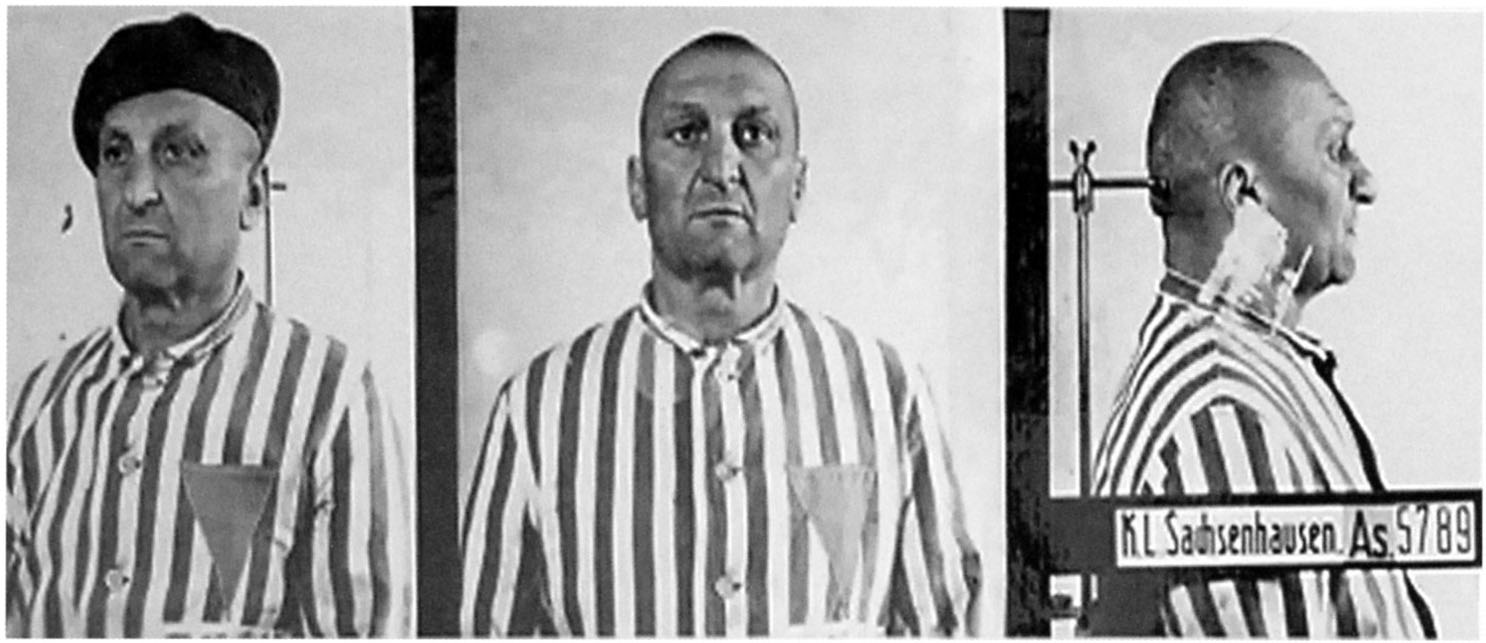
Persecuted as an “antisocial”, identity photo, June 1938

More than 6,000 people were brought to Sachsenhausen in June 1938 during “Operation Work-shy Reich” and forced to work there. According to the Nazi definition, “anti-socials” were people “who did not [want to] fit in to the national community.” This photo shows Georg F., a 43-year-old, who was classified in this category and was put in the camp on June 23rd, 1938,

Culled from: Sachsenhausen Concentration Camp

MFDJ 08/02/23: The Prisoners of Wake Island

Today’s Suffocating Yet Truly Morbid Fact!

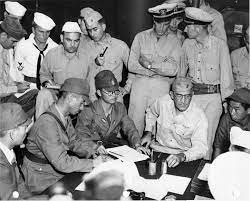
The Battle of Wake Island started on December 8, 1941.  The Japanese had to fight hard to take the island. After several unsuccessful attempts, and against fierce resistance by the force of U.S. Marines, construction workers, and Navy personnel, they finally took the island on December 23, capturing about 470 military and 1,146 civilian prisoners. There was no pretense of a written surrender agreement. Commander W.C. Cunningham, U.S. Navy, and Major James P. S. Devereux, U.S. Marine Corps, had to accept terms that were unwritten and simple—unconditional surrender.

All the officers were confined in one building and the Japanese treated them fairly well. For the enlisted men and civilians, it was another story. They were ordered to strip down to their underwear. Their hands were bound behind them with telephone wire and pulled high up on their backs. One end of the wire was tied around their necks so that they would choke if they tried to free themselves. In this condition they were crowded along with the sick and wounded into hospital dugouts. Packed to the point of suffocation, they were held in the dugouts for what to most of them seemed an eternity. Finally one of the men and a doctor prevailed on the Japanese to let some of the prisoners out, which helped to relieve the terrible conditions in the dugout. Later the whole group was moved to the airstrip on the island and put to work clearing it. The Japanese gave them little food, and the water they drank came from recently emptied gasoline drums. On the day after Christmas one of the enlisted men bringing food to the officers passed a note to Major Devereux informing him of the conditions at the airstrip. Major Devereux wrote a letter of protest to the Japanese commanding officer. He never received an answer to his letter, but it had its effect. Shortly thereafter the men were moved into barracks and were given more food.


The Americans Surrender

Culled from: Surrender & Survival: The Experience of American POWs in the Pacific 1941-1945


Vintage Surgery Du Jour!

Here’s an except from Stanley Burns’ excellent collection of vintage medical photographs: A Morning’s Work.


Civil War Knee Operation, April 8, 1865
Reed Brockway Bontecou, M.D. Washington, D.C.
Albumen print (carte-de-visite), 4 x 2 1/2 in.

During the first forty years of photography, only one surgeon recorded surgical operations being performed and closed up. Dr. Bontecou (1824-1907), Surgeon in Charge at Harewood United States Army General Hospital in Washington, D.C., was a photography buff who undertook the job of documenting his cases for the Surgeon General’s newly established Army Medical Museum.  Bontecou hoped to help educate others by showing pathology, technique, and results. To this end he took pre- and postoperative as well as intraoperative photographs. He contributed more medical photographs to the Civil War effort than any other surgeon. Many images of wounded soldiers were taken by other photographers after the war as documentation of disability, but Bontecou’s are all wartime views.

This rare view of an operation was printed in a special limited edition as part of a series for use by the Army Medical Museum, but the surgical assistant, who was holding open the dissected knee, was cropped from the museum print. This photograph, from Bontecou’s original set of albums, (now in the Burns Collection) is the original view and depicts the full scene.  It is published here for the first time. The assistant’s attire and the lack of sterility , both standard at the time, are evident.

Dr. Bontecou noted: “Hospital record #20,508. George W. Northard, Sargent, Co. G., 2d Ohio Cavalry. Age 23. Wounded April 1, 1865, at the battle of Petersburg. Admitted to Harewood U.S. General Hospital, with gun shot wound of the right knee. The ball entered just above the patella through which it passed, fracturing it into six fragments — passed downward and outward, fracturing the external condyle of femur, and escaped. On the 8th of April he was etheryzed, and Surgeon R.B. Bontecou, U.S.V., removed the fractured patella and a fragment of the external condyle. The constitutional state of the patient at the time of the operation was very good.  After the operation the limb was placed in a box containing bran, and the patient put on a low diet. Subsequently the limb was placed upon a light open splint, extending from the tuberosity of the ischium to a point near the heel, and suspended by a cord, and the patient put on nutritious diet with wine and porter. On the 13th of April he was transferred to a tent ward. Up to this time he suffered considerable pain in the joint, and was very restless and irritable. His appetite became poor, hiccough and vomiting set in. Suppuration [discharge of pus] was profuse and the patient died April 22nd, from exhaustion.”

Yeah, I think he died from infection, not exhaustion, but that’s 19th century medicine for ya! – DeSpair