Category Archives: Ghastly!

MFDJ 02/04/24: Ruthless Treatment of Russians

Today’s Ruthless Yet Truly Morbid Fact!

The prisoners of war at Bergen-Belsen concentration camp were guarded by soldiers who could not be deployed to the front because of their age or physical afflictions. These soldiers made up the territorial units (Landesschützen).

The camps’ headquarters were staffed with reserve officers, many of whom were over 60 years old and had already served in World War I.

The guidelines for the conduct towards Soviet POWs issued by the Wehrmacht High Command demanded a ruthless treatment of these prisoners without any respect for martial or international law. Many soldiers acted accordingly, others sometimes used the leeway they had to the prisoners’ advantage.


Bergen-Belsen, 1942
One guard squad of the territorial units relieving another at the entrance to the camp.
Photographer unknown, from the collection of Wehrmacht soldier Heinrich V.


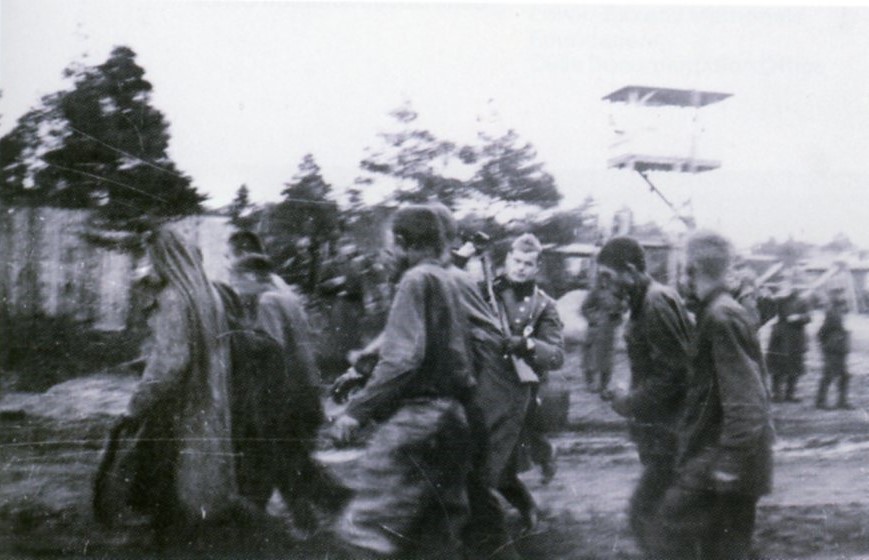
Wietzendorf, autumn of 1942
A German soldier beating prisoners.
Photographer unknown, from the collection of Wehrmacht officer Heinz Dietrich Meyer.


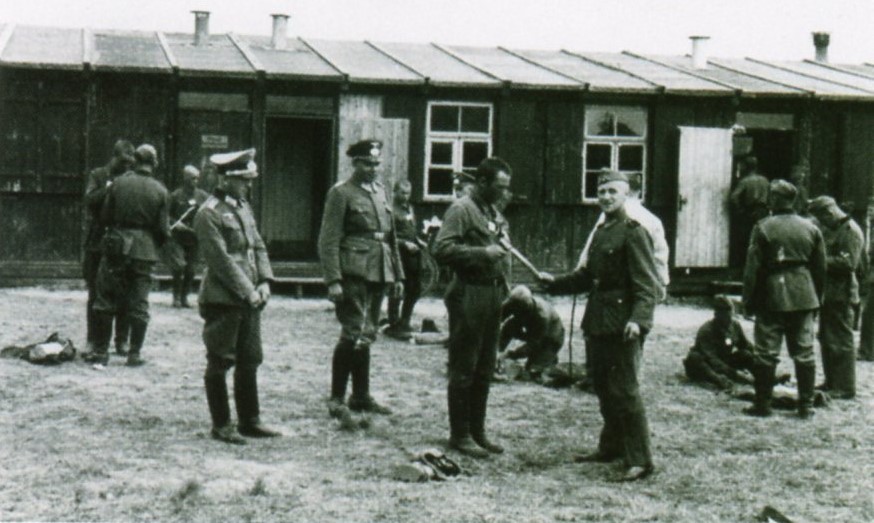
Oerbke, 1941
Guards and prisoners outside the registration hut.
Photographer unknown, from the collection of Wehrmacht soldier Heinrich V.

“It all starts off pretty messy and jumbled here. For the most part, the Russians are just like animals, and, accordingly, are not treated very gently by us.”
Excerpt from a letter written by Wehrmacht officer Otto R., Oerbke, August 10, 1941

“[…] at the moment, our duties here are so cruel and affecting, I can’t even write about it to you. Believe me, the sacrifices we make are greater than you think. We’re always behind barbed wire and have the most terrible images before us. No, we’ll only be happy once we’re all back home. Here, in this isolation, we can’t even take our minds off things.”
Excerpt from a letter from Wehrmacht soldier Heinrich V. to his wife, Bergen-Belsen, October 14, 1941

“This morning, a gang of sick prisoners, around 50 of them, marched past me. […] They were hollow-eyed figures with pale cheeks and large, dark rings around their eyes. Death was already written all over their faces. […] It was a sad sight on this Sunday morning, this caravan of death.”
From notes taken by Wehrmacht officer Heinz Dietrich Meyer, Wietzendorf, entry for February 1, 1942

Culled from: Bergen-Belsen

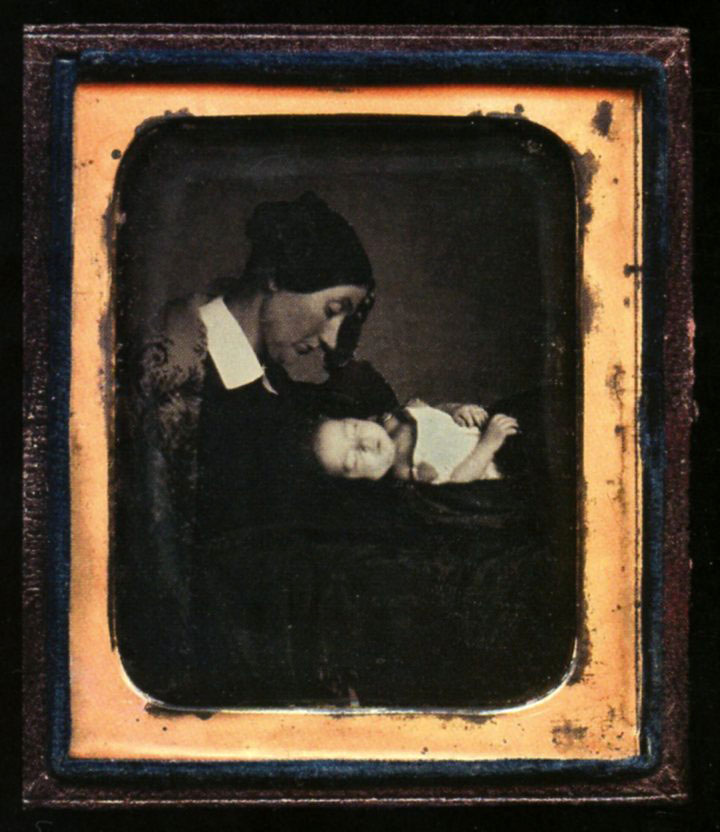
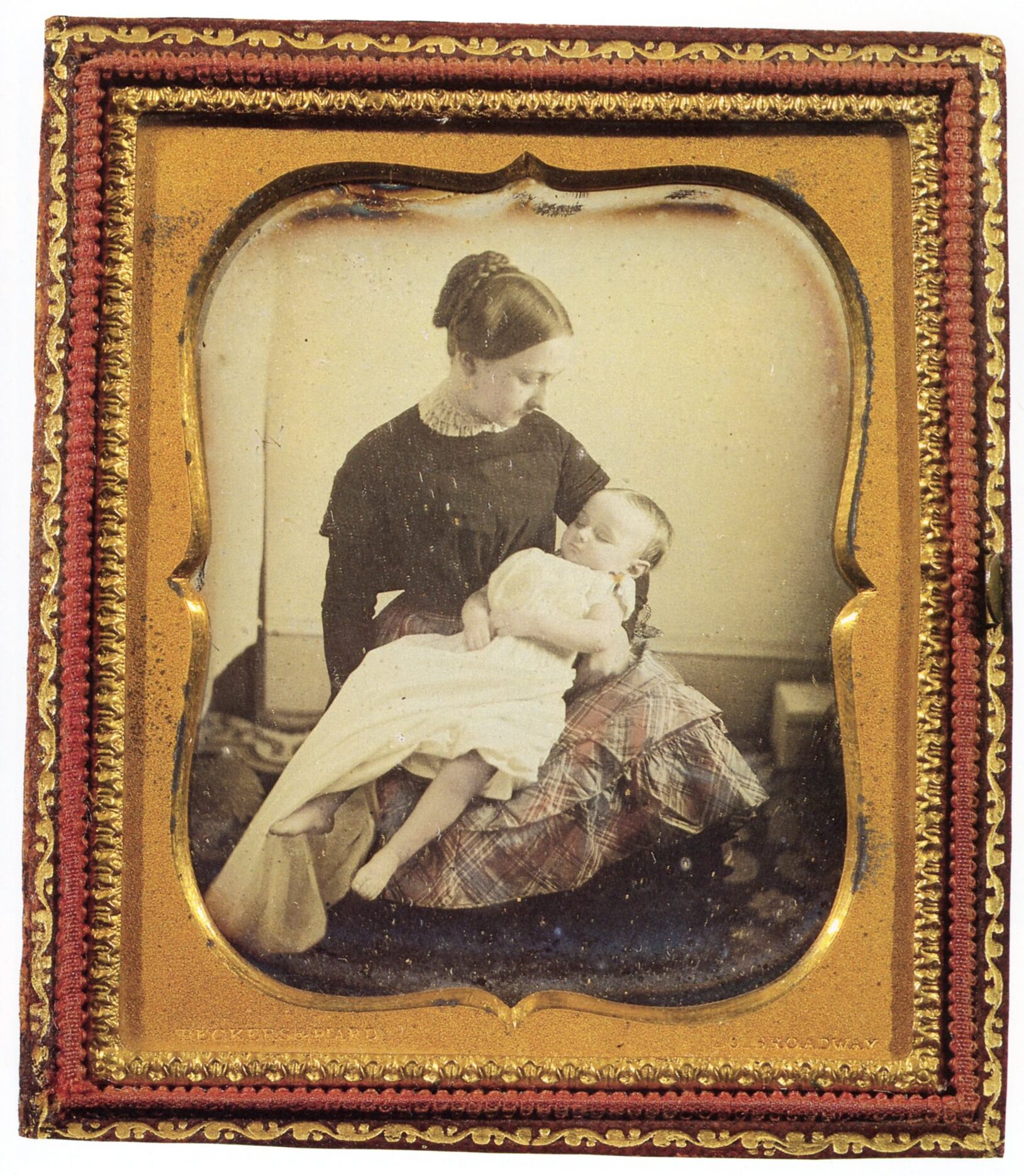
Post-Mortem Portrait Du Jour!


Woman Mourns Lost Child
Circa 1852, sixth-plate daguerreotype, 3.75″ x 3.25″

In this poignant and dramatically arranged scene, a bereaved woman, her gloved hand placed against her forehead, gazes down at her lost child.

Culled from: Beyond the Dark Veil

Andersonville Prisoner Diary Entry Du Jour!

This is the continuation of the 1864 diary of Andersonville prisoner Private George A. Hitchcock (see the archived version for all entries up until now).

Here’s today’s entry:

October 24th. Had a comfortable night’s rest. We think we have our tent made very comfortable. The chief sutler was cleaned out by the Dutch captain for selling liquor, and his goods confiscated for the benefit of the sick around camp.

Culled from: Andersonville: Giving Up the Ghost

MFDJ 01/28/24: The National Pastime

Today’s “Recreational” Yet Truly Morbid Fact!

More on America’s shameful history. Warning – this one is hard to read. – DeSpair

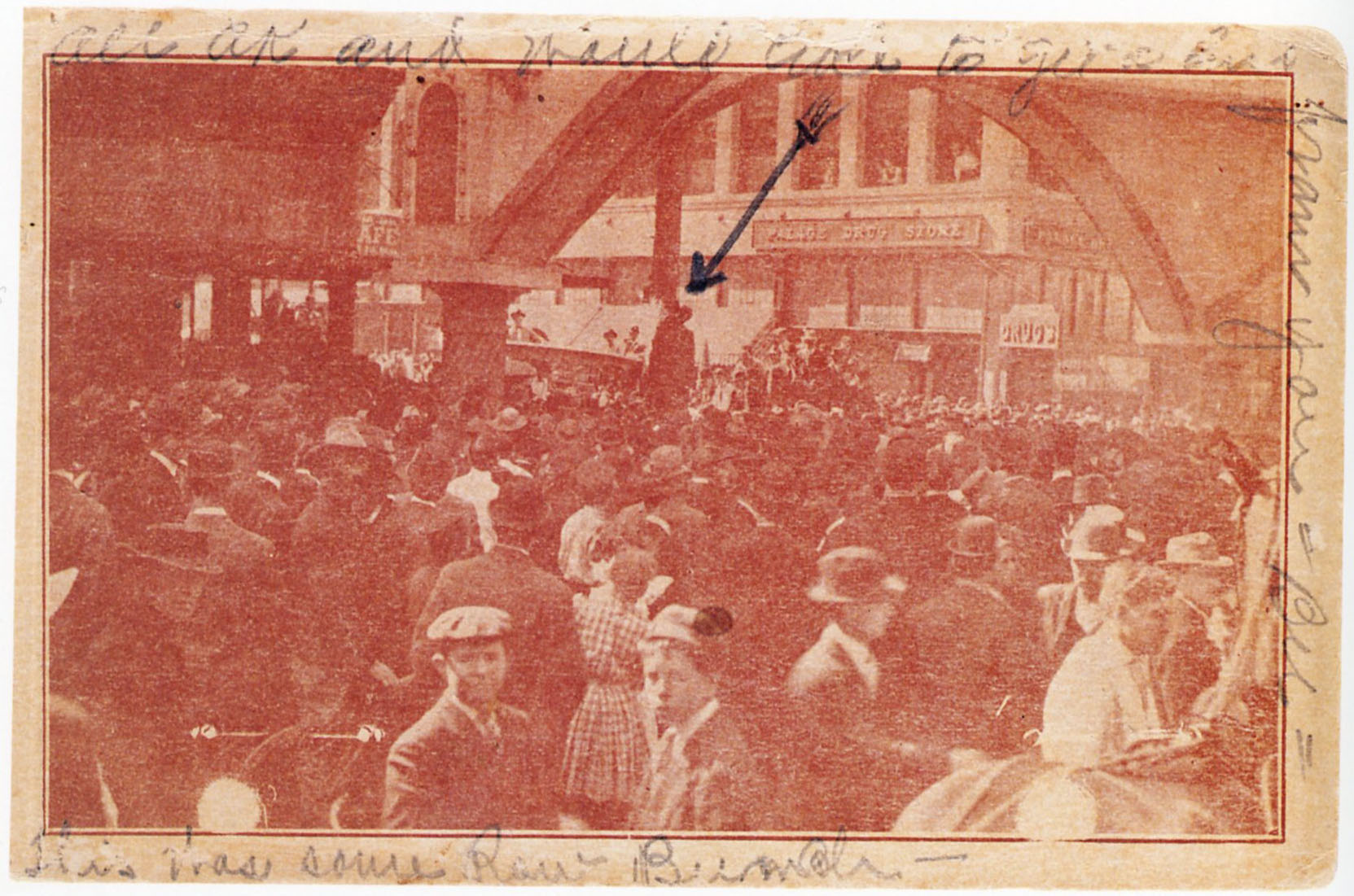
Investigators in Jim Crow America frequently found no easily ascertainable reason for a lynching, except perhaps white emotional and creational starvation. For some, “nigger killing” had simply become a sport, like any other amusement or diversion, and its popularity prompted a black newspaper in 1911 to call it “The National Pastime.” Like any other amusement or recreational diversion, Walter White said of lynching, it provided whites with a welcome escape from “the endless routine or drab working-hours and more drab home lives.” (Poor little things – DeSpair) In Augusta, Georgia, in 1890, a black man was found one morning in the street, his body riddled with bullets. Suspecting a certain group of men may have been responsible, a white resident asked one of them, “Pat, who killed that nigger?” “Oh, some of the boys,” he responded, with a grin. “What did they do it for?” the resident asked. “Oh, because he was a nigger,” Pat replied, as if that were more than sufficient explanation. “And,” Pat added, “he was the best nigger in town. Why, he would even take off his hat to me.”

Although seldom cited as the reason for mob violence, the assumption persisted that an occasional lynching, for whatever reason, served a useful purpose, that periodically it became necessary to remind a new generation of blacks of their place in southern society. “You don’t understand how we feel down here,” a young white southerner explained to a northern visitor; “when there is a row, we feel like killing a nigger whether he has done anything or not.” It was imperative that blacks understand their limits. “A white man ain’t goin’ to be able to live in this country if we let niggers start gettin’ biggity,” a white Mississippian said of a black being held for trial. “I wish they’d lemme have him. I’d cut out his black balls and th’ow ’em to the hawgs.” Some years later, when the number of lynchings subsided, a white resident of Oxford, Mississippi, told a visitor that lynching still had a reaffirming and cathartic quality that benefited the entire community. “It is about time to have another lynching,” he thought. “When the niggers get so that they are not afraid of being lynched, it is time to put the fear in them.”


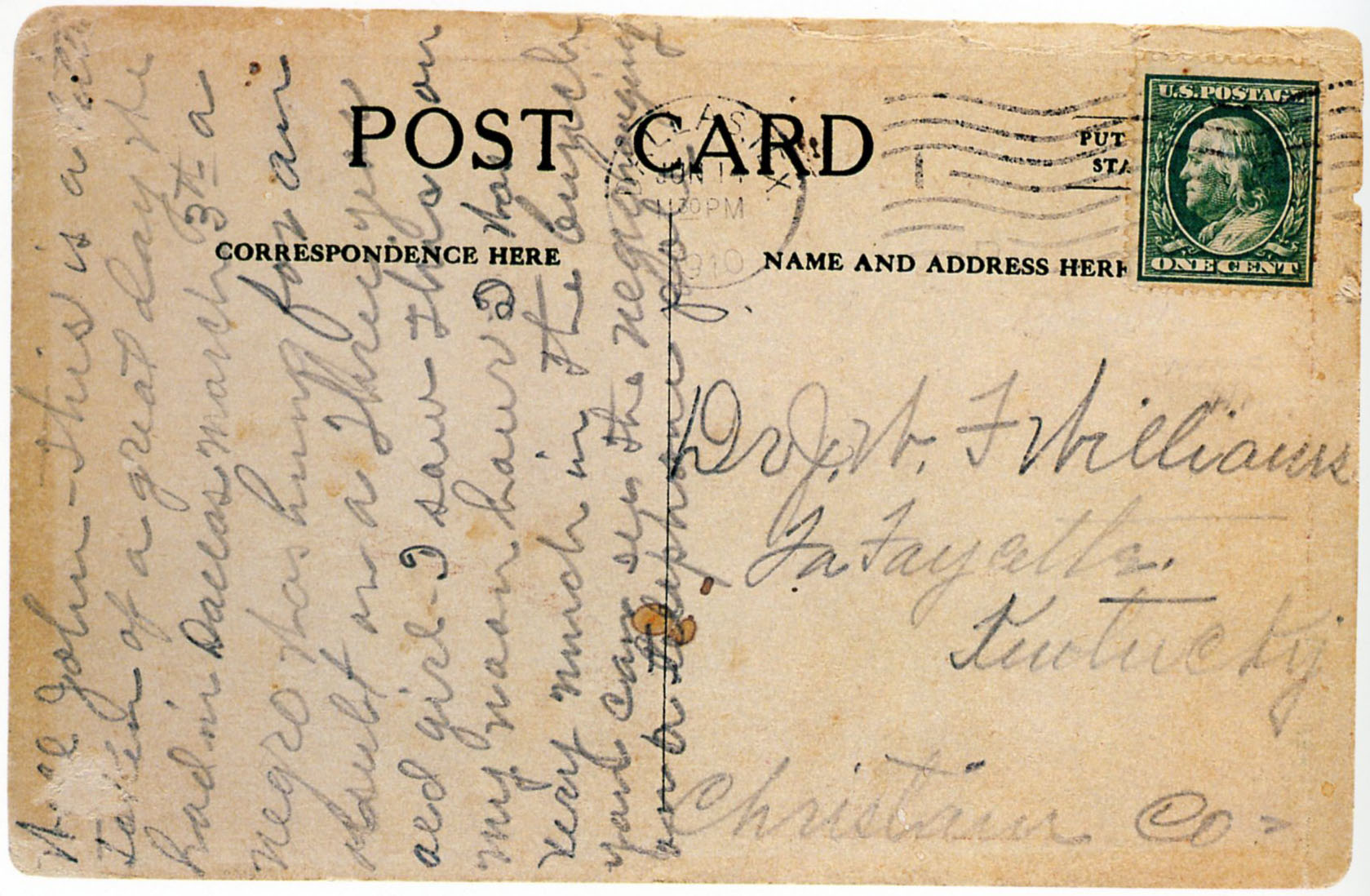
Postcard commemorating the lynching of Allen Brooks. March 3, 1910, Dallas, Texas.

Culled from: Without Sanctuary: Lynching Photography in America

As best I can make out, the post card says:

“Well John — This is a photo taken of a great day we had in Dallas March 3th – a negro was hung for an assault on a three year old girl. I saw this on my noon hour. I was very much in the bunch. You can see the negro hanging on a telephone pole.  All OK and would love to get a card from you – Bill.”

I can’t make out the bottom of the front of the card (“This was…”).

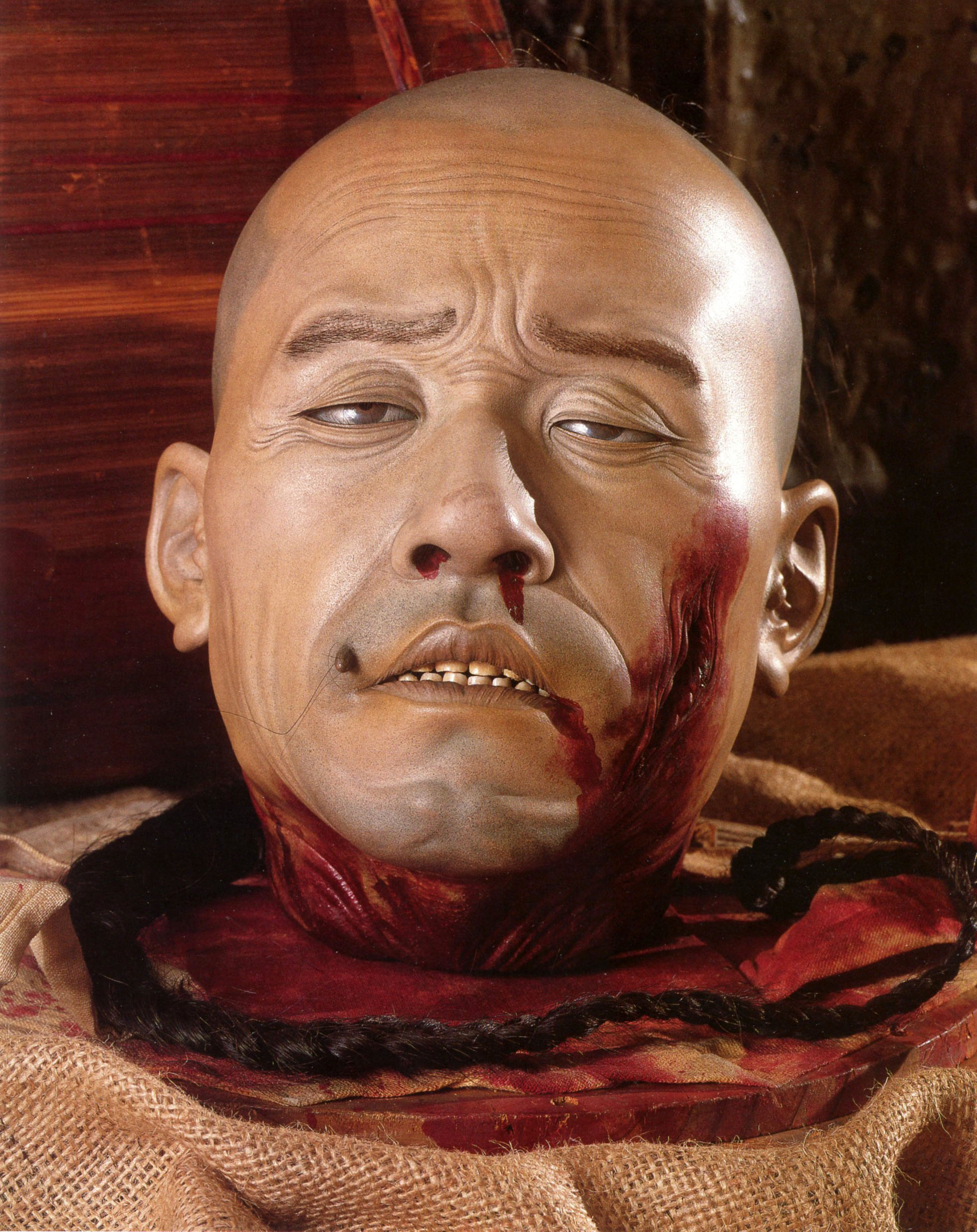
Mütter Museum Specimen Du Jour!


Head Shot ©1999 Scott Lindgren

Model of decapitated Chinese head, presented to the Museum by Dr. Charles D. Hart in 1896.
The head may have been made by a Japanese artist. Its purpose is unknown, whether to serve as a substitute for a real trophy head, or as a stage prop. The materials of which it is made are unknown, though X rays reveal a wooden armature.

Culled from: The Mütter Museum Calendar, 2000


Andersonville Prisoner Diary Entry Du Jour!

This is the continuation of the 1864 diary of Andersonville prisoner Private George A. Hitchcock (see the archived version for all entries up until now).

Here’s today’s entry:

October 17th. Large details have been made to go out for wood. Rations of raw beans and molasses, but no bread. Made candy of my molasses. Rain in the evening.

Culled from: Andersonville: Giving Up the Ghost

MFDJ 01/27/24: Mangled Into Eternity

Today’s Mangled Yet Truly Morbid Fact!

Early in the nineteenth century executions were carried out not on the wheel but by the wheel, it being used as a weapon with which the victim was struck. The Percy Anecdotes, written in 1823, quotes the account of an execution witnessed by a traveler in 1819, which took place near Berlin, his description of the scene being particularly vivid.

A triangular gibbet is raised in the centre of an extensive plain commanding a view of the city; attached to this gibbet is a stone platform, lightly railed in with iron, so as to admit of all that takes place being distinctly viewed by the spectators. A large grave was dug in front of it. The area was surrounded by a detachment of lancers, formed in hollow squares, and enfiladed around the execution site by an inner square of the infantry squad.

About half an hour before the appearance of the criminal, twelve persons, executioners, officers of the police, and two little boys as assistants, mounted the scaffold and fixed the strangling cords. At length the buzz of the surrounding multitude, the flourishing of naked sabres and the galloping of the officers, announced the slow approach of the criminal upon a hurdle drawn by six horses.

On his approach, the word of command flew through the ranks; arms were presented, drums were beaten, and the colours and lancers’ pennants raised, until he had mounted the scaffold.

Never shall I forget the one bitter look of imploring agony that he threw around him, as almost immediately his coat was rudely torn from his shoulders. He was then thrown down, the cords fixed around his neck, which were then drawn by the executioner until strangulation almost commenced, or at least until dislocation of the neck was nearly completed.

Another executioner then approached, bearing in his hands a heavy wheel bound with iron, with which he violently struck the legs, stomach, arms and chest, and lastly the head of the criminal. I was unfortunately near enough to witness his mangled and bleeding body, still convulsed.

It was then carried down from the scaffold for interment, and in less than a quarter of an hour from the beginning of his torture, the corpse was completely covered with earth. Several large stones which were thrown in on top of him hastened his last gasp — he was mangled into eternity.  [“Mangled into eternity.”  Doesn’t that sound romantic?  – DeSpair]


Various methods of breaking with the wheel

Culled from: The Book of Execution

And Now Some Words From The Good Book!

My favorite book is Wisconsin Death Trip, a collection of 19th century newspaper articles from Black River Falls, Wisconsin accompanied by glass plate negatives taken by the town photographer in the same era.  Here are some excerpts from the book, accompanied by a photo of a tragically deceased young’un.

“Mamie Weeks, a 15 year old girl at Beaver, has made complaint against her father Jacob Weeks of being the father of her unborn child. Weeks has disappeared.”
[6/9/1892, Badger State Banner]

“The golden bowl is broken, the silver cord is loosened, and the manly heart of Frank Warren Bathrick ceased to beat at 5 o’clock the afternoon of July 23, 1892. His sudden death was a fearful shock to his many friends who, in the midst of the annual harvest of the earth, were brought so swiftly into the presence of the heavenly garnering of this young life by the reaper ‘who with his sickle keen / cuts the bearded grain with his breath / and the flowers that grow between.’  What brilliant broken plans, what baffled high ambitions, what sundering of strong, warm friendships, what bitter rending of sweet household ties… Around his bedside, father, mother, brother, and sister lingered, praying for a ray of hope, dreading the inevitable shadow of the death angel’s wing. What could be more tender or a source of sweeter joy than the memory of his parting words to his beloved mother, when he spoke, as if already within the portal, this blessed assurance of affection: ‘I love you.'”
[7/28/1892, County, from Sechlerville]

“Judge Perry sentenced Mrs. Ira C. Miller of the town of Irving to the Mendota insane asylum…”
[8/11/1892, Town News]

“Died, September 20th, 1892, at his home in Sechlerville, Wisconsin, Samuel McWilliam, in the 84th year of his age. The death angel hovered over the home of Uncle Sammy for many months, threatening and retreating until gently and silently it wrapt its dark mantle around his wasted form and winged its flight to that bourn from whence no traveler returns. Born in … 1809, the deceased… was the father of 8 children, 6 of whom (2 sons and 4 daughters) remain to comfort the last days of their widowed mother… His sufferings were such as only those with cancer endure. He longed for release. His eyes, closed in the darkness of here, [have] opened (we trust) in the brilliant presence of his Redeemer.”
[9/29/1892, County, from Sechlerville]

“The body of Mrs. Ira Miller was brought here from Mendota asylum on the early train Sunday morning….”
[10/6/1892, Town News]

“Admitted May 1, 1904. Town of Manchester. Age 47. Born in Wisconsin, father was French-Indian, mother French-German. Married, 14 children, youngest 2 years. Housewife. Poor. Symptoms first noticed 12 years ago following loss of child. Deranged on religious matters… Addicted to smoking…”
[Mendota State, 1904 Record Book (Female, H), p. 366, patient #9835]


Andersonville Prisoner Diary Entry Du Jour!

This is the continuation of the 1864 diary of Andersonville prisoner Private George A. Hitchcock (see the archived version for all entries up until now).

Here’s today’s entry:

October 16th. I was detailed to “pack” dead out to the dead-house from the sheds. I carried out two men belonging to the 19th Massachusetts. Nights are cold and frosty, and no wood to keep warm with.

Culled from: Andersonville: Giving Up the Ghost

MFDJ 01/26/24: Malformed Genitalia

Today’s Misformed Yet Truly Morbid Fact!

In colonial America, charges of impotence provoked physical examination of the impugned husbands. Some such colonial cases revealed what we might today consider intersex conditions, exposing not only the husband’s failure to perform sexually but also his physical anomaly. In June 1686, for example, Dorathy Clarke of Plymouth, Massachusetts, petitioned the court for a divorce, stating that her husband, Nathaniel Clarke, “hath not performed the duty of a husband to me.” Dorathy alleged that her husband was “misformed” and that he was “always unable to perform the act of generation.” She requested a divorce because their “lives are very uncomfortable in the sight of God.” Nathaniel denied the charges of “infirmity of body,” and so the court ordered that “his body be viewed by some persons skillful and judicious.” The court chose three male physicians to inspect Nathaniel’s body and give their judgment at the next court date. The findings of the physicians are not clear, but one month later the court decided that Dorathy would not be granted the divorce she requested.

Impotence, particularly if attributed to a “misformed” penis, was regarded as a potential indicator of a hermaphroditic condition. Bodily examinations were common in such cases. The three doctors who scrutinized Nathaniel Clarke may have been looking for an unusually small penis that might have hindered sexual intercourse or a malformation known as hypospadias, where the urethral opening was on the underside rather than the top of the penis. These conditions were recognized and, according to colonial law, would have been reason enough for a divorce, since they presumably predated the marriage contract. As the divorce was not granted, Nathaniel Clarke must have displayed some lesser (and acceptable) physical anomaly that left him capable of coitus or, alternatively, fully normal genitalia.

Culled from: Bodies in Doubt: An American History of Intersex


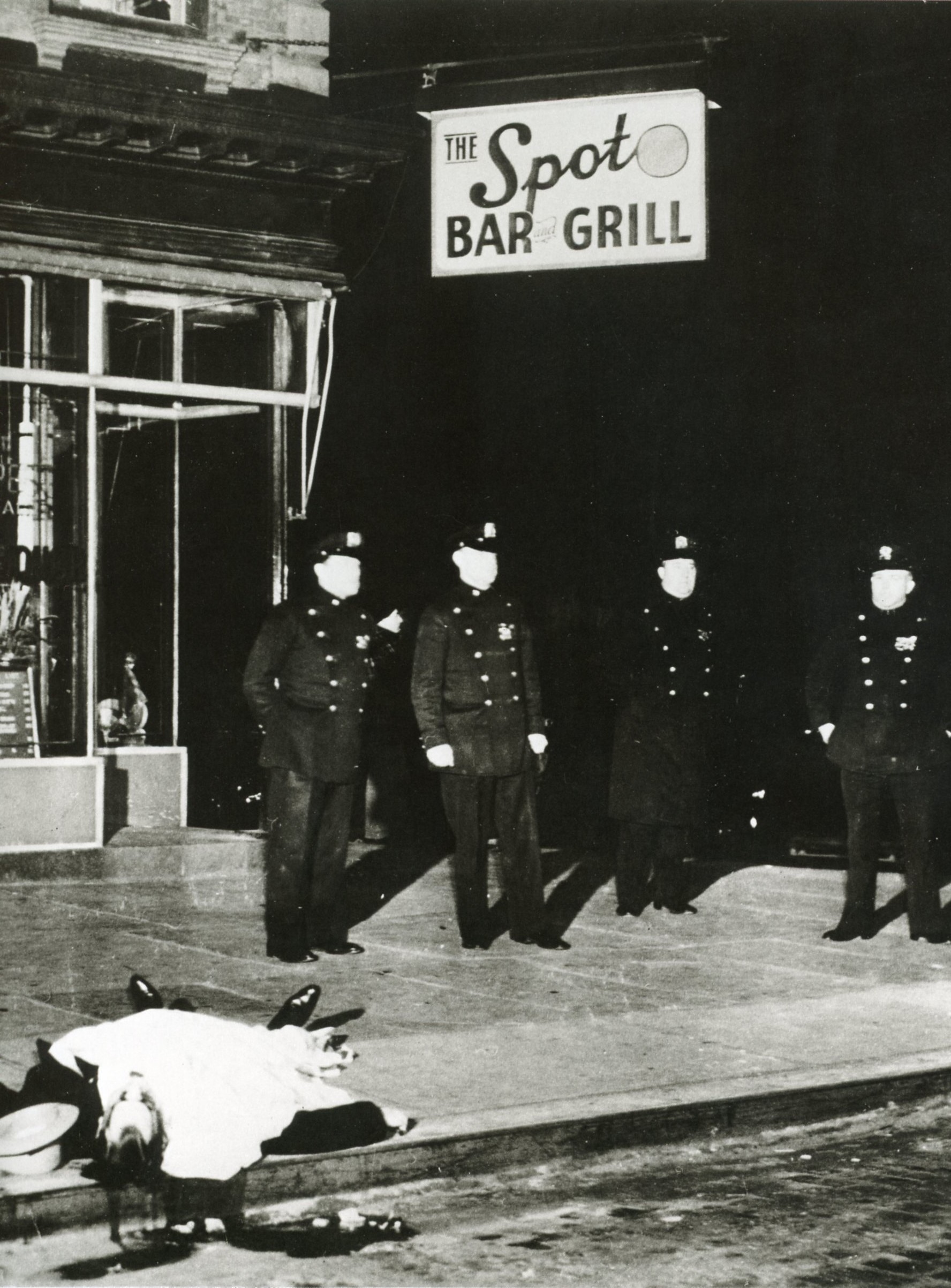
Weegee Du Jour!

Weegee was the pseudonym of Arthur Fellig (June 12, 1899 – December 26, 1968), a photographer and photojournalist, known for his stark black and white street photography. Weegee worked in Manhattan, New York City’s Lower East Side as a press photographer during the 1930s and ’40s, and he developed his signature style by following the city’s emergency services and documenting their activity. Much of his work depicted unflinchingly realistic scenes of urban life, crime, injury and death.

Here’s a photo from the book Weegee’s New York: Photographs, 1935-1960:


On the Spot, ca. 1940

Andersonville Prisoner Diary Entry Du Jour!

This is the continuation of the 1864 diary of Andersonville prisoner Private George A. Hitchcock (see the archived version for all entries up until now).

Here’s today’s entry:

October 15th. Shep. and I have been digging our grave deeper, over which we spread our blanket. Teeth ache all day another sleepless night.

Culled from: Andersonville: Giving Up the Ghost

MFDJ 01/20/24: Broken in New London

Today Cracked Yet Truly Morbid Fact!

The New London School explosion occurred on March 18, 1937, when a natural gas leak caused an explosion and destroyed the London School in New London, Texas, United States. The disaster killed more than 300 students and teachers. As of 2021, the event is the third-deadliest disaster in the history of Texas, after the 1900 Galveston hurricane and the 1947 Texas City disaster.  The following is an account of the aftermath of the disaster.

Walter Freeman, twelve, was sitting at his desk in the back of Lena Hunt’s math class, in the opposite corner from H. G. White’s desk, when the explosion brought the school down around them. Walter woke up on the floor under a desk, feeling numb through part of his body, stinging and hurting in other places. He saw some light seeping in from the direction of a stairwell in the hall that led up to the outside. With excruciating effort, Walter pulled himself forward into the hallway. It seemed like he was inside a bad dream. He remembered seeing Mrs. Hunt at her desk, with the black board behind her, when something crashed down on the teacher. He also remembered seeing a quick flash almost at the same moment, as he careened from his desk into a vortex of debris. Now he couldn’t stand up, but he managed to crawl another few inches using his shoulders, chest, and one arm. A stick protruded from his other arm. Walter tried to pull it out but it wouldn’t budge, and that’s when he realized it was bone.

His back was broken, several ribs were cracked, the sight in one eye was blurred, and a piece of steel was embedded in his head; he had a concussion. Walter didn’t know the extend of his injuries or how perilously close to death he was. He just focused on the shaft of light ahead of him and pulled himself toward it. He heard someone near the stairwell say, “There’s one. Let’s get him out.”

Two women hurried down the steps and saw the boy with a blood-smeared face and his overalls nearly ripped off his body. His eyes were open, blinking away drops of blood. They carried him out into the sunshine.

Walter saw the big oak tree behind the school with some of its branches stripped off as if a storm had hit it, and the mangled body of a child hanged from one that remained. He passed out.

Culled from: Gone at 3:17


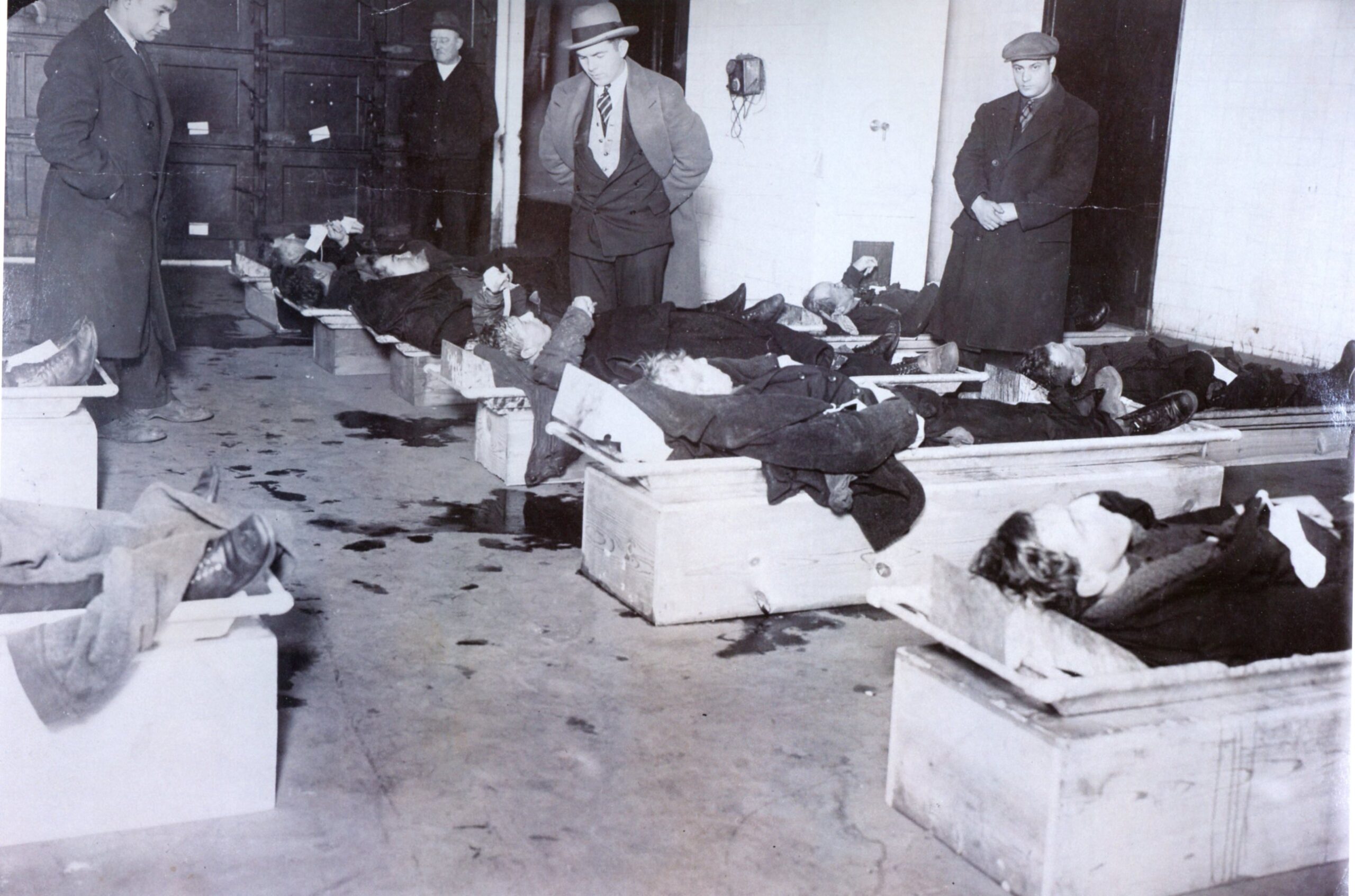
Ghastly!  Gangland Edition

The Murdered Bugs Moran Gang, Chicago, Morgue
Al Capone’s Victims of the St. Valentine’s Day Massacre, 1929

Culled from: Stiffs, Skulls and Skeletons


Andersonville Prisoner Diary Entry Du Jour!

This is the continuation of the 1864 diary of Andersonville prisoner Private George A. Hitchcock (see the archived version for all entries up until now).

Here’s today’s entry:

October 9th. Still clear and cold. We are moved over to the south end of this deserted camp, and are formed into detachments of five hundred men in each. We are in the 4th. Shep. and I dug a hole in the ground, over which we spread our blanket, for another cold night is expected, and we must work to keep from getting a death-chill, even if it is the Sabbath.

Culled from: Andersonville: Giving Up the Ghost

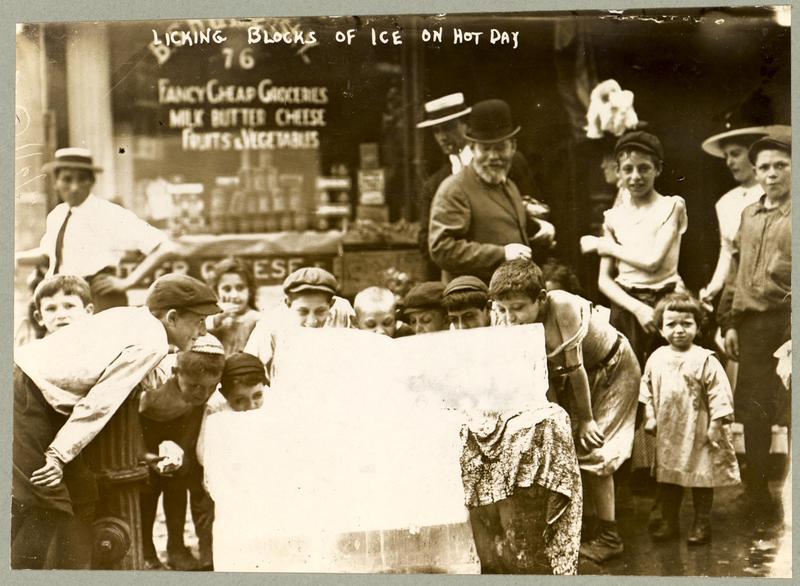
MFDJ 01/19/24: The Russell Family Suffers in the Heat

Today’s Prostrated Yet Truly Morbid Fact!

During the New York City heat wave of August, 1896, the Russell family of Huron Street in Brooklyn particularly suffered.  On the day of August 12th, 1896, Patrick Russell, seventy-three years old and a retired merchant, visited his eldest daughter in Manhattan on one of the hottest days of the year, returned home, and died. His youngest daughter, Mary, was prostrated in the city and taken to Presbyterian Hospital, where she later died. Finally, Russell’s son, Patrick Russell Jr., a clerk in Brooklyn’s Hall of Records, stayed home from work to attend to his family and to funeral arrangements. His wife become prostrated, and after fetching a doctor for her, Patrick himself succumbed to the heat and died. His wife was not expected to recover, which would make four deaths from heat in one family within twenty-four hours. It is quite possible that as a clerk in the hall of Records, Russell had been exceedingly busy with filing death certificates. The day before he died, Brooklyn recorded 178 deaths, more than twice the number of deaths on August 8, and nearly three times the more normal number of 64 deaths recorded on August 4. Now the Russell family death certificates would be among the 147 filed that day.


Cooling down in NYC

Culled from: Hot Time in the Old Town

Post-Mortem Photo Du Jour!


MOTHER HOLDING DEAD CHILD
Anonymous
2 3/4″ x 3 3/4″ Daguerreotype & Ambrotype
Circa 1845-1855

Culled from: Sleeping Beauty I


Andersonville Prisoner Diary Entry Du Jour!

This is the continuation of the 1864 diary of Andersonville prisoner Private George A. Hitchcock (see the archived version for all entries up until now).

Here’s today’s entry:

October 8th. The weather changed suddenly in the night, and to-day is clear and cold. Lost another night’s sleep from teethache. Many poor fellows are sinking, and dying from exposure to this hard weather.

Culled from: Andersonville: Giving Up the Ghost

MFDJ 01/17/24: The Persecution of Anna Kaserin

Today’s Animal-like Yet Truly Morbid Fact!

The case of a woman in Eichstätt, Germany, Anna Kaserin, wife of an innkeeper, shows the lengths the authorities went to in order to crush suspected witches. Brought to trial in 1629, she was severely tortured (thumbscrews and strappado) and chained to her cell wall, in this case with a female jailer as a guard. First denying everything, she finally admitted that twice when she was drunk and had lain down, “someone” had come in and had sex with her. Trying to satisfy the court, she names him “Beelzebub” and says that he placed his devil’s mark on her right foot. She also confessed to having killed her own child. She attempted suicide by emptying her bowels and bladder into a bowl, breaking bread into it, and trying to eat it, hoping this would kill her. But she vomited it up and survived to be beheaded and burned. The way in which these trials were carried out was designed to reduce people to animal-like behavior, to break their spirits and minds.
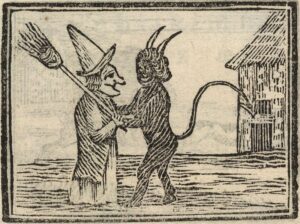

Beelzebub seducing a witch, again… 

Culled from: Witchcraze: A New History of the European Witch Hunts


Crime Scene Du Jour!

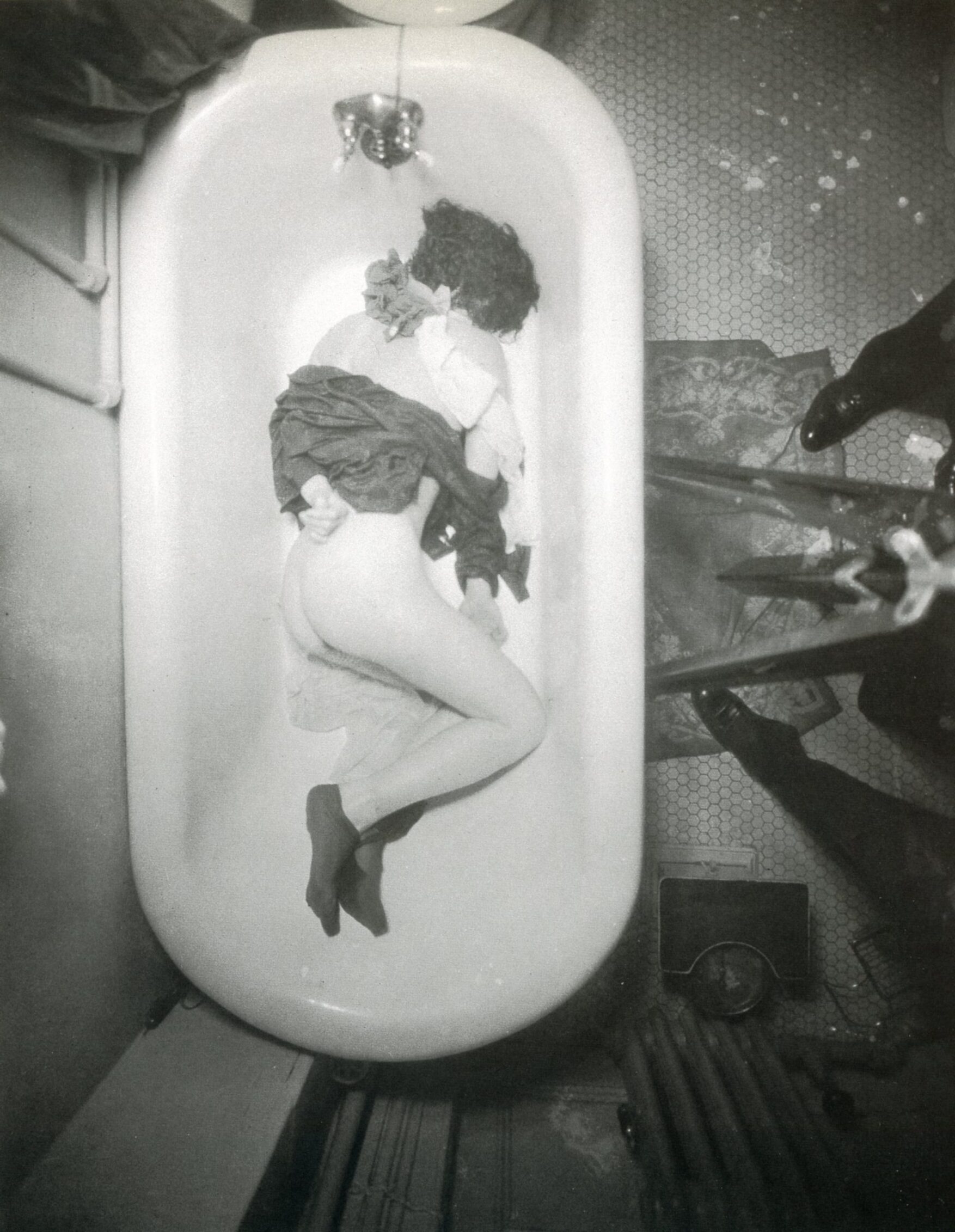
The murder took place on April 10, 1936, at a fashionable Manhattan address, 22 Beekman Place. The victim was a writer, thirty-four years old, married to an NBC executive. The story of the murder appeared on the front page of The New York Times. The police found no sign of forced entry, but evidently there had been a struggle: the woman’s clothes were torn off, and her own pajamas were used to strangle her. She seemed to have been killed in the bedroom, then deposited in the bathtub. There was no mention of rape, but this was 1936 and the paper was the Times.

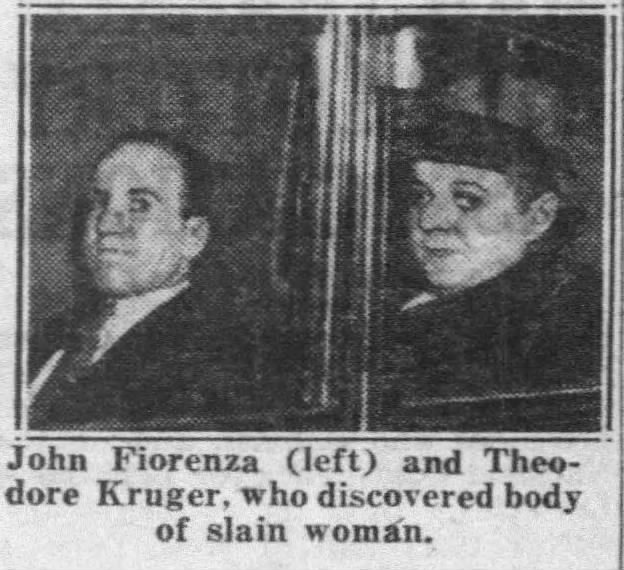
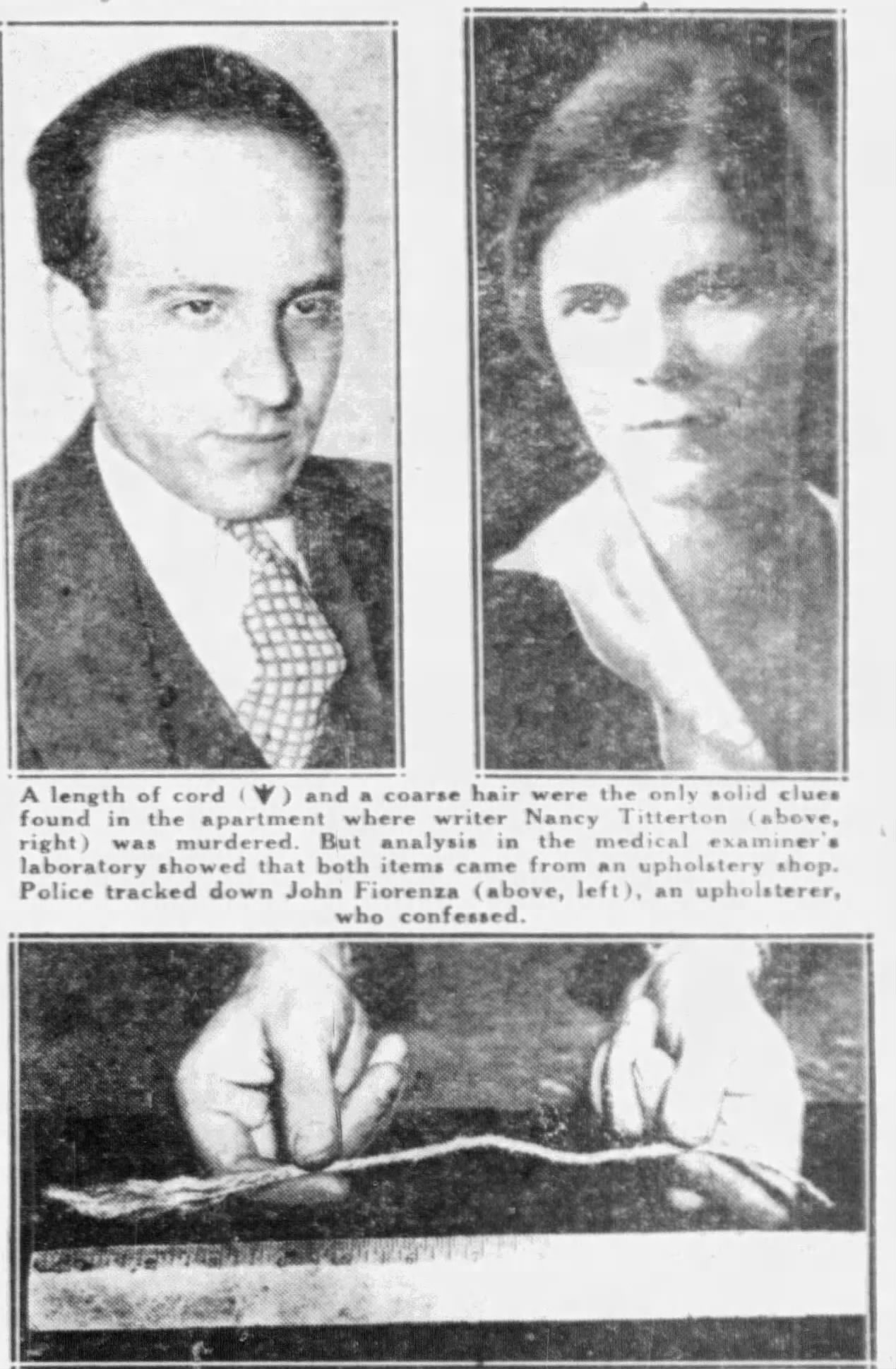
Twelve days later, a suspect was arrested: an ex-con who had upholstered a chair for the victim and who with another man “discovered” the body when they delivered a couch to the apartment later on the day of the murder. John Fiorenza, twenty-four years old, was found guilty of first-degree murder and sentenced to death.

Culled from: Shots in the Dark: True Crime Pictures

I found more details from the April 11, 1936 issue of the Daily News:

NBC EXECUTIVE’S WIFE SLAIN IN BEEKMAN PLACE

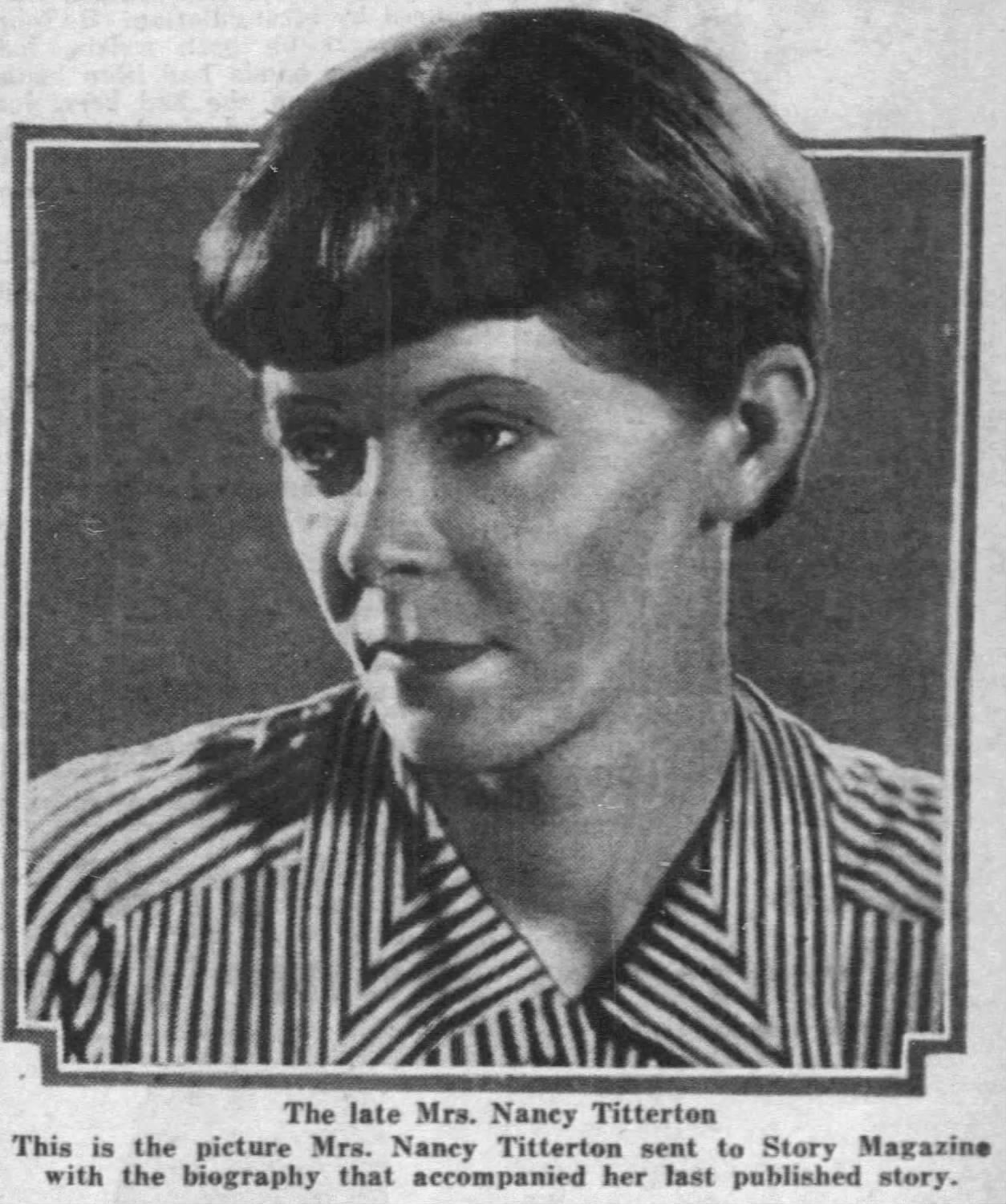
The talented wife of a National Broadcasting Company executive was bound, strangled and flung into a bathtub yesterday by a powerful cat-like killer who invaded her boudoir at fashionable 22 Beekman Place. She was Nancy Evans Titterton, 33, brilliant short story writer and founder of a detective story club.

The club published mystery novels, and as editor-in-chief Mrs. Titterton read hundreds of such stories, but the enigma of her own death outrivaled fiction.

In a search for clues police questioned twelve persons last night without success. They included Mrs. Titterton’s husband, three friends of the family, the janitor of the apartment house and his assistant, a colored man who was seen near the building late in the afternoon, two furniture delivery men, and four painters who worked in the building yesterday and the day before.

In a rich setting which belied the grimness of the tragedy, the murderer seized his victim; ripped most of the clothes from her body and flung her on a bed. Whether he attempted to attack her will not be learned until an autopsy is made today.

Struggles Enrage Killer.

Her silent struggles apparently enraged the killer. He tied her hands with a piece of cord. He seized a red blouse and the top of the young wife’s pajamas. He wound them around her neck, knotted them, strangled her to death. Then he tossed the body into a bathtub empty of water.

Only three material clues were left behind. One was the fingerprints of the killer smeared on the tiling of the bathroom wall. Another consisted of his footprints on the coverlet of the bed. A third was an ordinary fountain pen of the type sold in 5-and-10-cent stores.

Still another lead was obtained by police from a Mrs. Bath, a widow who lives with her daughter, Marion, next door, to the Titterton’s apartment house. She saw a “plug ugly” loitering outside the building at 3 P.M., Wednesday. She gave police a good description of the man, and later will be asked to look at pictures in the rogues’ gallery.

The red-haired young wife was known to be alive at 11 A.M. At that hour she talked with Mrs. F. R. Mansbridge of 12 St. Lukes Place, a friend, and discussed the clothes they planned to wear at a dinner tonight.

Two hours earlier, at 9 A.M., Mrs. Titterton saw her husband off to his work as head of the continuity department of the NBC. He is L. H. (Lou) Titterton, an honor graduate of Cambridge and Harvard, whose literary achievements rivaled his wife’s.

Sometime after 11 A. M. the murder was committed. It was done so silently that none of the other tenants, each renting a floor in the expensive building on one of Manhattan’s choicest streets, heard a single suspicious sound.

Noose About Neck.

At 4:30 P.M. Theodore Kruger of 617 Second Ave. and John Fiorenza of 1601 65th St., Brooklyn climbed the stairs with an upholstered chair ordered by Mrs. Titterton. The door was ajar, but no one answered their ring. The men walked in, set down the piece and looked about for Mrs. Titterton.

The open bathroom door attracted their attention. Inside, they saw the body. It had been tossed in the tub and no effort made to straighten the crumpled form. The knees were bent at a distorted angle. One arm was under the body, the other outstretched. The makeshift noose still remained around the neck. All the clothing consisted of a tattered slip and a pair of stockings.

Dr. Thomas A. Gonzales, medical examiner, said death was caused by strangulation. He found red marks on both wrists, indicating her hands had been bound. In his opinion she had been dead between five and six hours when found.

Footprint Slight.

The cheerful bedroom, with its maple twin beds, at first glance appeared to be undisturbed. A brassiere and skirt lay on the foot of one bed, almost as if Mrs. Titterton had placed them there herself. But the brassiere was torn—ripped from her body by the murderer. And on the coverlet of the bed police later found a muddy footprint.

Near the footprint was a slight displacement. It was here, according to Inspector Francis Kear, that the killer apparently flung the woman, perhaps leaping on the bed to do so. Kear thought it certain that a criminal attack was planned, but Dr. Gonzales doubted whether it was carried through.

There was no indication that robbery was a motive. A platinum wedding ring was left on Mrs. Titterton’s finger. Other obvious valuable were not touched, although a sum estimated at $5 that she should have had was unaccounted for. Her husband said he had given her $10 on Thursday to pay a part-time maid and for other household expenses. He thought she had not spent all of it. If the small sum was taken, police though, the murderer might have been a petty thief surprised in the act.

Her husband almost collapsed when brought to view the body. Recovering himself, he pointed to an unlocked bathroom window.

“We just didn’t bother to lock it,” he said. The window was open, and the killer might have come and gone by the fire escape just outside.

Police also learned that Mrs. Titterton was in the habit of opening her apartment door when the bell rang without first waiting to ask who was there. They also learned that the latches and locks were not all in alignment and some of the doors closed with difficulty. They said it was possible the door did not catch when Mrs. Titterton closed it after her husband left.

The murder itself was an ironic commentary on the writer’s life. The Tittertons formerly lived in an apartment on W. 49th St., in the Hell’s Kitchen district.

“What a relief it is to move to Beekman Place,” she told her intimates. “It’s grand to live in a safe neighborhood. We had to have bars on our windows in Hell’s Kitchen.”

A pretty, fresh-looking little woman, who loved to dress in tweeds and sports clothes, Mrs. Titterton was described by her friends as “a marvelous, unaffected person.” She was very quiet and self-controlled. At literary teas, where notables gathered, she always chose to stay in the background.

Last August her latest published work appeared in Story Magazine. “I Shall Decline My Head” was its title.
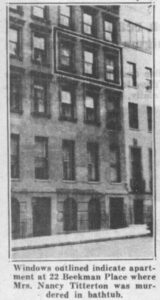

I looked up 22 Beekman Place on Google Maps, but the building that is stand there now is not the same building as shown in this photo.  Apparently the current building was built in 1957 and it’s very ugly.  Pity.  

In the end, it was a length of cord and a horse hair left at the scene that fingered the murderer.  From the Daily News, March 16, 1975:

… Meantime, detectives were working on the piece of cord Gonzales had lifted from the bathtub. Analysis showed it be made of low-grade Italian hemp, some ixtle (a tropical fiber) and jute. Twenty-five American companies made this sort of cord and detectives were checking them all.

From the crime lab, police brass learned that on the bed near the bathroom had been found a hair thicker than human hair, apparently that of an animal, and that research was continuing to establish precisely what it was.

A cordage company in York, Pa., reported that it may have made the twine and added, significantly, that it was the kind of cord used by upholsterers. On top of this, the research lab reported that the hair found on the bed was a horse hair. Horse hair was used by upholsterers in stuffing furniture.

Investigators were dispatched to see upholsterer Theodore Kruger. Where was  he on the morning of April 10? In his shop. What about his assistant, young Fiorenza?

“He was late that morning,” said Kruger. “He phoned to say he would be late because he had to report to his parole office downtown.” Fiorenza had a record as a burglar and a petty thief.

“When he did finally arrived at the shop, did Fiorenza say he’d seen his parole officer?” one investigator asked. Kruger said, “Yes.”

That meant that Johnny Fiorenza was a liar. Because the murder occurred on Good Friday and the parole office was closed that day.

Police questioned Fiorenza and 16 hours later announced he had confessed.  He was booked just 10 days after the murder.

Police said that he told them that when he and Kruger first called for the love seat April 9, the sight of Mrs. Titterton, attractive, small, vulnerable, alone in her apartment, stirred him. He went there next morning, with some upholsterer’s cord, and when she opened the door, he said he wanted to see where she wanted the couch placed.

He was quoted as saying that he followed her into the bedroom and there he pounced. She didn’t scream; terror may have made her mute. He assertedly tied her hands and ripped off her garments and, to prevent outcry, stuffed her pajama legs into her mouth, and he assaulted her as she struggled. Later, it was said, he knotted a slip to the pajama top and looped it around her neck.

He reportedly told police that he put her in the tub and turned on the faucet and the tub filled partly but he couldn’t find the stopper. He cut away the bonds. But he left behind the cord and that, along with the horse hair, trapped him.

…. On the evening of Jan. 21, 1937, as he sat in a cell in Sing Sing’s Death House, Fiorenza said: “I’m sorry I caused my mother all this trouble.”

They came for him later that night and led him to the electric chair. He seemed quite calm. A priest stood beside him and prayed and then held forth a cross and Fiorenza kissed it.

Robert Elliott, the famous electrician-executioner, dropped the hood of death over Fiorenza’s head and a moment later dynamos whirred. The convicted killer of Nancy Evans Titterton was pronounced dead at 11:12 p.m.

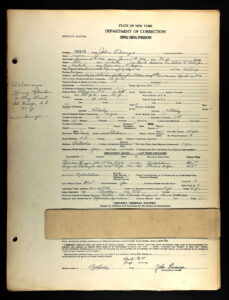
And here’s the Sing Sing prison record for Fiorenza.
 

Andersonville Prisoner Diary Entry Du Jour!

This is the continuation of the 1864 diary of Andersonville prisoner Private George A. Hitchcock (see the archived version for all entries up until now).

Here’s today’s entry:

October 6th. Cloudy and rain. My sleep was broken by teethache. I trade away my ration of meal for beans, which I eat as dry as possibly to check the progress of scurvy. Rations to-day of bread, beans, bacon, beef, and molasses, just enough to keep life in the lice and fleas, which companions in misery stick closer than brothers.

Culled from: Andersonville: Giving Up the Ghost

MFDJ 01/15/24: Chipman’s Fall

Today’s Careless Yet Truly Morbid Fact!

Mine Inspector’s Report

for

HOUGHTON COUNTY, MICHIGAN

FOR THE
YEAR ENDING SEPTEMBER 30, 1902.

JOSIAH HALL, Mine Inspector.

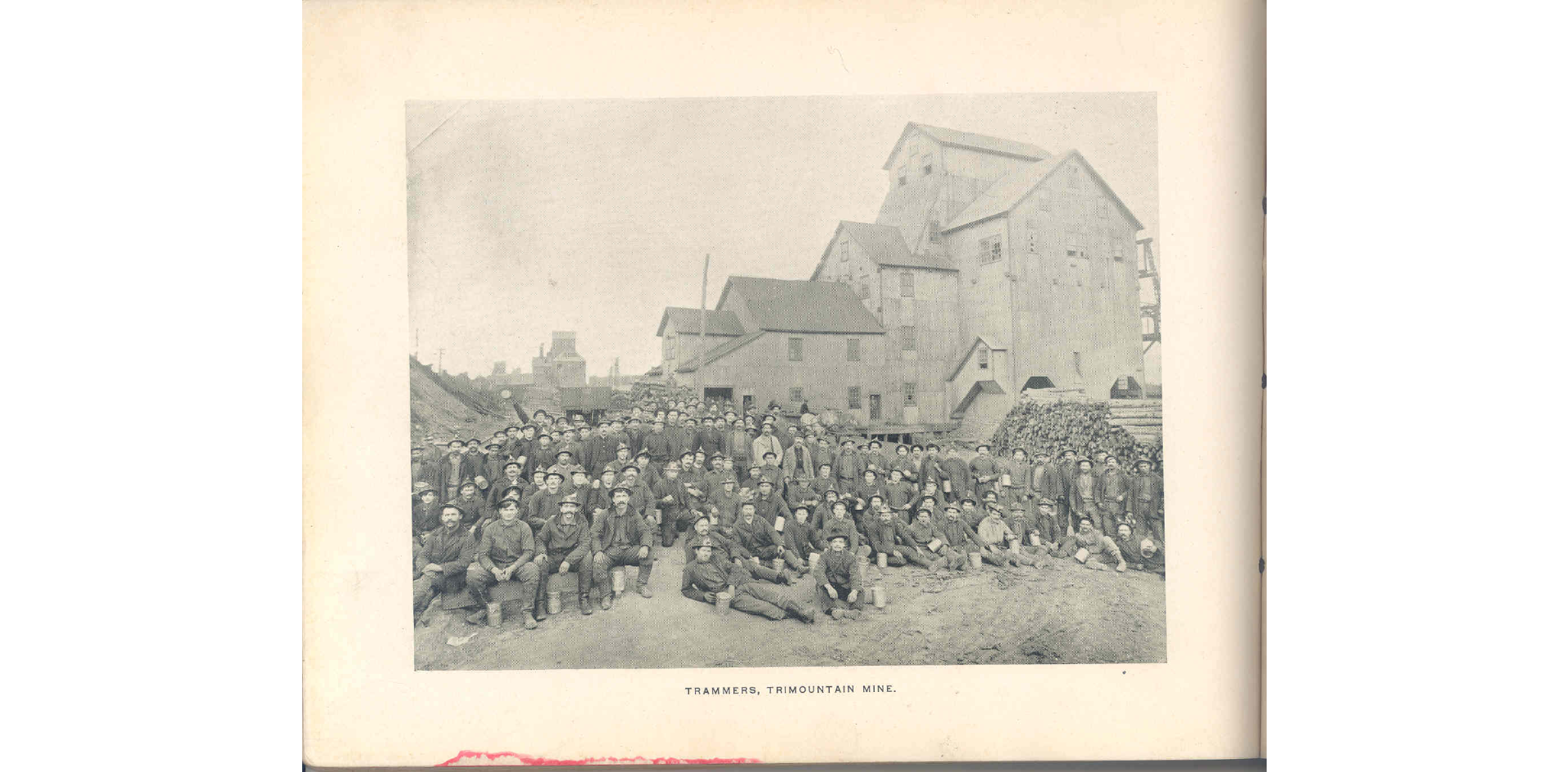
ACCIDENT No. 47. Sept. 10—Alfred Chipman came to his death by falling from the second to the seventh level in the north compartment of No. 1 Shaft at the Trimountain Mine. From the evidence given at the Coroner’s inquest held before Coroner Brand, six miners were going down the shaft in the skip with Chipman, and when the second level was reached he got out of the skip and climbing over the guard rail fell down the north compartment of the shaft, disregarding the warnings of the miners. John Murphy being duly sworn testified as follows:—”I am a timberman employed by the Trimountain Mining Company. I was working with Alfred Chipman at the time of the accident. We had just gone down in the skip to land timbers at the second level and we all got out of the skip on the south side of the Shaft but Chipman. I went across to the north side of the Shaft and I heard someone holler, ‘Look out don’t go in the shaft.’ I looked and saw Alfred Chipman drop into the shaft.” Frank Dodge testified as follows:—”I am a timberman for the Trimountain Mining Co. I went to surface at 12 o’clock and we had orders to go down again. We were told to go in the south skip. Then we rode down to the second level of No. 1 shaft on the south side of the shaft. We all got out of the skip excepting Alfred Chipman. He went to get out on the north side. I turned around and saw him and said, ‘Alf don’t get out there.’ He was climbing the fence between the two compartments of the shaft and just as I spoke to him he let go the railing and fell into the shaft. The fence is put between the two skip shafts for protection so that no one shall fall into the shaft. In my opinion it was purely carelessness on Chipman’s part.”

Charles Richard testified:—”We were going down in the skip to the second level of No. 1 shaft and we all got out on the south plat except Alf Chipman. He went to get out on the north side and I heard Frank Dodge speak to him and tell him to be careful. I looked around and saw the deceased fall into the shaft.” Three other witnesses’ testimony was the same as that given by the first three who testified.

Verdict:—”We, the jury, find that Alfred Chipman came to his death by falling down the north compartment of No. 1 shaft at Trimountain Mine; caused by getting out of the skip on the north side and climbing the guard rail between the north and south compartments to do so Death occurred accidentally. Dated the 16th day of Sept. 1902.”


Employees at the Trimountain Mine

Culled from: Some Fatal Accidents in the Atlantic, Baltic, Champion, Trimountain and Winona Copper Mines

Sexual Criminal Du Jour!

The Sexual Criminal is a 1949 criminology textbook written by infamous Los Angeles County criminal psychiatrist J. Paul De River that is jam-packed with all the sexism and homophobia common to its era.  I thought I’d share some of the case studies with you.

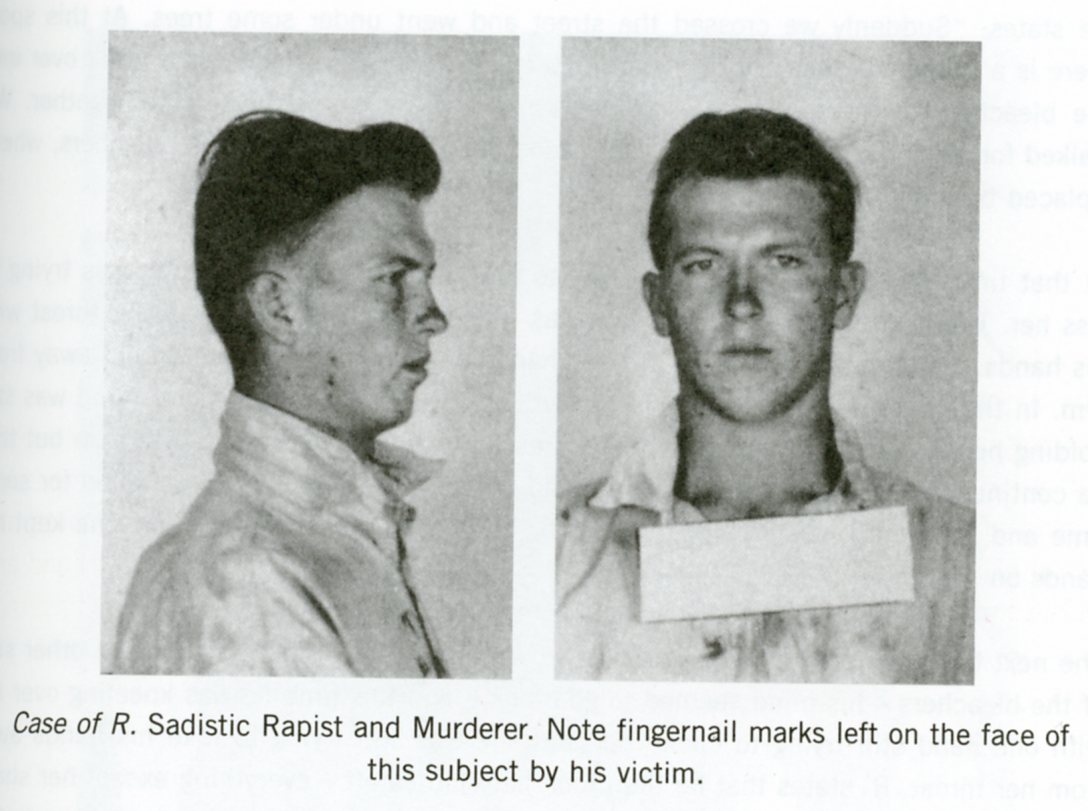
Case R.
Case Study 107, R., age twenty-one, white male; at the time of arrest, he was in the armed forces. He has graduated from high school.

Family History: His father and mother are living and well. He has six brothers and two sisters. He states that his parental aunt was in a mental institution at one time, but that she was cured and has been released. Other than this there is a negative history of insanity and epilepsy and all constitutional diseases.

Past History: Masturbation began in very early childhood; he thinks he started about the age of five. He uses alcohol and tobacco, but denies the use of narcotics. At the age of eighteen, he began living with a girl whom he now claims as his common law wife. They have a four month old child. He states his home life was happy. He had an excellent reputation, as far as criminal record is concerned. There is a negative history of venereal infection.

Somatic Examination: This subject is a well-nourished, powerfully muscular type, or schizothymic physique. Height 6′; weight 195 lbs., blond hair, blue eyes; egg-shaped face, angular profile. The face and neck reveal many scratches. The skin has been lacerated and scratched over the bridge of the nose and about the nasal tip. There are a number of fingernail scratches under the chin. The corners of the subject’s mouth and the second and third fingers are bruised. The back of both hands show many fingernail scratches. The glandular, vascular, bony, and genito-urinary systems are negative. The glans penis shows a redness and inflammation around the meatus and about the corona. There is much dried blood covering the penis and embedded in the pubic hair. His shorts, shirt and the inner side of his trousers are stained with blood and semen. The pupils are slightly dilated but react to light and accommodation. The superficial and deep reflexes are present with a slight increase in knee jerks. There are no alterations in the sensations noted. His gait and posture are normal.

Psychic Examination: He is well orientated as to time, places, dates, and persons. He performs the backward and forward test normally, and the test for the opposites correctly. He does not dislike anyone and he states that he gets along very well with people. He has no illusions, delusions, or hallucinations. He frequented night club and cocktail bars where it was not unusual for him to pick up with some young girl. He often boasted of his sexual conquests. He was a good dancer and the girls liked him.

Statements Relative to His Present Offense: R. states that he picked up the young girl victim, as she was waiting for a bus about midnight, and offered to walk home with her. She accepted his invitation. As he walked home with his victim, she told him her name, and they carried on the usual conversation.

He states: “Suddenly we crossed the street and went under some trees. At this spot, there is a school stadium. I put my arm about her waist and asked her to walk over into the bleachers  in the stadium, and she consented. We entered the gate together. We walked for some little distance and then stood under a lamppost by the bleachers, where I placed both my arms about her waist.”

At that time, R. states that the girl tried to pull away from him while he was trying to kiss her. The next thing he remembered was when he grabbed her about the throat with his hands. He states that the girl put her hands on his arms and tried to get away from him. In the struggle they both fell to the ground; he was on top of the girl and was still holding her throat and choking her. He states that the girl was trying to scream but that he continued to choke her so that she could not. R. states the fight continued for some time and his victim was trying to kick him. They continued to wrestle and he kept his hands on her throat.

The next thing he remembered was that he was on the concrete steps on the other side of the bleachers — his mind seemed to go blank — and this time he was kneeling over her with one hand still trying to choke her and she was still trying to take his hands away from her throat. R. states that he then took her clothes off — everything except her shoes and stockings. The girl suddenly went limp and ceased struggling and he proceeded to have an act of sexual intercourse with her. He states: “She did not resist my advances because she was unconscious and she did not move. She may have tried to move her hands a little.

“Suddenly she seemed to come to and tried to scream and then I hit her on the head a couple of times and picked her up and slammed her head against the cement.” When asked how he hit her head on the cement, R. states, “I picked her up by the hair and threw her head down. I struck her with my fist first and then threw her head down. After that she struggled and tried to get up. Then I bent over her and grabbed her hair and hit her head some more.”

Q. Did she make any sound?

A. She made a gurgling sound.

Q. And then what did you do?

A. I threw her head against the cement twice more.

Q. Did she move any more?

A. No, just made those gurgling sounds.

Q. Then what did you do?

A. I took some of her clothes and tied them in a knot around her neck.

Q. Did you try to tie them tightly?

A. I did, but not tight enough.

Q. And then what did you do?

A. I sort of got scared — she was still making those noises. The next thing I recall was pushing her through the iron bars away from the steps which lie inside the bleachers.

Q. Was she nude?

A. Yes, all except her shoes and stockings.

Q. Where did you take her then?

A. Up to the top of the bleachers.

Q. Was she struggling?

A. No, she had ceased to struggle.

Q. Then, what did you do?

A. I put her down to see if she were alive. I put my ear against her chest and I tried to listen to see if she was breathing.

Q. Did she seem to stir or regain consciousness?

A. No.

Q. Then what did you do?

A. I had another act of intercourse with her there.


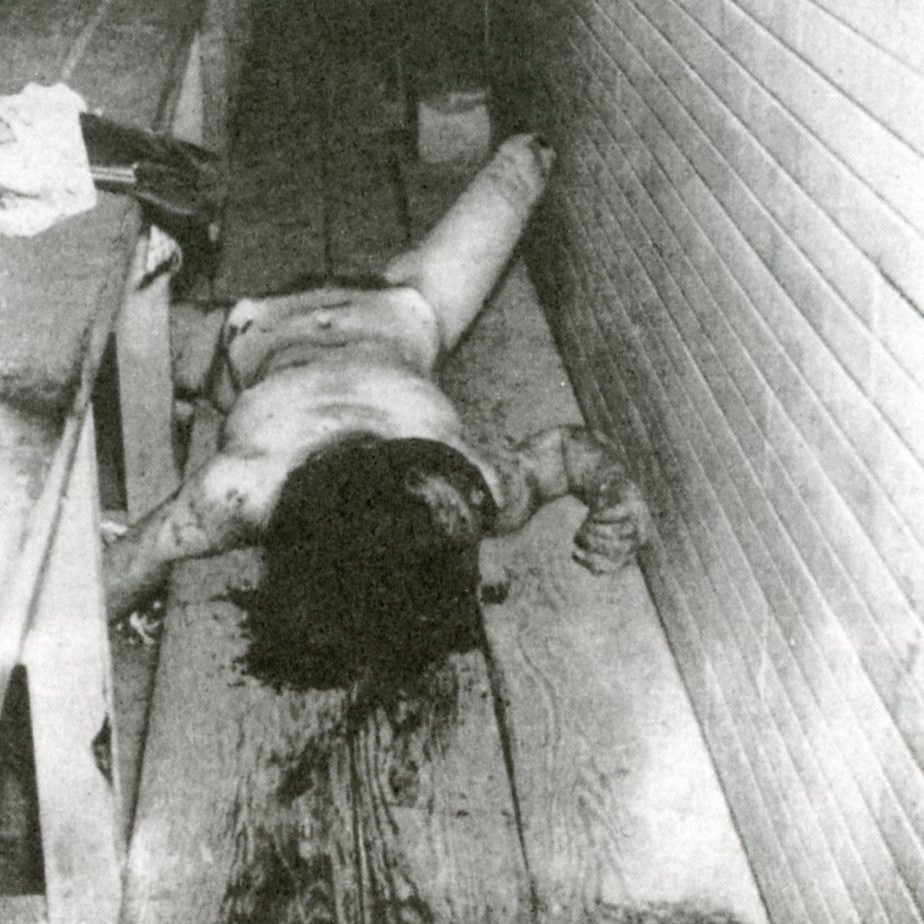
Note position in which the body was left after the attack.

Q. Did you know whether she was dead or alive?

A. No.

Q. Then what did you do?

A. I left after I had the act of intercourse and I knew I had done wrong and I asked some people to let me use their telephone and let me call the police; and I told them I had killed a girl.

Q. Then what happened?

A. They said they did not have a phone and so I went down the street and asked at another house.

Q. Then what?

A. They did not believe me when I told them I had killed a girl, but they called the police anyway.

Q. Did you wait there for the police to come and get you?

A. Yes.


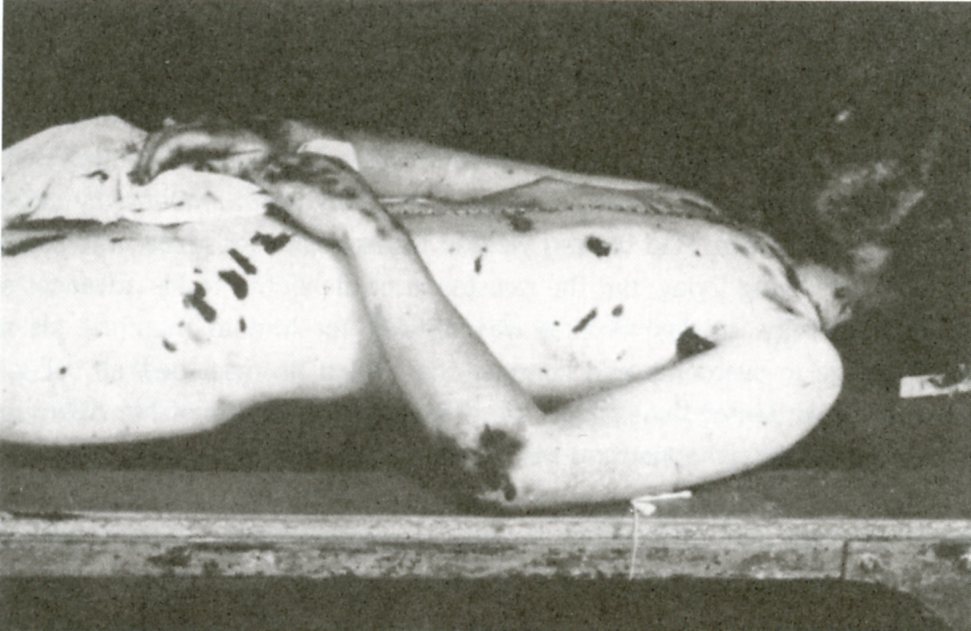
Note the condition of the body after the attack. Multiple contusions about the face, head, arms, hands, and legs. The left nipple was bitten off and swallowed by the attacker.

Analysis and Conclusion: In the analysis of this case, it is interesting to note the charge that occurred in this apparently genial and mild-mannered young man, who under the surge of the sex drive resorted to the brutal rape and killing of his victim. This youth is intelligent; at this time showing no signs of mental derangement and coming well within the confines of the term legal sanity. His acts of brutality were undoubtedly inflamed by the resistance of his victim. Had the girl yielded to his desire for sexual intercourse, very likely she would be living today; but the resistance of his victim to his advances seemed to pump up affectivity. It was all that was needed for him to manifest his sadistic impulses. The urge to overcome and conquer that which he most desired occupied the central stream of his consciousness and the mere thought or sign of his victim resisting him seemed to increase his anger and his desire for power and complete possession.

(This subject was tried convicted of first degree murder and sentenced to life imprisonment.)

Culled from: The Sexual Criminal

Andersonville Prisoner Diary Entry Du Jour!

This is the continuation of the 1864 diary of Andersonville prisoner Private George A. Hitchcock (see the archived version for all entries up until now).

Here’s today’s entry:

October 4th. Another load of prisoners went away this evening, among whom were [Alvin S.] Granton and [George V.] Barker of the 21st. Two shots were fired on the dead-line.

Culled from: Andersonville: Giving Up the Ghost
MFDJ 01/14/24: War Trophies of the Pacific

Today’s Savage Yet Truly Morbid Fact!

Eugene Sledge, fighting in the bitter World War II battle for Peleliu in 1944, was shocked when a friend of his removed a package from his combat pack and proudly unveiled his souvenir, a partly mummified human hand. Sledge was disgusted, as were the other marines who came over to see what was going on, and he told his buddy in no uncertain terms to get rid of it [boring people! – DeSpair], which he did, but not before Sledge had reflected on his own mortality.  “I thought how I valued my own hands and what a miracle to do good or evil the human hand is.” Sledge also questioned his reaction to seeing the hand in someone’s pack; after all, there were body parts everywhere they turned, and almost everyone collected human teeth, “but somehow a hand seemed to be going too far”. Teeth were impersonal, each one looked pretty much like any other. Teeth are rarely a person’s distinguishing feature, and once extracted they ware practically interchangeable, but  hand was different. A hand was fleshed  and organic, a hand had history and a personality. Sledge described his friend as a “twentieth-century savage” (albeit a “mild-mannered” one), but as far as teeth were concerned, he had “gotten used to the idea.”


American war trophies

Culled from: Severed: A History of Heads Lost and Heads Found

Crime Scene Du Jour!

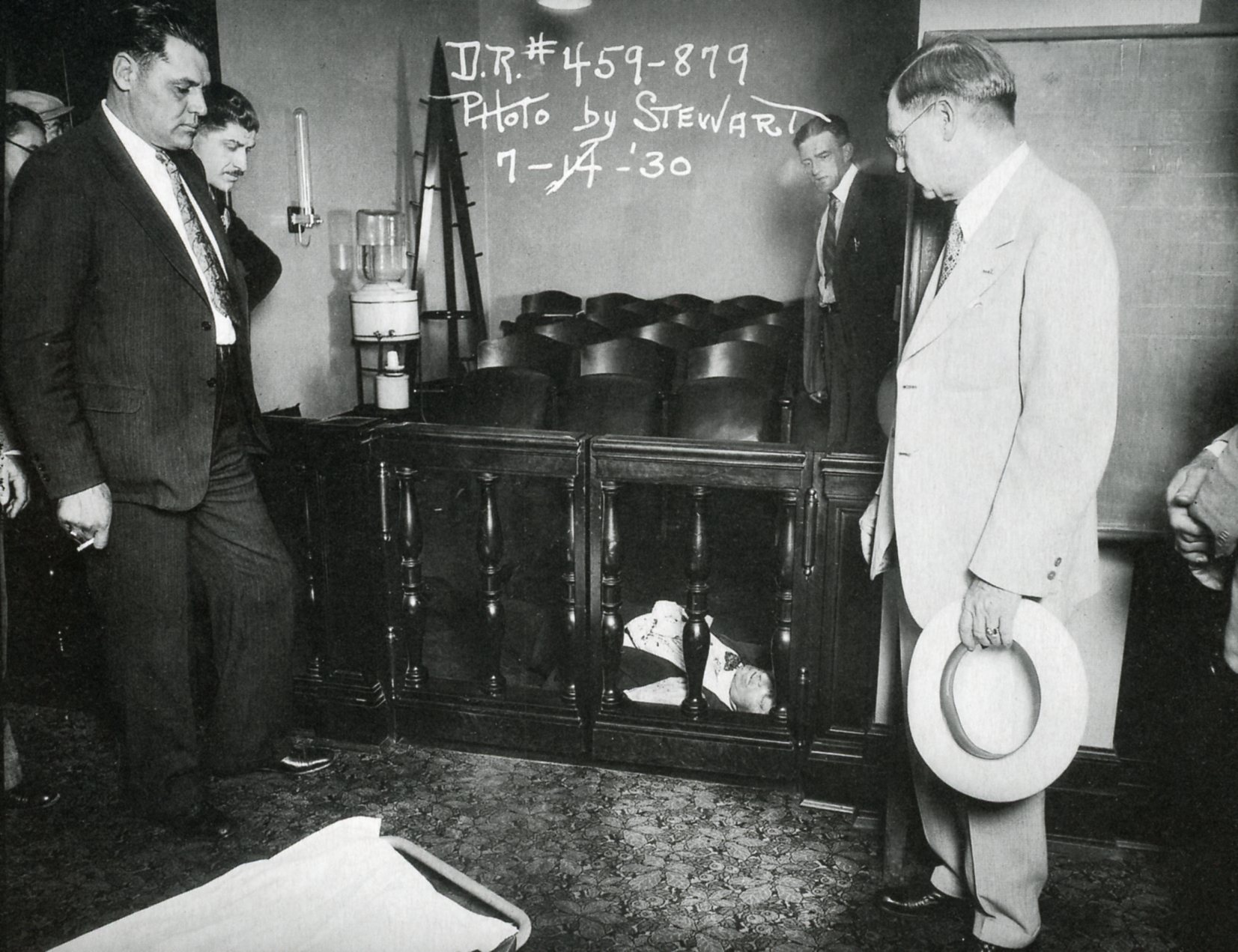
Photographer: Stewart. 07-14-1930.
Immediately after testifying as a witness in the case of Selznick vs. Pacific Southwest Trust & Savings Bank, prominent financier Motley H. Flint was returning to the spectators’ gallery when Frank D. Keaton, 58, gunned him down in the courtroom. The shooter, a real-estate man, was said to be angry over losing most of his money in stock investments. Though he may not have known the victim, police and doctors theorized he blamed bankers for the decline of the stock market.

Culled from: Scene of the Crime: Photographs from the LAPD Archive

Andersonville Prisoner Diary Entry Du Jour!

This is the continuation of the 1864 diary of Andersonville prisoner Private George A. Hitchcock (see the archived version for all entries up until now).

Here’s today’s entry:

October 3d. Heavy showers. Several men went to work on their parole of honor as teamsters, choppers, etc.

Culled from: Andersonville: Giving Up the Ghost
MFDJ 01/09/24: Driven Mad By Hunger

Today’s Animal-like Yet Truly Morbid Fact!

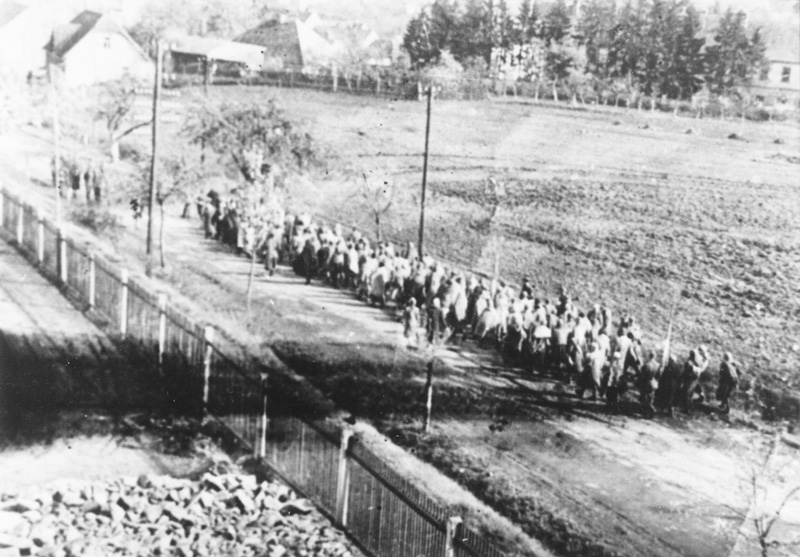
On March 16, 1945, the Nazis liquidated the death camp at Spaichingen, located in southwestern Germany, about twenty miles north of the Swiss border. Joseph Freeman and thousands of other inmates began a six-week death march ordeal that ended in the city of Fussen in southern Germany. Joseph’s story is documented in the book The Road To Hell: Recollections of the Nazi Death March. The following is a brief excerpt from the book, discussing one month into the march.

Ever hungry and shaking from the cold, we continued to trudge along the highway. When the Unterscharfuehrer took over command of our group, things got worse for us. We didn’t get rations on a daily basis. The little food we received was barely enough to keep us alive. The SS was trying to starve us to death. Every other day we would get a small piece of bread and a cup of cold water. No more hot water. After a sleepless night in the open, we waited to receive this little morsel of bread and a few precious sips of water. Some mornings we were disappointed; we waited for our rations but instead the SS forced us to move out onto the main road.

Tired and shivering, we could hardly move but we had to. Again, so many of us could not make it anymore. We left many stiff bodies, frozen in the place of our night’s rest. The SS did not care any longer. they rushed us out. No time to look back. We dragged ourselves out on the road for another day of misery. We had been moving slowly, the same routine, one foot in front of the other. We pushed our bodies forward, one supporting another. No more walking in groups of hundreds. The Kapos walked with us, no longer at the head of the group. The SS took over and pushed us to move along. The hitting lost its effect. People got used to being beaten. The SS  hit the fallen prisoners. When this did not help they killed them and pushed their bodies into ditches on the side of the road. We did not care anymore. We had been walking half asleep. I was holding onto Chaim and he was holding onto me. We found a way to sleep and walk at the same time. I would close my eyes for a few minutes, slowly pushing my body forward, then Chaim would close his eyes while walking for a few minutes. It was a parade of moving shadows. Thirsty, our lips began to crack. My tongue was so dry I felt I was choking. It became impossible to swallow. We were moving and sobbing, afraid to stop. Death was now following us. So many of us had been killed by the SS. For them, this was routine. Time was moving so slowly. When you suffer, every second is long.


Nazi death march to Volary, 1945

Another day was coming to an end. It was getting dark. Again the SS ordered us off the main road. Again there was an open field. As I looked back I saw our group getting smaller. Exhausted and famished, we could barely move. We crawled to the front of a large building. The SS ordered us in. I grabbed a few handfuls of grass and quickly put it in my pocket. Chaim had the opportunity to grab a few pieces of ice from the frozen ground. Once inside, we covered ourselves with blankets. I pulled out a few blades of grass and mixed it with the melted snow. We swallowed this strange mixture, but still our hunger kept us awake. The night, so miserable and terrible, lasted forever. Insects were eating their way into our clothing, but the cold and hunger were worse than the bugs. We were constantly coughing and sneezing. Unshaven, disheveled from the same clothes we had been wearing for weeks, we began to look like monsters. Gradually, we began to behave like animals, hopeless beasts at the mercy of butchers, waiting to be slaughtered without emotion.

The nights were the worst. We were dying of hunger, yet for the SS who watched us there was plenty of food to eat. We watched them eat, which only made us more aware of our hunger. The SS stood around their warm fireplace and gazed upon us as we lay on the frozen ground, shaking and shivering from the cold. The guards were enjoying their cigarettes, eating and drinking vodka. This was unbearable for us; we were no longer human.

One particular moment will always stay with me, an episode which shows what hunger can do to a so-called human body. It was the night after a very long and painful day early in April. As always, the SS were standing around the fireplace, eating their rations. One officer became sick and went to the side of the road. He doubled over and began to vomit. Chaim and I had been lying on the ground, not too far from the fire. Chaim quietly whispered that he was going to go and pick up the food the soldier had just thrown up. I admonished him, “You cannot eat that. It is sour.” He turned to me and said, “I’m hungry. This is food.” He crawled over to where the soldier had thrown up and swallowed the vomit left on the ground. Chaim came back and after a while, he threw up too. Others had been watching what was going on. At the moment Chaim began to vomit, a few of the starving people, like wild animals, threw themselves on the liquid remains, devouring it in seconds. This is what hunger can do. You appear human, but you are not any longer. Hunger can transform you into something less than human. It was so terrifying to witness this. The SS had turned us into monsters and this was in April 1945, a few weeks before liberation. Not many of us lived to tell about the last moment of the living hell we suffered.

Culled from: The Road To Hell: Recollections of the Nazi Death March


Civil War Injury Du Jour!


Photograph No. 156. Recovery without an operation after gunshot fracture involving the right acetabulum and head of the femur.

Lieutenant James C. Strong, 38th New York Volunteers was wounded at the battle of Williamsburg, Virginia, May 6, 1862, by a conoidal musket ball which entered over the right sartorius muscle about four inches below its origin and made its exit near the right margin of the lower portion of the sacrum. Surgeon A. J. Berry, 38th New York Volunteers, examined the wound and found that the ball had deeply grooved the head of the femur and had fractured the upper rim of the acetabulum. A detached fragment of the rim nearly one and one-half inches in length, a part of it covered with articulate cartilage, together with portions of clothing, were extracted from the wound. On May 8 the patient was transferred by a steamer from Queen’s Creek Landing to the Hygeia Hospital at Fort Monroe. Here he remained until the 13th when he undertook a painful journey on a litter and reached his home in Buffalo, New York. The injured limb was semi-flexed and rotated inwards, the head of the femur being dislocated upon the dorsum of the ileum. Any attempt to place the limb in position produced such acute suffering that the effort was abandoned. For ten weeks there was profuse suppuration with burrowing of pus in the thigh and intense pain with chills, profuse perspiration and great prostration after which a very gradual amendment took place. On December 12, 1862, the patient was removed to Philadelphia and entered at the officer’s hospital at Cammack’s Woods where he was able to bear treatment by Buck’s method of extension by weights. Here a number of spicula of bone were extracted or washed from the wound. On January 6, 1863, the patient was discharged from hospital. On June 1 the wounds were nearly closed and he rejoined his regiment on crutches, and was mustered out with the regiment on June 22, 1863. On September 29 he was appointed Colonel in the Veteran Reserve Corps. He was subsequently brevetted Brigadier General. In July, 1866, when the photograph was taken, General Strong was in good health. His limb was shortened nearly five inches, but by the inclination of the pelvis and extension of the toes, he was able to walk with surprising ease and activity with or without a cane. The head of the femur was firmly ankylosed on the dorsum of the ileum. The cicatrices appeared sound.

Photographed at the Army Medical Museum

By order of the Surgeon General: GEORGE A. OTIS

Culled from: Orthopaedic Injuries of the Civil War


Andersonville Prisoner Diary Entry Du Jour!

This is the continuation of the 1864 diary of Andersonville prisoner Private George A. Hitchcock (see the archived version for all entries up until now).

Here’s today’s entry:

September 28th. Warm and comfortable last night. Drew rations of meal, beef, beans, wood, pork, salt, and molasses, which were dealt out to us in crumbs, drops, splinters, and teaspoonfuls. Three and a half detachments went out to-day.

Culled from: Andersonville: Giving Up the Ghost