Today’s Grisly Yet Truly Morbid Fact!
Alexander Gardner shook his head as he looked around for the best place to start. He was at Antietam Creek, in Sharpsburg, Maryland, on September 19 to photograph the battlefield two days after the battlefield two days after the battle of Antietam. The job was not going to be easy, although the main photographic problem—that of the movement of the subjects—was a non-issue. Dead men don’t move.
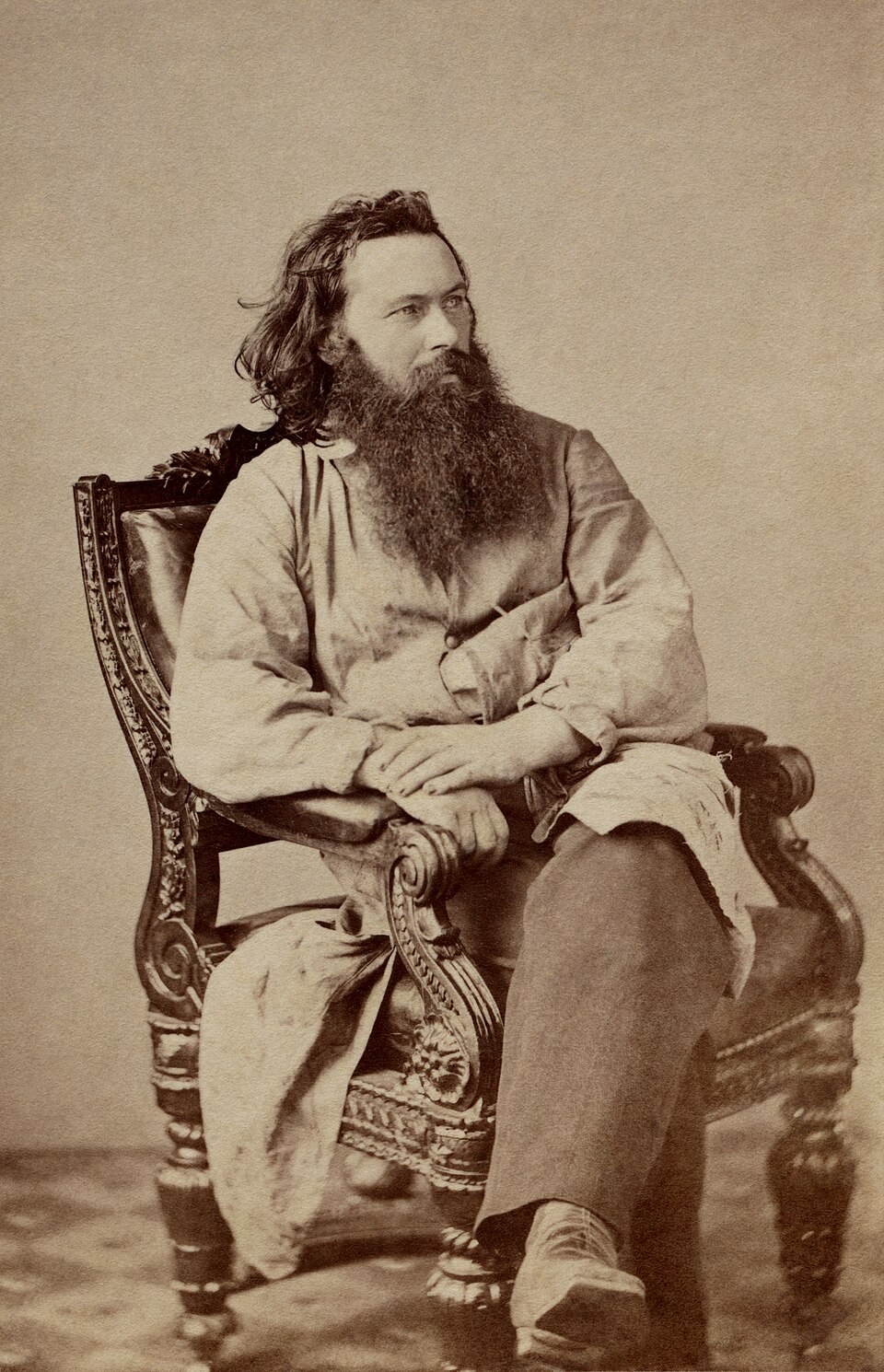
Alexander Gardner
Gardner’s employer, photographer Mathew Brady, had asked for at least 70 collodion plates to be made as quickly as possible—quickly, because in the heat and humidity of mid-September in southern Maryland, a corpse could go bad very fast.
The battle of Antietam, known in the South as the battle of Sharpsburg, was fought on September 17, 1862. Part of the Maryland campaign, it was the first major battle of the Civil War to occur on Union soil. It is also the bloodiest single-day battle in American history, with a combined count of 22,717 dead, wounded, and missing. Union Maj. Gen. George McClellan pursued and attacked Confederate Gen. Robert E. Lee’s Army of Northern Virginia, winning a narrow victory for the North.
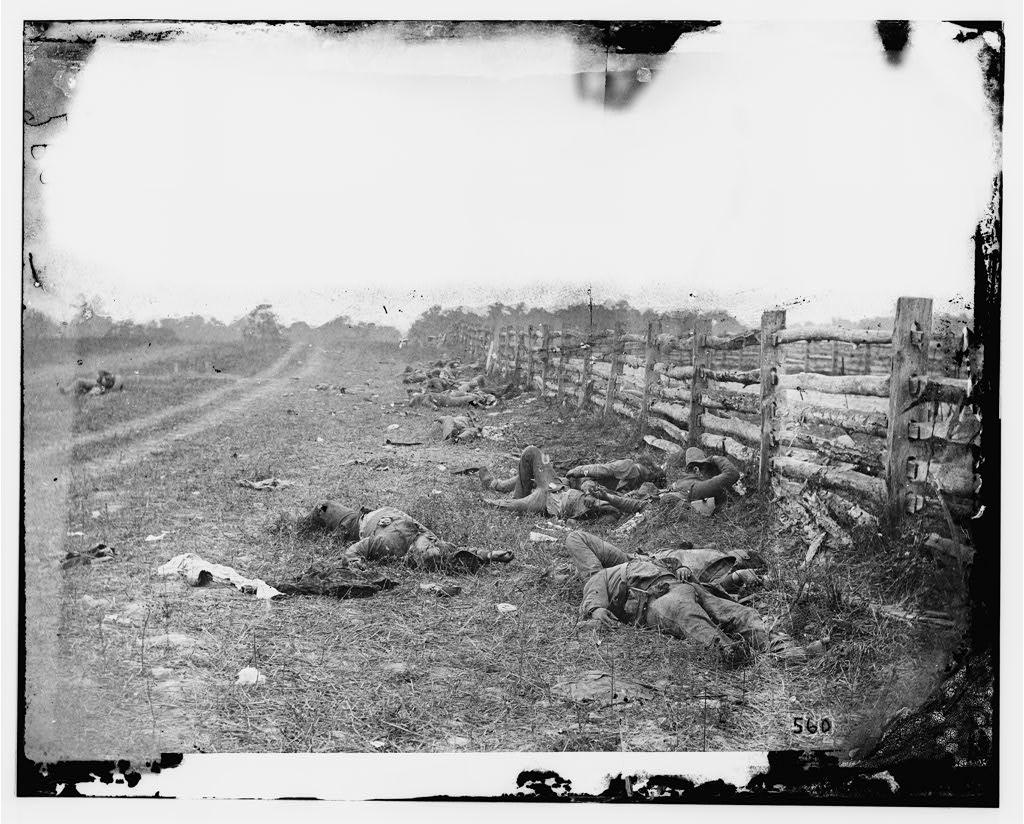
Gardner’s assistant, James F. Gibson, pointed out a probable location for an image, and the two men got to work. They moved across the battlefield, past the Dunker Church, through the Cornfield, across Burnside’s Bridge, down Bloody Lane, then back again. Union and Confederate dead filled the glass plates trundled along in the Whatsit Wagon, carefully driven by Alfred Foons, who had to dodge the burial details at their grisly work.
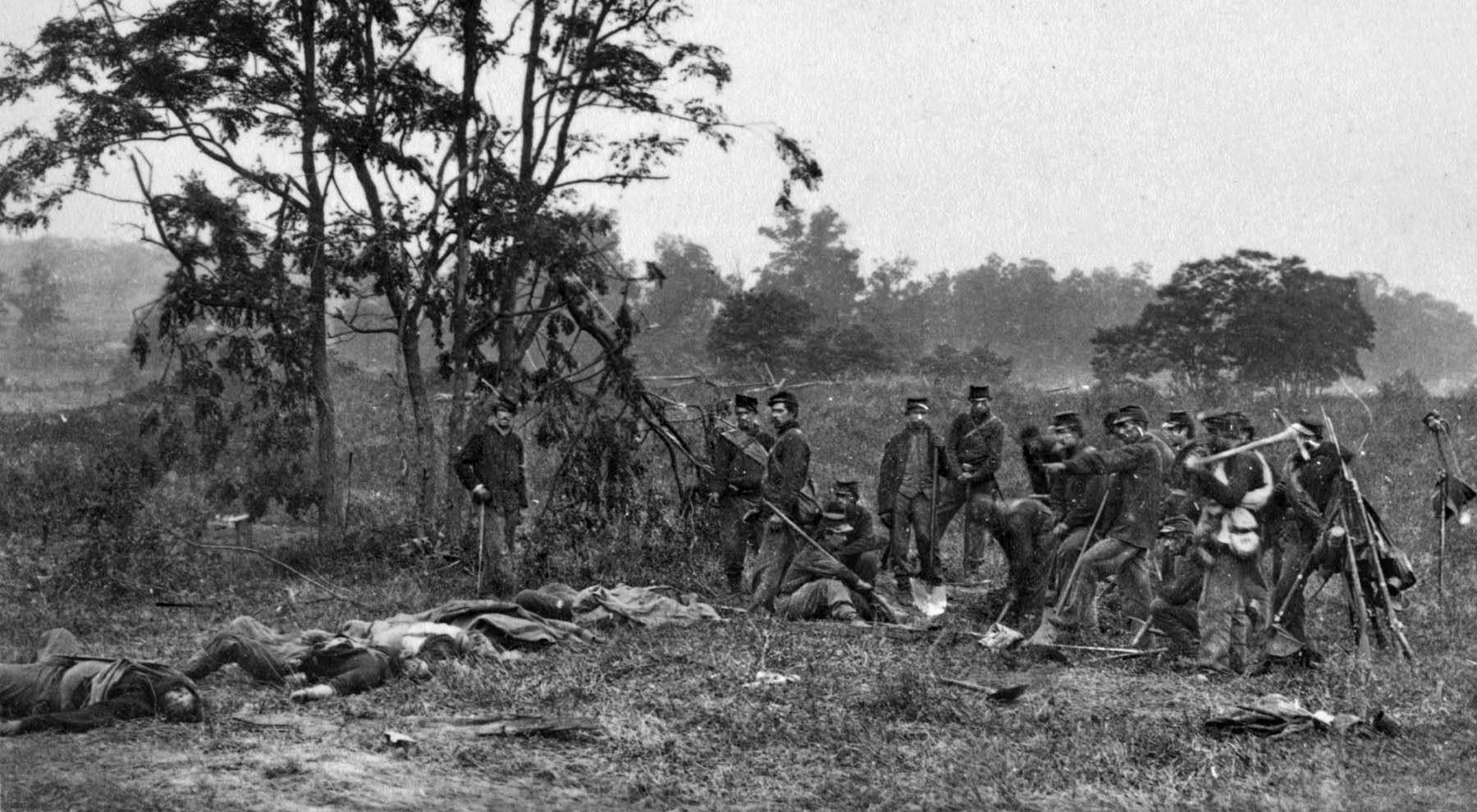
It was a good day’s work, but pretty bad as well. The stench was unbelievable, and it would get worse if there were any further delay. Sam Fletcher of the 15th Massachusetts wrote about his experience was part of a burial detail on September 18: “It was vey hot and the bodies were getting soft and it was very unpleasant… I tasted the odor for several days.”
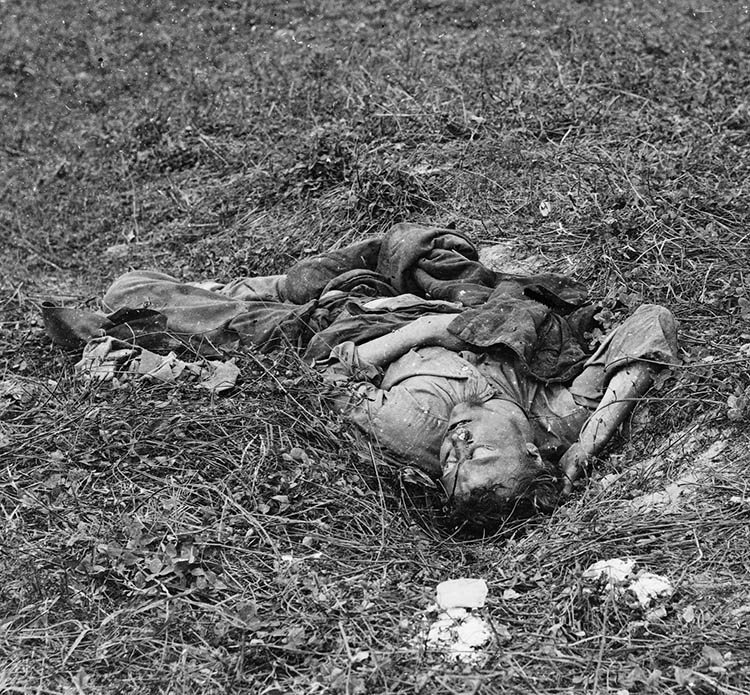
Weather showed little respect for the fallen. It had rained on both the living and the dead after the battle of Manassas and in between the two days of Shiloh. Now the sun was beating down on just under 4,000 dead soldiers. This number was, and still is, simply astounding. More Americans died on this battlefield than had died, or would ever die, on any one day in the nation’s military history.
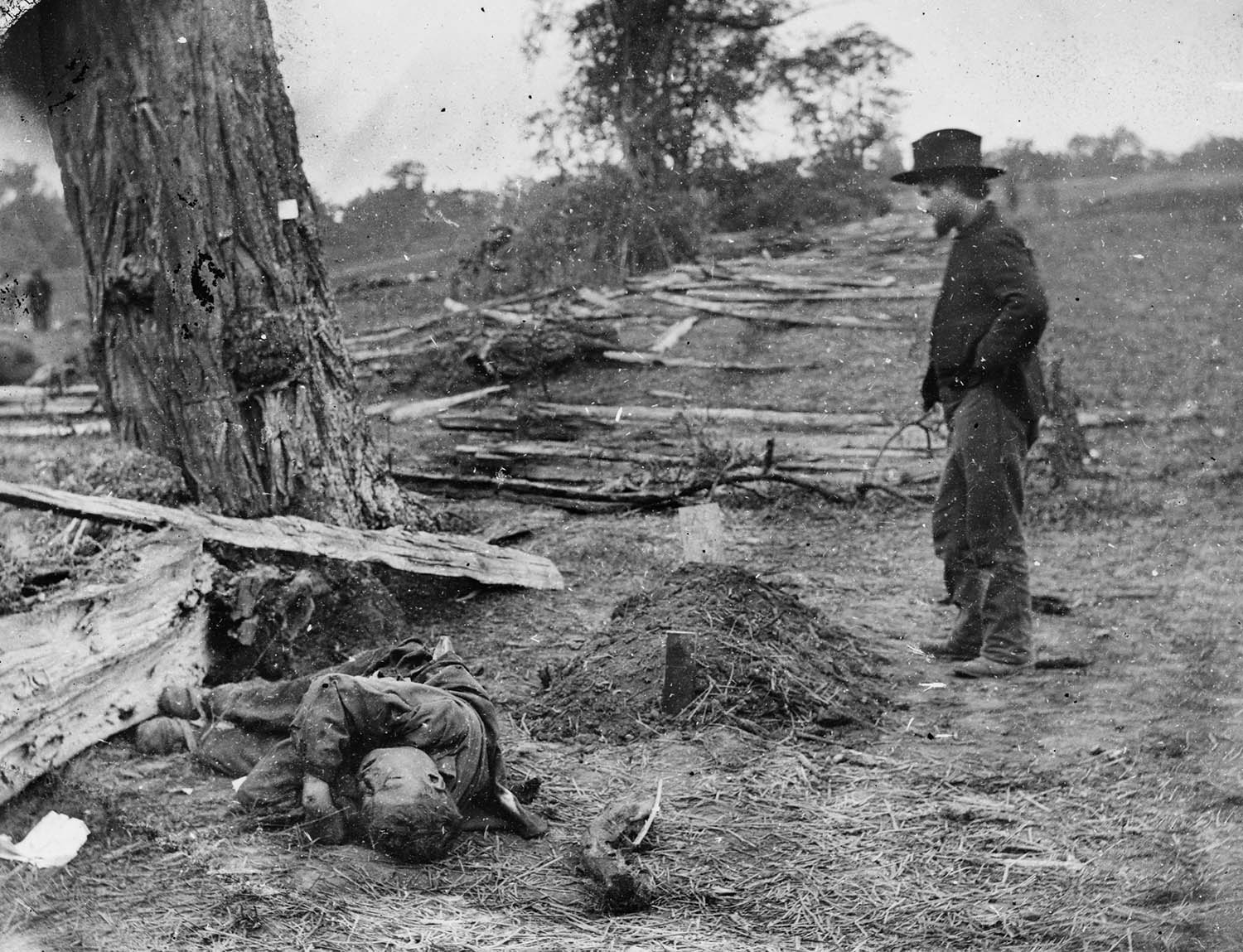
Soldiers such as Charles A. Hale of the 5th New Hampshire wrote to his wife on September 19, telling her, “What a bloody place was that sunken road as we advanced and the Irish Brigade fell back; the fences went down on both sides, and the dead and wounded men were literally piled there in heaps.”
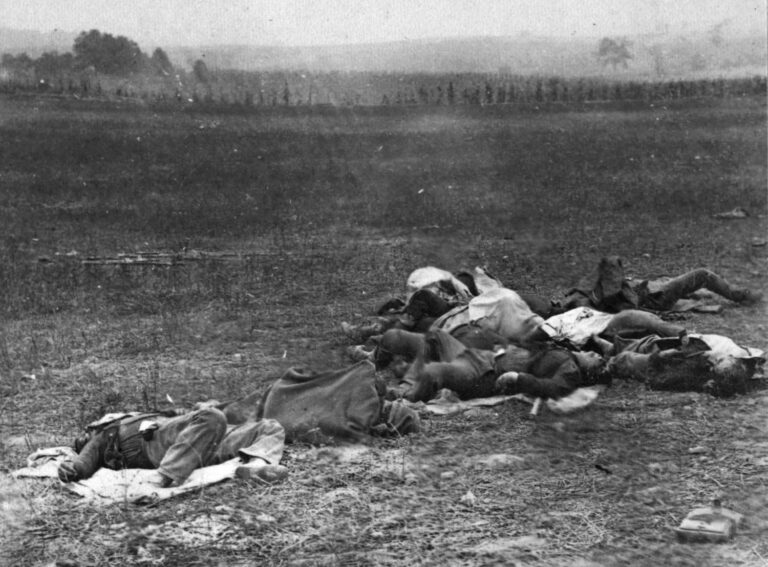
Gardner and Gibson moved from such ghastly groupings to individual men, memorializing the carnage of battle. They worked quickly, ducking under the hood behind the still camera, counting off seconds, then rushing the plate, still in its frame, back to the darkness of the little Whatsit Wagon for safekeeping.

Over two days, Gardner and Gibson took more than 90 images, then they drove back to Washington, D.C.
Culled from: The Aftermath of Battle: The Burial of the Civil War Dead by Meg Groeling
Arcane Excerpts: Melancholy
The Anatomy of Melancholy (full title: The Anatomy of Melancholy, What it is: With all the Kinds, Causes, Symptomes, Prognostickes, and Several Cures of it. In Three Maine Partitions with their several Sections, Members, and Subsections. Philosophically, Medicinally, Historically, Opened and Cut Up) is a book by Robert Burton, first published in 1621 but republished five more times over the next seventeen years with massive alterations and expansions.
The book is a medical treatise about melancholy (depression). Over 500,000 words long, it discusses a wide range of topics besides depression – including history, astronomy, geography, and various aspects of literature and science – and frequently uses humor to make points or explain topics.
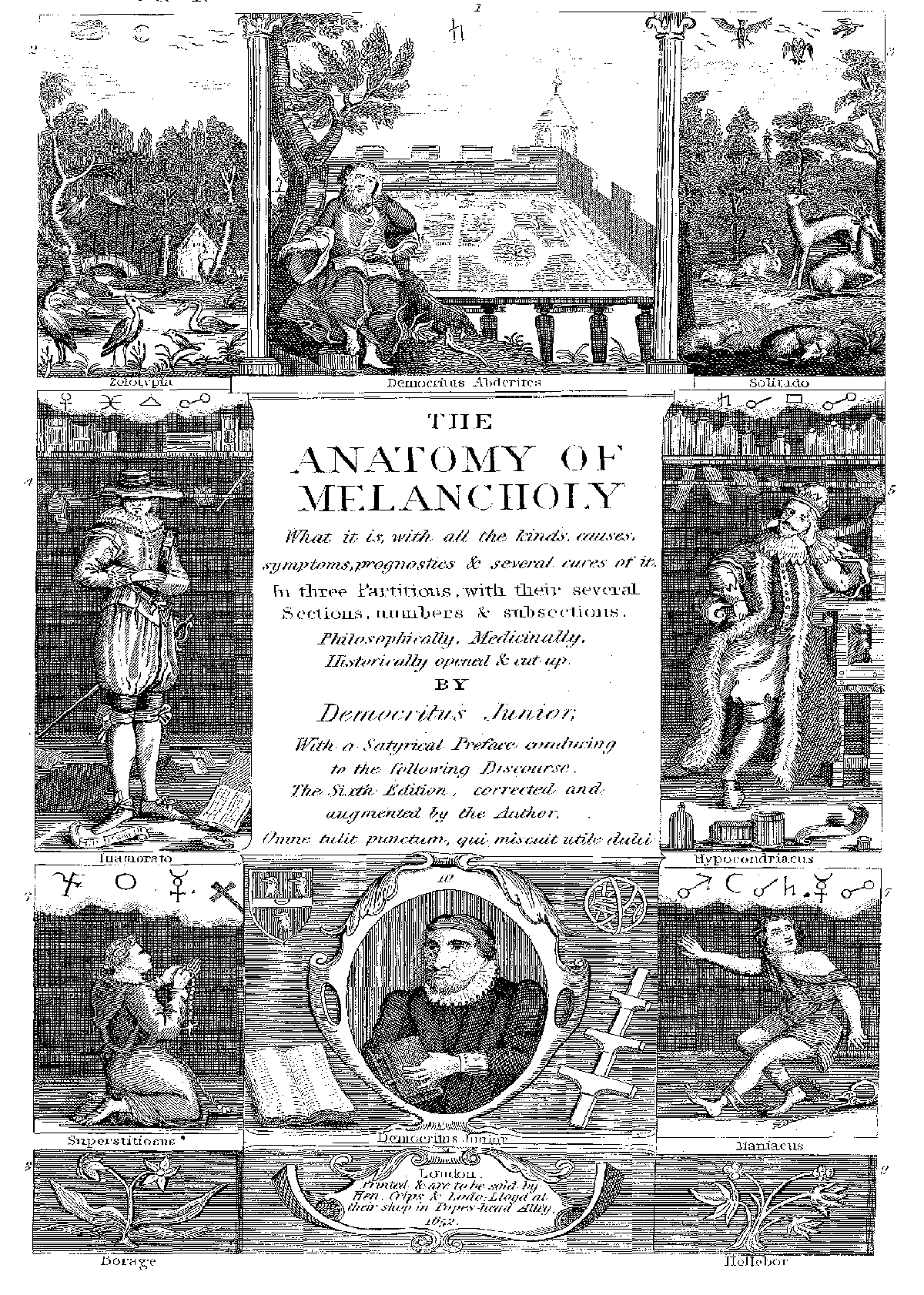
The following is an excerpt from the book, which I still find highly relatable!
The Author’s Abstract of Melancholy
Thinking of divers things fore-known,
When I build castles in the air,
Void of sorrow and void of fear,
Pleasing myself with phantasms sweet,
Methinks the time runs very fleet.
All my joys to this are folly,
Naught so sweet as melancholy.
When I lie waking all alone,
Recounting what I have ill done,
My thoughts on me then tyrannise,
Fear and sorrow me surprise,
Whether I tarry still or go,
Methinks the time moves very slow.
All my griefs to this are jolly,
Naught so mad as melancholy.
When to myself I act and smile,
With pleasing thoughts the time beguile,
By a brook side or wood so green,
Unheard, unsought for, or unseen,
A thousand pleasures do me bless,
And crown my soul with happiness.
All my joys besides are folly,
None so sweet as melancholy.
When I lie, sit, or walk alone,
I sigh, I grieve, making great moan,
In a dark grove, or irksome den,
With discontents and Furies then,
A thousand miseries at once
Mine heavy heart and soul ensconce,
All my griefs to this are jolly,
None so sour as melancholy.
Methinks I hear, methinks I see,
Sweet music, wondrous melody,
Towns, palaces, and cities fine;
Here now, then there; the world is mine,
Rare beauties, gallant ladies shine,
Whate’er is lovely or divine.
All other joys to this are folly,
None so sweet as melancholy.
Methinks I hear, methinks I see
Ghosts, goblins, fiends; my phantasy
Presents a thousand ugly shapes,
Headless bears, black men, and apes,
Doleful outcries, and fearful sights,
My sad and dismal soul affrights.
All my griefs to this are jolly,
None so damn’d as melancholy.
Methinks I court, methinks I kiss,
Methinks I now embrace my mistress.
O blessed days, O sweet content,
In Paradise my time is spent.
Such thoughts may still my fancy move,
So may I ever be in love.
All my joys to this are folly,
Naught so sweet as melancholy.
When I recount love’s many frights,
My sighs and tears, my waking nights,
My jealous fits; O mine hard fate
I now repent, but ’tis too late.
No torment is so bad as love,
So bitter to my soul can prove.
All my griefs to this are jolly,
Naught so harsh as melancholy.
Friends and companions get you gone,
‘Tis my desire to be alone;
Ne’er well but when my thoughts and I
Do domineer in privacy.
No Gem, no treasure like to this,
‘Tis my delight, my crown, my bliss.
All my joys to this are folly,
Naught so sweet as melancholy.
‘Tis my sole plague to be alone,
I am a beast, a monster grown,
I will no light nor company,
I find it now my misery.
The scene is turn’d, my joys are gone,
Fear, discontent, and sorrows come.
All my griefs to this are jolly,
Naught so fierce as melancholy.
I’ll not change life with any king,
I ravisht am: can the world bring
More joy, than still to laugh and smile,
In pleasant toys time to beguile?
Do not, O do not trouble me,
So sweet content I feel and see.
All my joys to this are folly,
None so divine as melancholy.
I’ll change my state with any wretch,
Thou canst from gaol or dunghill fetch;
My pain’s past cure, another hell,
I may not in this torment dwell!
Now desperate I hate my life,
Lend me a halter or a knife;
All my griefs to this are jolly,
Naught so damn’d as melancholy.
Culled from: The Anatomy of Melancholy
Garretdom!
A DOUBLE TRAGEDY.
A Son Kills His Father While Trying to Effect His Rescue.
PORTLAND, Ore., Sept. 12.—A special to the Oregonian from Spokane Falls, W. T., gives particulars of a double tragedy which occurred on the 7th, in Grand Coulee, half way between Spokane Falls and Okanogan. A man named Paine committed murder in Missouri several years ago, and was sentenced to be hanged. He made his escape, came to Washington Territory and settled at Okanogan county. His whereabouts having become known, a requisition for Paine was sent to Spokane Falls and was placed in the hands of Constable Jack Hubbard to serve. Hubbard took F. Allen for company and left on Sunday for Paine’s place, one hundred miles distant. They secured Paine without trouble and put handcuffs on him. Paine asked to be allowed to bid farewell to his wife in secret, and his request was granted. The two officers and the prisoner started on a buckboard about noon for Spokane Falls. Toward dusk a son of Paine, aged twenty-five years, who had followed on horseback and finally overtaken the officers and began firing from a Winchester rifle. The first shot hit his father, who died ten minutes afterward. The officers opened fire with revolvers , but the range of the weapon was too short. The fifth shot from Paine struck Hubbard in the chin, and he fell to the ground dead. Aiken then whipped up the horses, but they had gone only a short distance when one of them fell dead from a rifle wound. Young Paine made his escape. The old man as he was dying confessed to Aiken that when he bade his wife good bye he told her to tell their son to rescue him, even if he had to kill the officers.
Culled from the collection of The Comtesse DeSpair
1886 Morbid Scrapbook