Today’s Lead Glazed Yet Truly Morbid Fact!
One of the earliest warnings about the dangers of lead-based glazes came in a letter to the editor of the Scot’s Magazine from a James Lind of Edinburgh, and published in its May issue of 1754. He warned of the dangers of putting lemon juice in earthenware vessels that were so coated, and mentioned an incident in which enough lead was extracted from the glaze that when the lemon juice was concentrated by boiling and then allowing to cool crystals of sugar of lead were deposited. Lind also warned against using such vessels for pickling vegetables, saying that if preserved food tasted sweet then it should be discarded. He noted that the popular Delft pottery was particularly prone to leach lead from its surface.
Those who worked in the pottery industry were badly affected by lead. In 1875 the UK Registrar General described this trade as one of the unhealthiest in the country. Every year in the north Staffordshire region, which is where the British pottery industry was based, there were 400 cases of lead poisoning in its advanced state where victims were paralyzed, having convulsions, and almost blind. That region was also noteworthy for the number of miscarriages, still births, and newly born babies dying within a few weeks, their short lives blighted by recurrent fits.
The fight to remove lead glazes from pottery was long and hard. The glazing of pottery with lead was already widespread in the 1600s and in the early days it was applied as a powder of galena (lead sulphide mineral, PbS) to the surface of the wet clay before firing. In the following century it was applied as a wet paste to already fired pots, known as biscuit ware, which were then given a second firing. The prejudicial effect of working on the glazing process was known even then and alternatives were sought, and found, but were either not as good or more expensive.
Those who did the dipping of pots into the glaze were noted for their cadaverous looks and were known to be prone to Picton colic. Despite Acts of Parliament to prevent children from working at such employment, little was done until the 1890s when a vigorous campaign led by Gertrude Tuckwell of the Women’s Trade Union League brought the issue into the spotlight. She alerted the public to the dangers of the industry and urged them to buy lead-free glazed pottery and earthenware. The laws passed in the 1890s reduced the number of lead poisoning cases which declined from 573, and 22 deaths, in the five years from 1899 to 1903, to only three cases 50 years later, and one death, in the five years from 1949 to 1953. There were no cases or deaths in the years thereafter.
Culled from: The Elements of Murder
Gertrude Tuckwell: Kicking Ass and Taking Names!
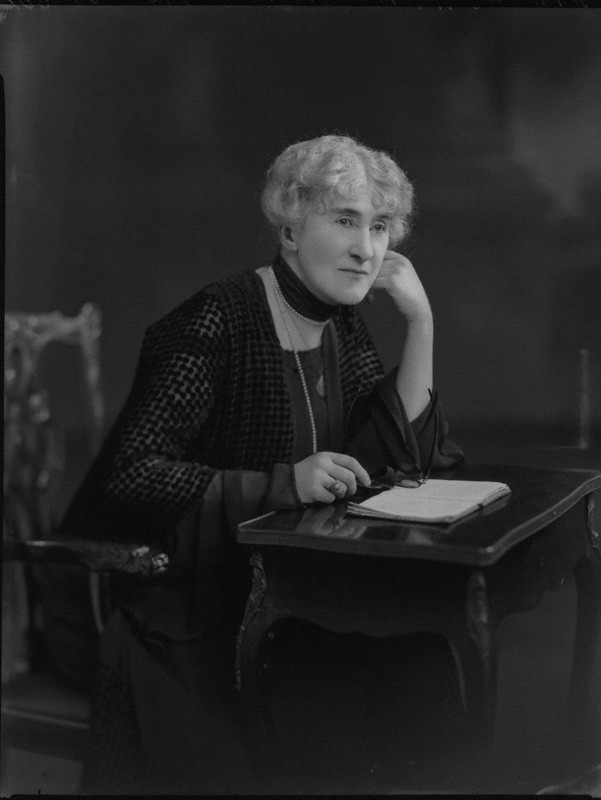
by Lafayette (Lafayette Ltd), whole-plate nitrate negative, 11 January 1930
Morbid Music!
|
|
