Today’s Positively Identified Yet Truly Morbid Fact!
One of the ways in which modern forensic science can positively identify an individual is through accurate dental records, since teeth not only differ in detail from person to person, but they last longer than other physical elements after death. Although there are subtle changes as the subject ages, the overall pattern of the teeth changes so little that records compiled years before can still be accurate enough to provide positive identification. Moreover, where natural teeth have been replaced by false teeth, the dentures are also a very useful form of record, and in the U.S. in particular they are often marked with both the wearer’s name and his or her social security number.
One of the earliest cases of identification by teeth dates back to the mid-1770s. Paul Revere, a coppersmith, silversmith, and engraver, had been taught dentistry by English practitioner John Baker. In 1775 Revere made a set of dentures for his friend, Dr. Joseph Warren. The teeth, held together with silver wire, were supported by a bridge made from the tusk of a hippopotamus. In June of that year, at the battle of Bunker Hill where British forces stormed American entrenchments on a peninsula to the north of Boston, Warren was killed by a shot to the head. Though hiss body was buried in a mass grave after the battle, his family wished it to be found and brought back to England. Revere was able to identify the body from the dental work and it was subsequently returned to be buried in the family plot at Forest Hill, south London.
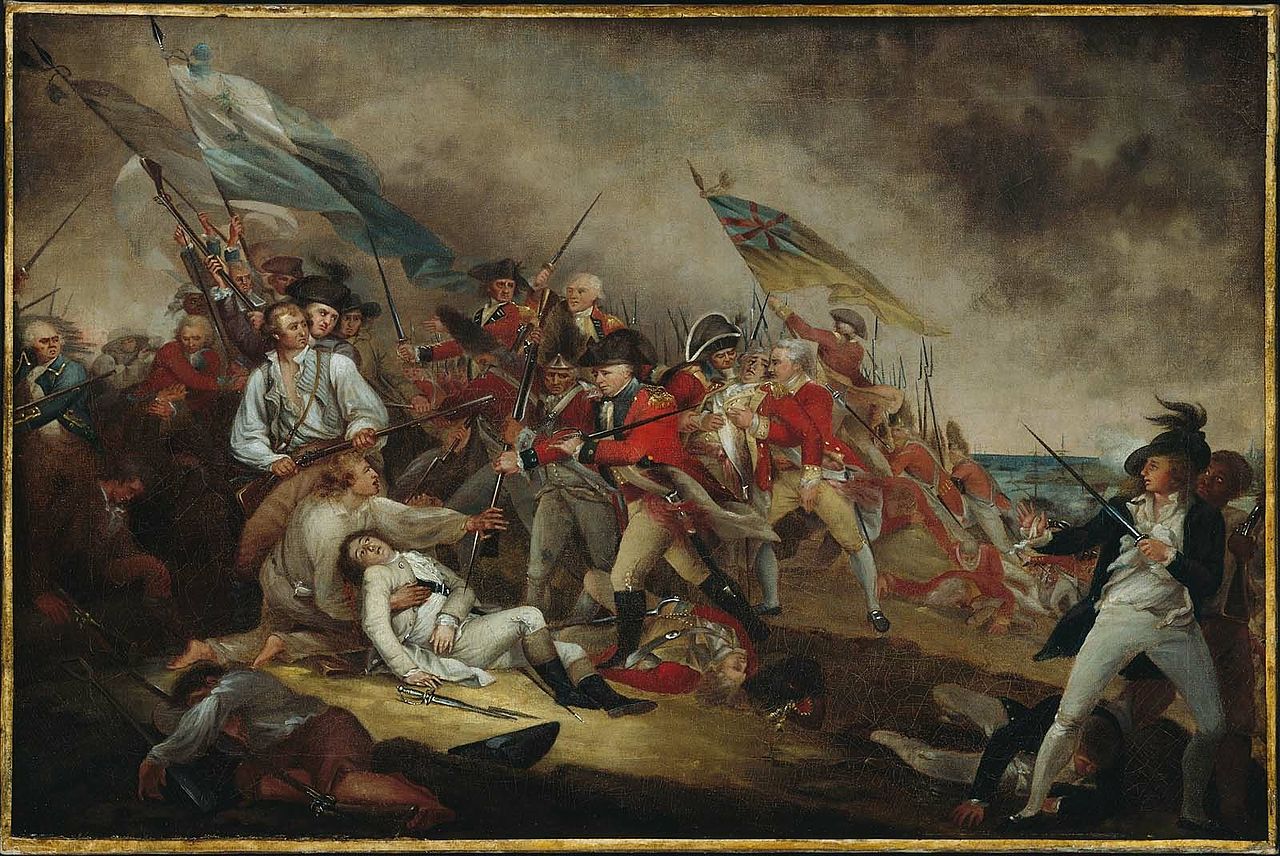
“The Death of General Warren at the Battle of Bunker Hill” by John Trumbull.
Culled from: Hidden Evidence: Forty True Crimes and How Forensic Science Helped Solve Them

I understand that it was common practice after a Civil War battle for certain entrepreneurs to roam among the dead, harvesting teeth, to be sold to “dentists” and made into dentures. Ooh, la-la! That gives me ideas!