Today’s Speedy Yet Truly Morbid Fact!
At six feet two, 19th Century British surgeon Robert Liston was eight inches taller than the average British male. He had built his reputation on brute force and speed at a time when both were crucial to the survival of the patient. Those who came to witness an operation might miss it if they looked away even for a moment. It was said of Liston by his colleagues that when he amputated, “the gleam of his knife was followed so instantaneously by the sound of sawing as to make the two actions appear almost simultaneous.” His left arm was reportedly so strong that he could use it as a tourniquet, while he wielded the knife in his right hand. This was a feat that required immense strength and dexterity, given that patients often struggled against the fear and agony of the surgeon’s assault. Liston could often remove a leg in less than thirty seconds, and in order to keep both hands free, he often clasped the bloody knife between his teeth while working.
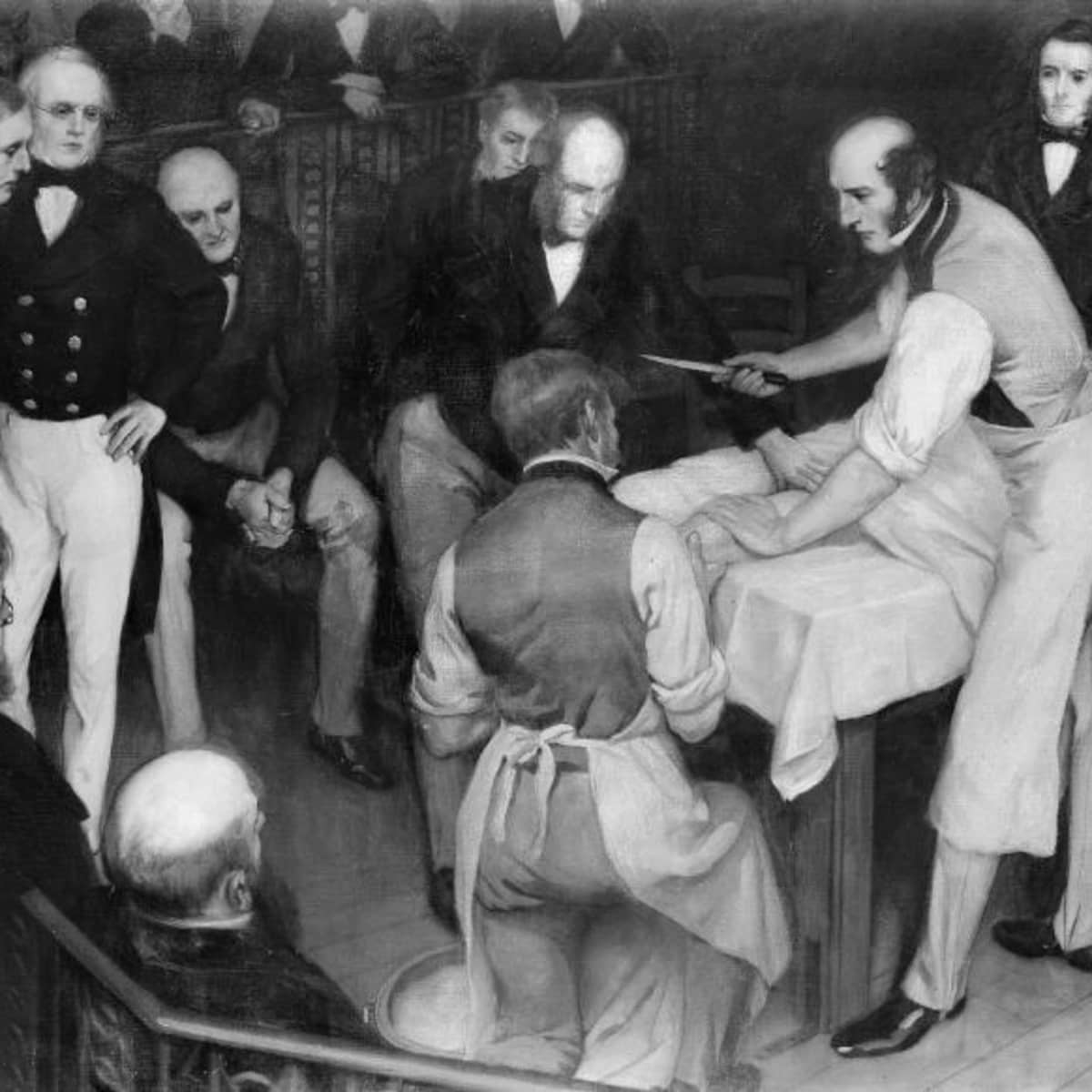
Liston’s speed was both a gift and a curse. Once, he accidentally sliced off a patient’s testicle along with the leg he was amputating. His most famous (and possibly apocryphal) mishap involved an operation during which he worked so rapidly that he took off three of his assistant’s fingers and, while switching blades, slashed a spectator’s coat. Both the assistant and the patient died later of gangrene, and the unfortunate bystander expired on the spot from fright. It’s the only surgery in history said to have had a 300 percent fatality rate.
Culled from: The Butchering Art: Joseph Lister’s Quest to Transform the Grisly World of Victorian Medicine
Ghastly!
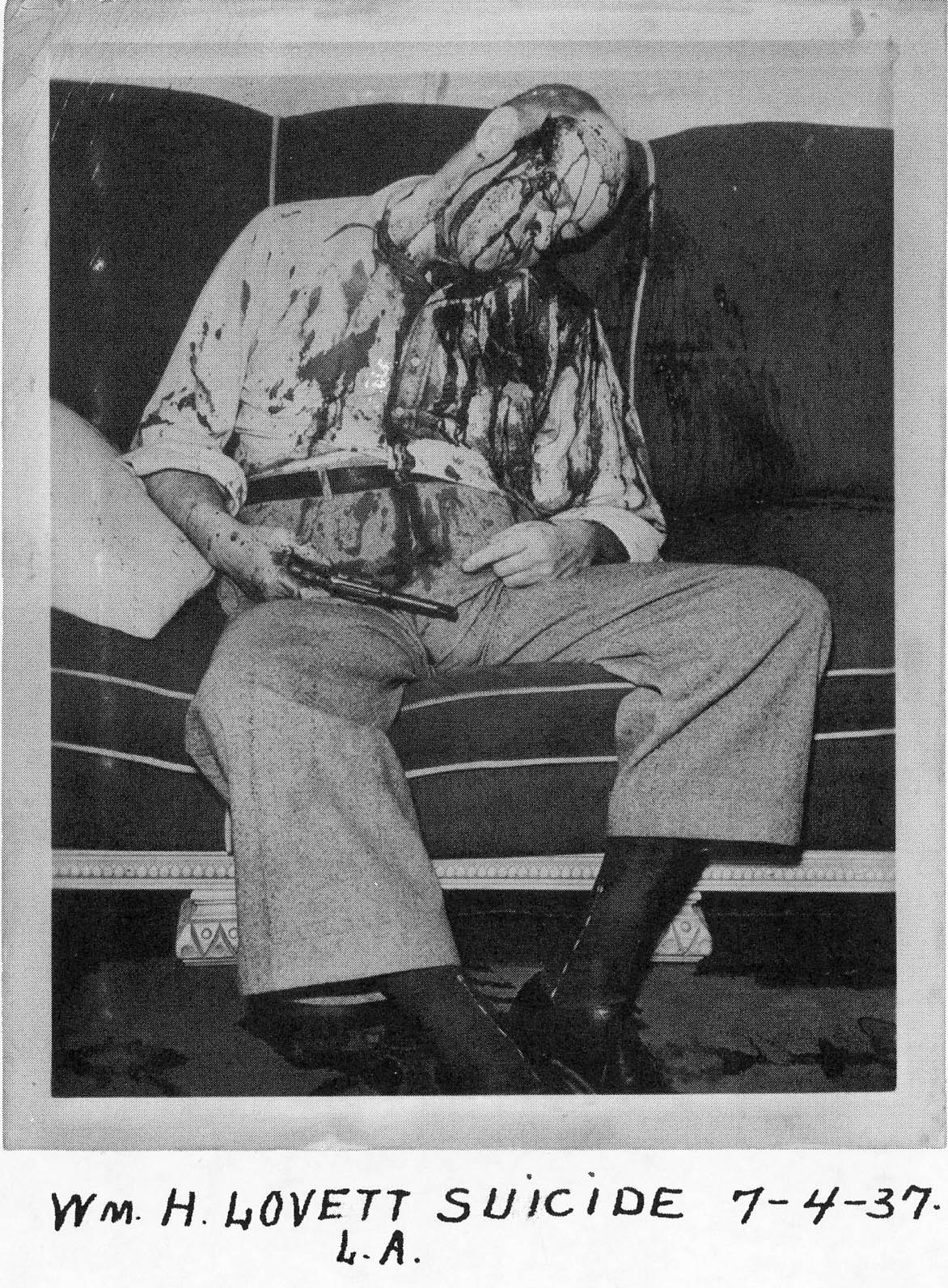
One of my favorite books is Death Scenes: A Homicide Detective’s Scrapbook. It is exactly what it says it is: a bizarre and oft-disturbing scrapbook collected over the years by Los Angeles area police detective Jack Huddleston, whose career spanned from 1921 to the early 1950’s. Here’s an image from the book from a section entitled “Suicide”: