Today’s Point Blank Yet Truly Morbid Fact!
On September 7, 1928, Tony Lombardo was assassinated in the presence of thousands of downtown Chicago shoppers and office workers just one block west of State and Madison, known internationally for many decades as the world’s busiest corner. Lombardo headed the 25,000-member Unione Sicilione, an Italian-American fraternal organization considered by many to be a Mafia “front” and a clearinghouse for organized crime activity in the Midwest during Prohibition. One by one, the leaders of this politically important group were picked off by rival gangs (and each other) with amazing alacrity and ease. Lombardo and a bodyguard were the latest victims. They were shot at point-blank range in front of Raklios Restaurant at the southwest corner of Madison Street and Dearborn, which is now part of the uninspiring First National Bank Plaza erected in 1969. It was 4:30 in the afternoon. Thousands of people had momentarily paused to watch a construction crew raise an airplane up the side of the Boston Store at State and Madison, an impressive seventeen-story steel-frame skyscraper designed by the Holabird & Roche architectural firm in 1915, when the shots were fired. The Boston Store, a family business owned by Molly Netcher Newbury, closed its doors in 1948, but its original terra cotta building at One North Dearborn (northeast corner) remains. The upper floors have been converted into office spaces with an assortment of retail shops serving the public at street level.
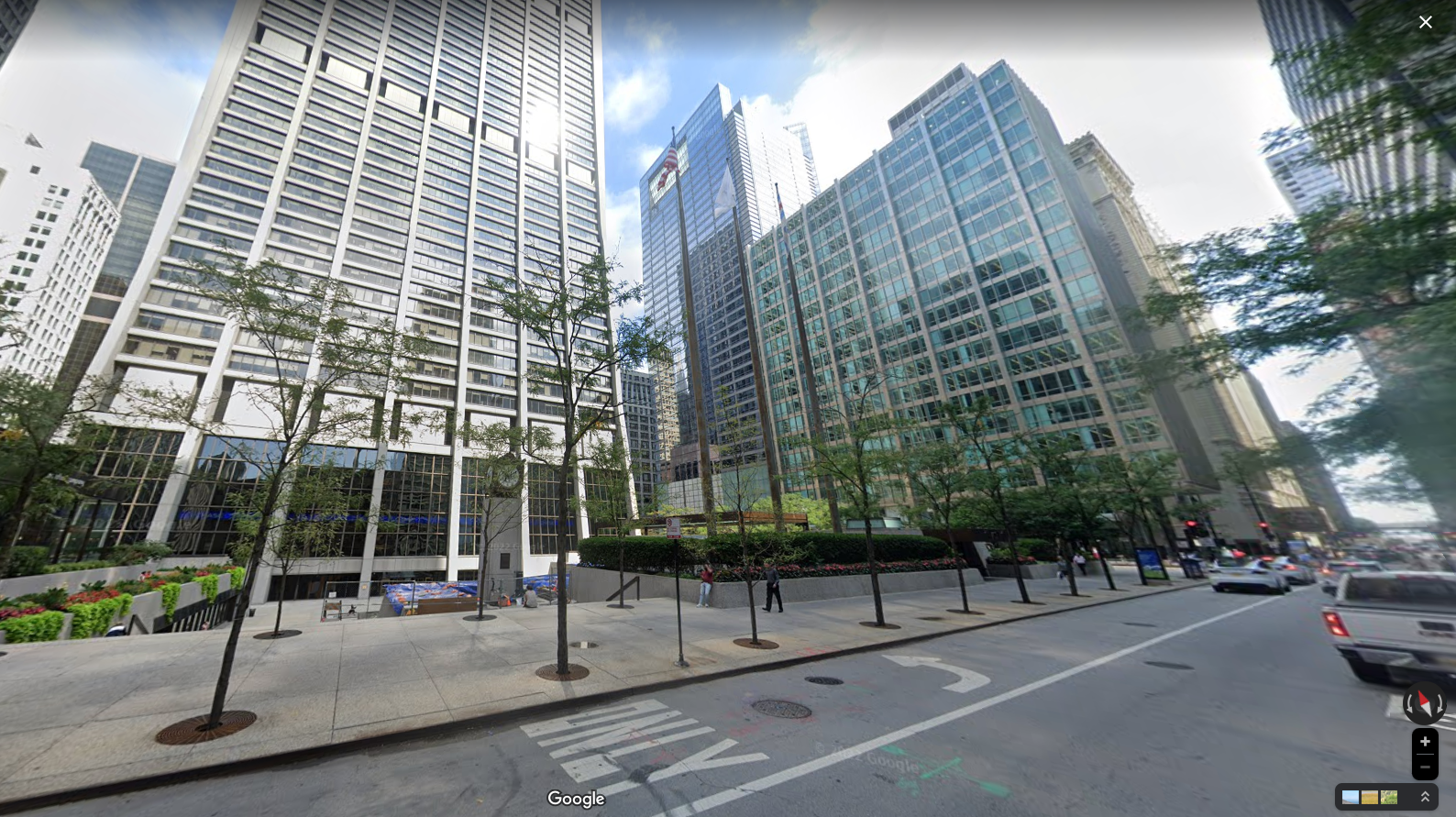
The uninspiring First National Bank Plaza
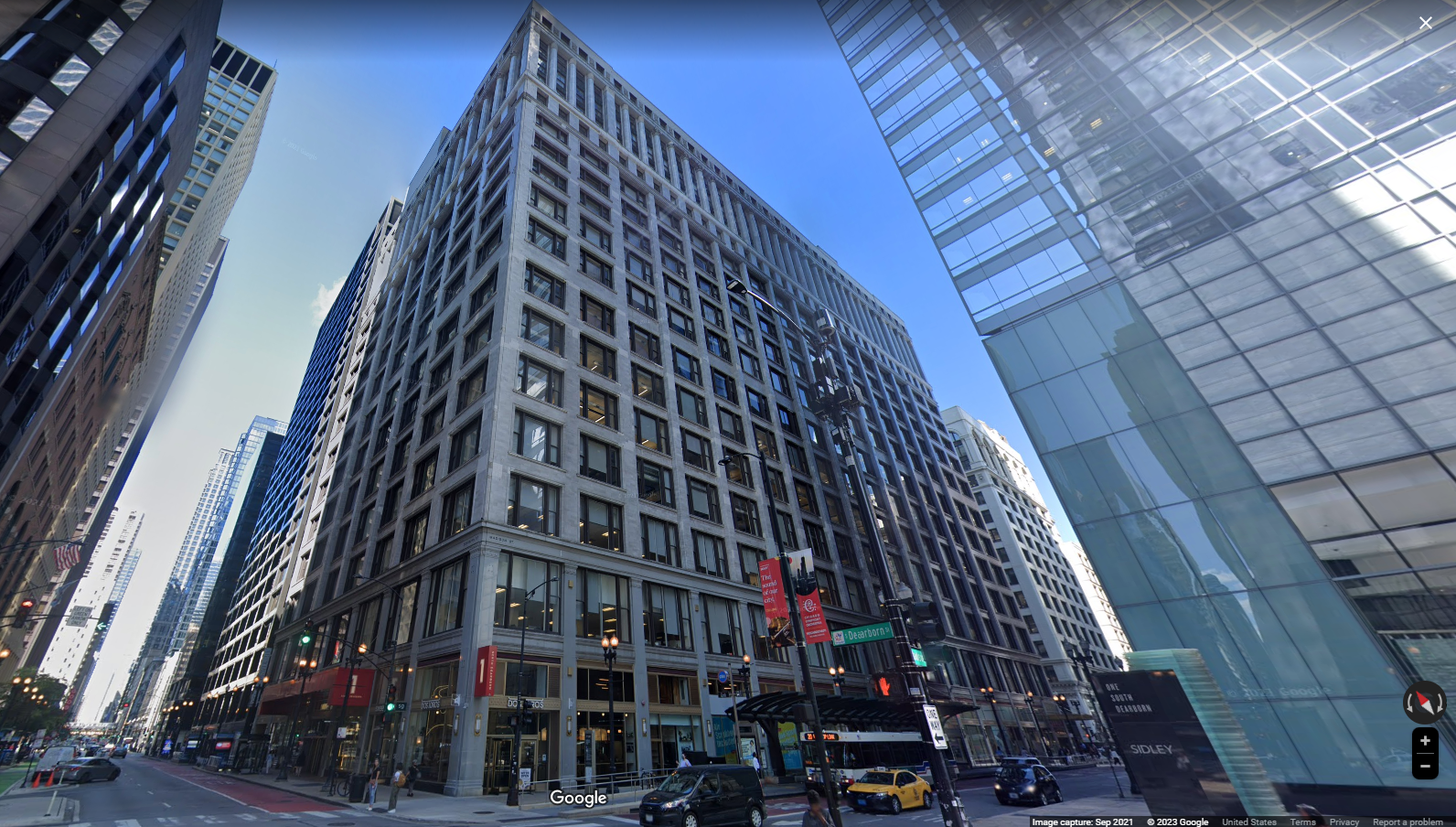
The former Boston Store building
Tony Lombardo and his bodyguard, Joseph Ferraro, had called it a day. Switching off the lights in their eleventh-floor offices inside the Hartford Building at 8 South Dearborn Street, Chicago, the two men came down in the elevator and walked north on Dearborn Street past the Hamilton Club, domain of the city’s blueblood elite, and then to Madison Street, where they turned westward.
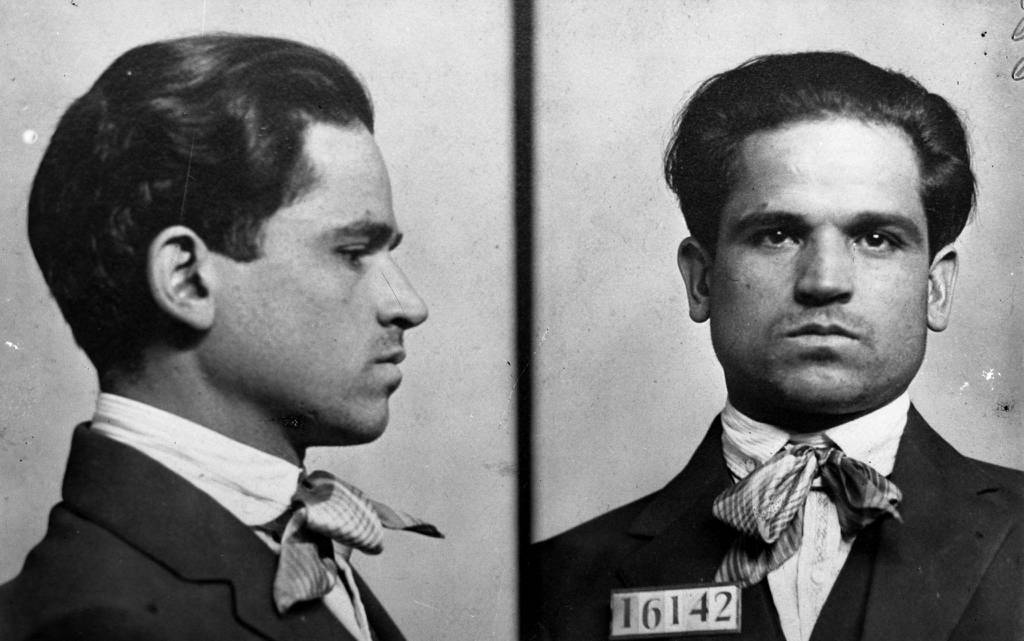
Tony “The Scourge” Lombardo
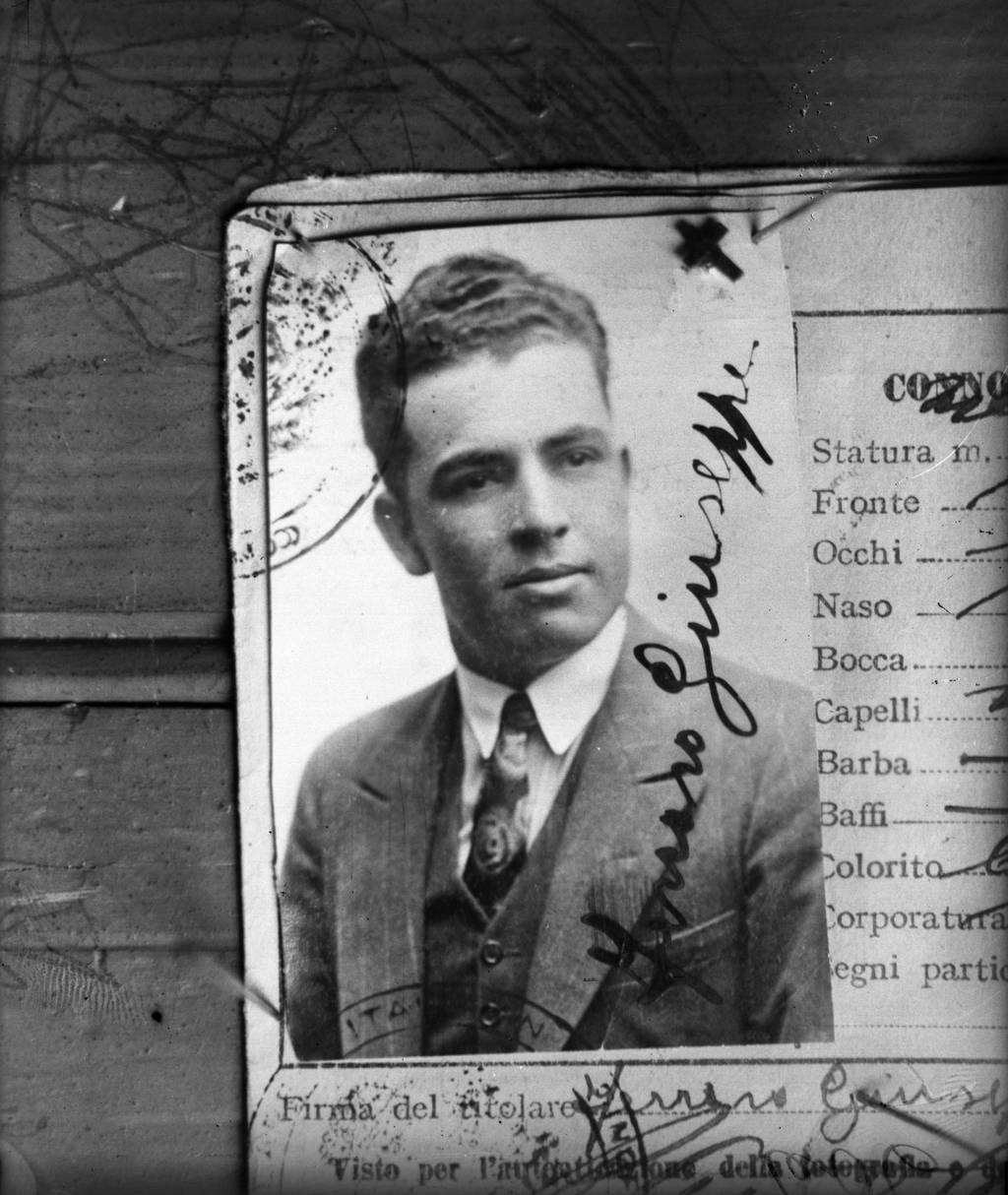
Lombardo’s ill-fated bodyguard, Joseph Ferraro
A third man, named Joseph Lolordo, who had dropped by the office to pay his membership dues and chat with his friends, joined them. Lolordo said he did not know where Lombardo was going, but decided to tag along out of respect to Lombardo, an important cog in the criminal underworld of Chicago.
A year earlier, alert Chicago Police detectives had foiled an ambush plot directed at Lombardo and arrested a team of would-be assassins who had rented a flat directly across the street from his West Side residence at 4442 West Washington Boulevard. The earlier attempt was hatched by a rival Sicilian faction interested in removing Tony Lombardo from the mantle of leadership. Now, the same group had devised a more efficient plan.
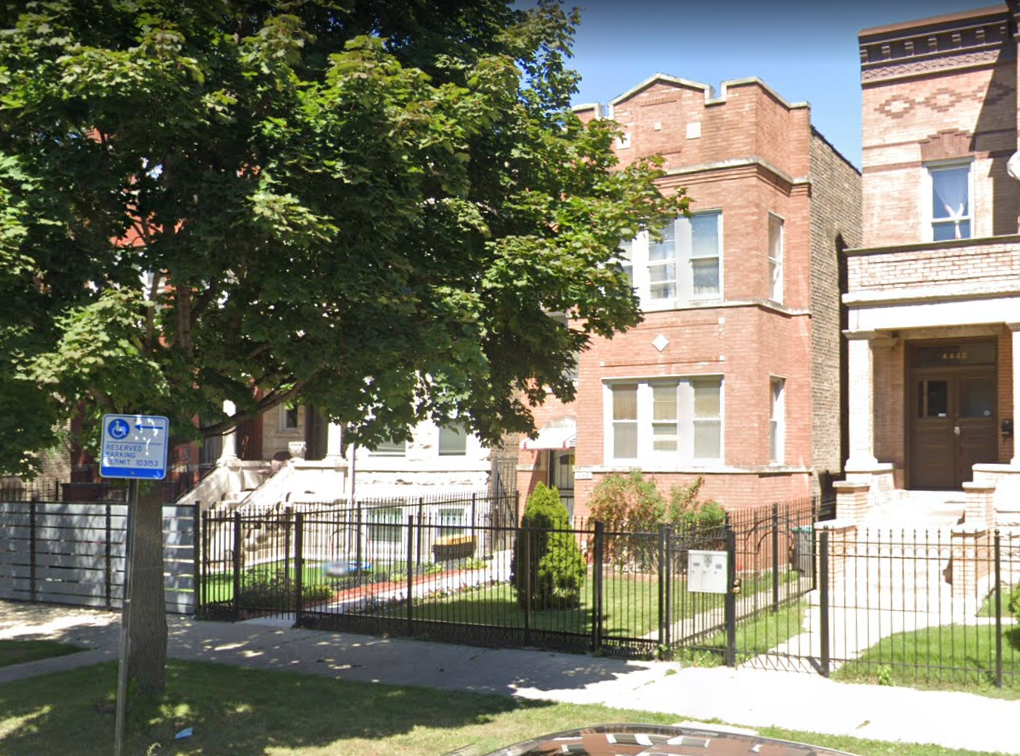
4442 West Washington Boulevard as it looks today
Fifty feet from Raklios, an eyewitness reported seeing several men bolt from the doorway of the restaurant. One of the assassins raced up behind Lombardo and discharged two dum-dum bullets into the back of his head. Ferraro was shot in the back by the second gunman and died minutes later, refusing to identify the shooter to a police officer who arrived on the scene.
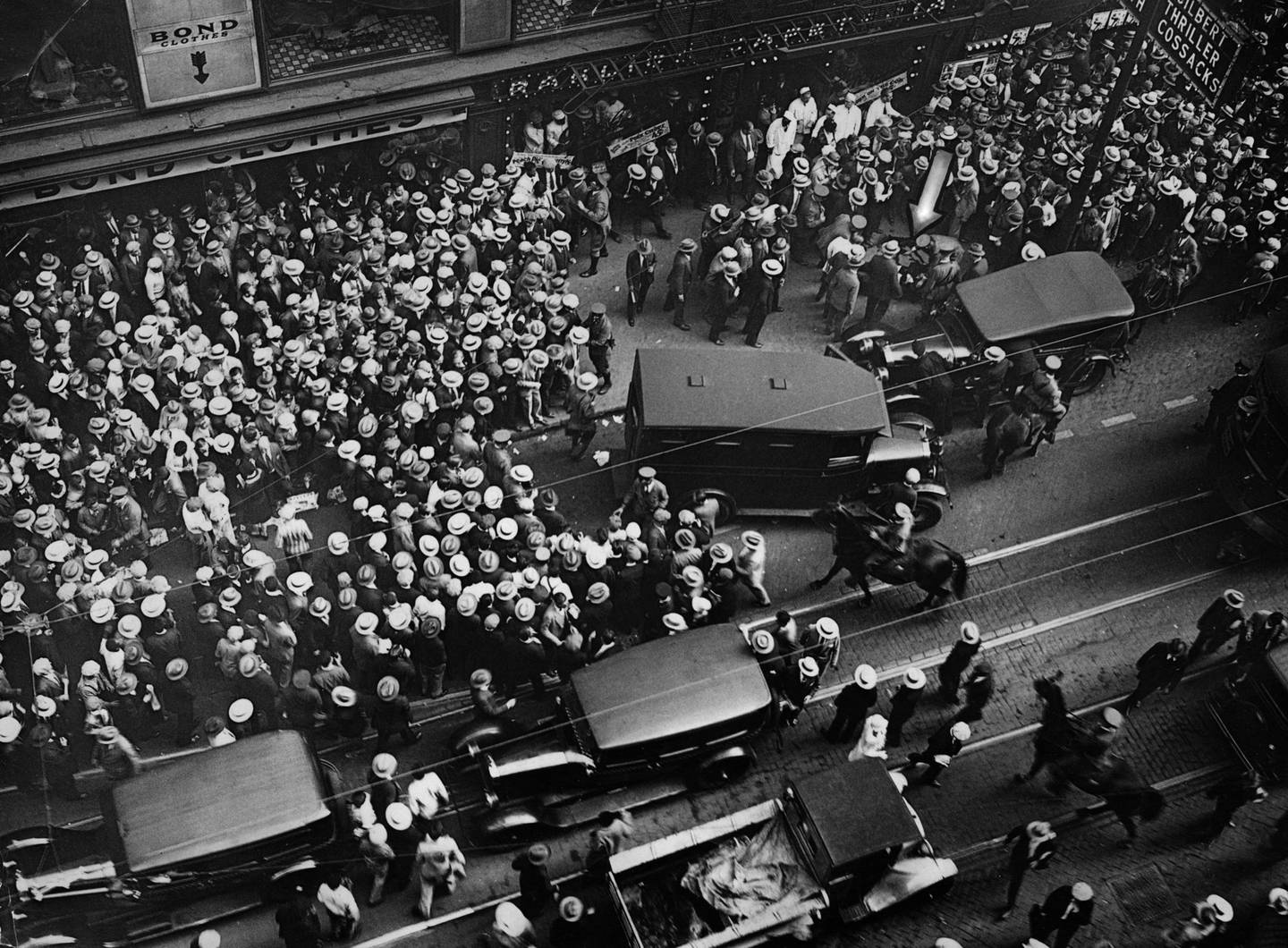
The arrow points to the body of Tony Lombardo on Madison Street
It was pandemonium as bystanders ran for cover inside the restaurants and stores. With revolvers drawn, the police charged through the crowd in every direction looking for the gunmen, but the killers had already vanished into the throng of people, many of whom were out-of-town guests staying at the nearby Morrison Hotel.
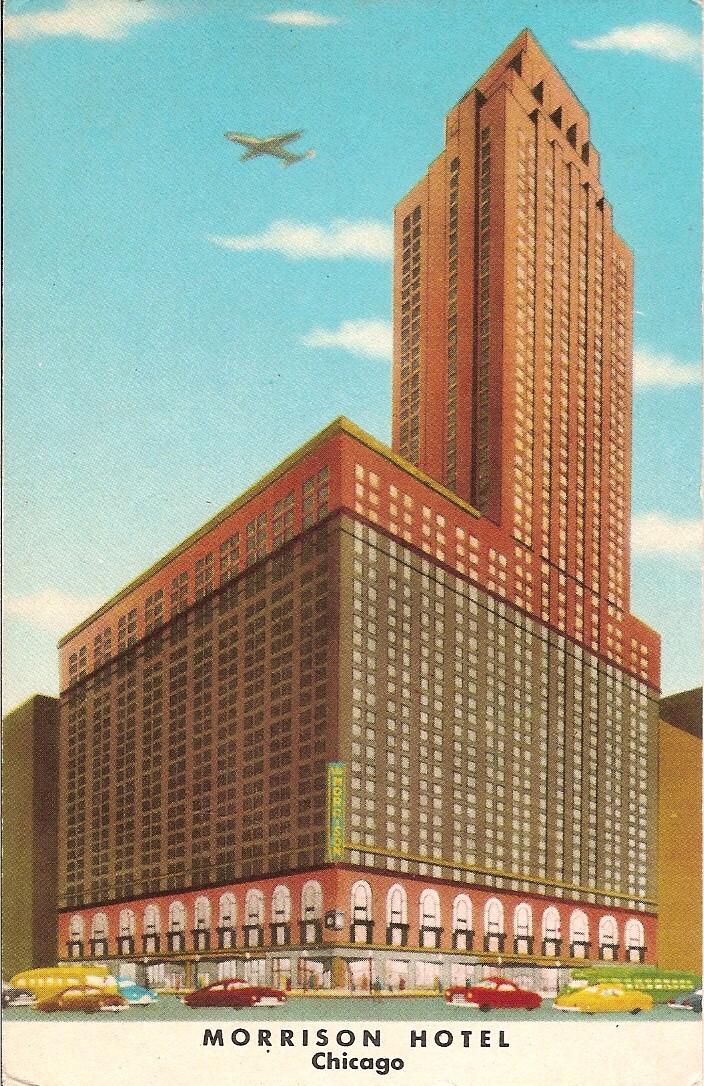
The Morrison Hotel, demolished in 1965 for the First National Bank Plaza. Boo.
Chicago Police pinned the murder on unknown New York gunmen, whom they believed were avenging the death of Frankie Uale, killed by Al Capone’s men two months earlier.
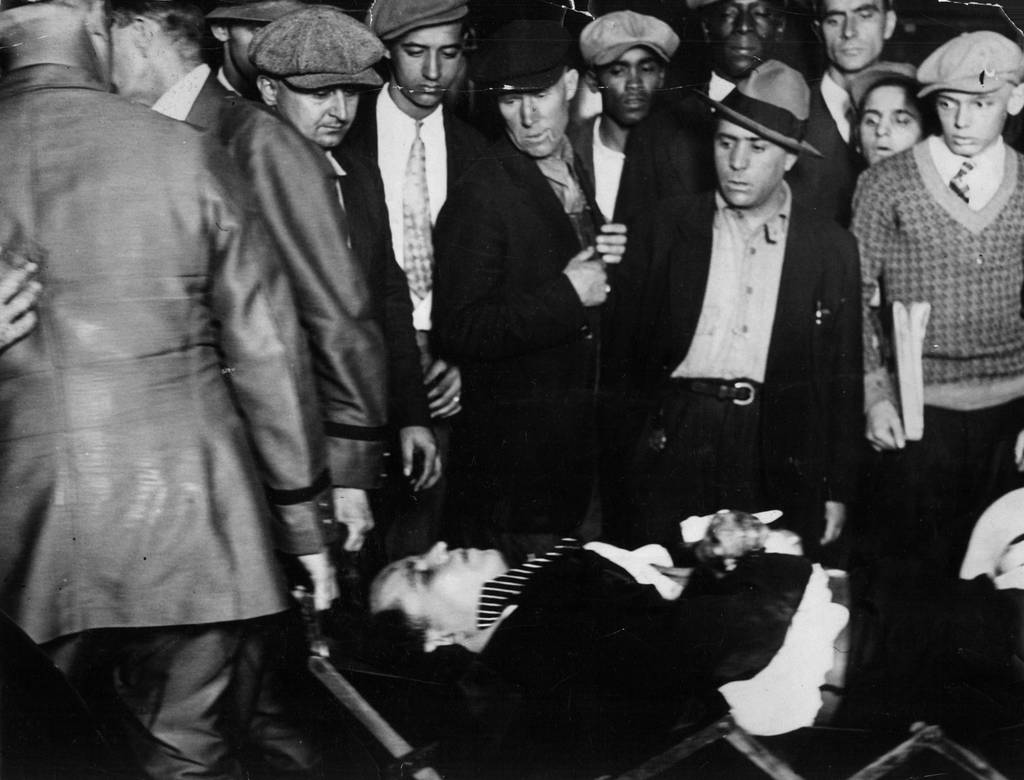
The body of Tony Lombardo is carried out of Iroquois Hospital
Before his widow could be told the news of her husband’s death, Tony Lombardo had already been loaded into a police wagon and taken directly to the Western Casket Company at 225 West Randolph where he was measured for his coffin.
Mrs. Lombardo was preparing the evening meal when she was notified by a newspaper reporter. After confirming the report with detectives at the Central Police Station, the young widow cradled the receiver of the phone and slowly turned to her two children, ages six and three. “Your daddy’s dead,” she sobbed. “You got no daddy anymore. He won’t come home anymore. And I was waiting supper on him.”
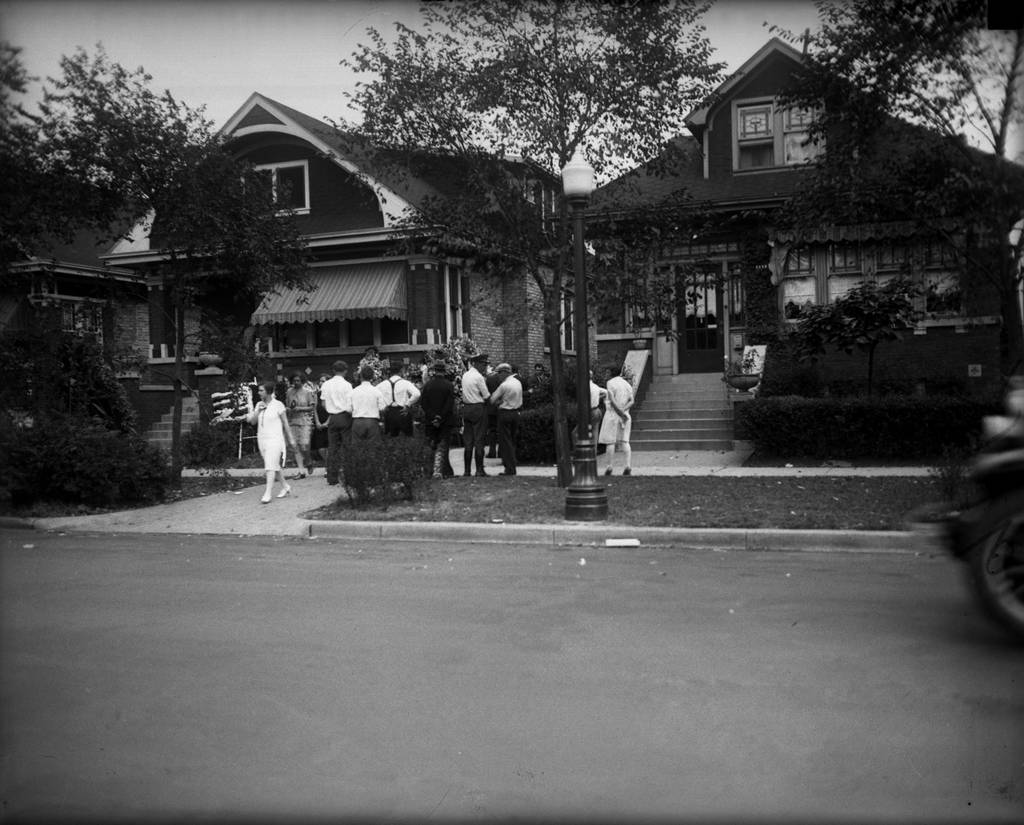
The funeral for Lombardo at his home, 2111 S. Austin Boulevard in Cicero, September 11, 1928
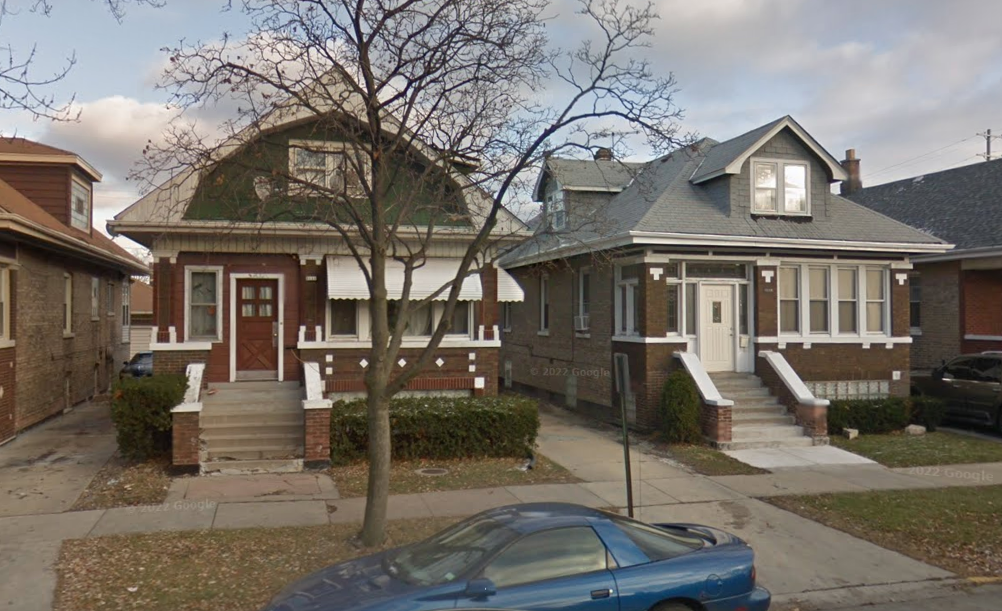
2111 S. Austin Boulevard (and its neighbor to the right) as they look today (well, in 2014).
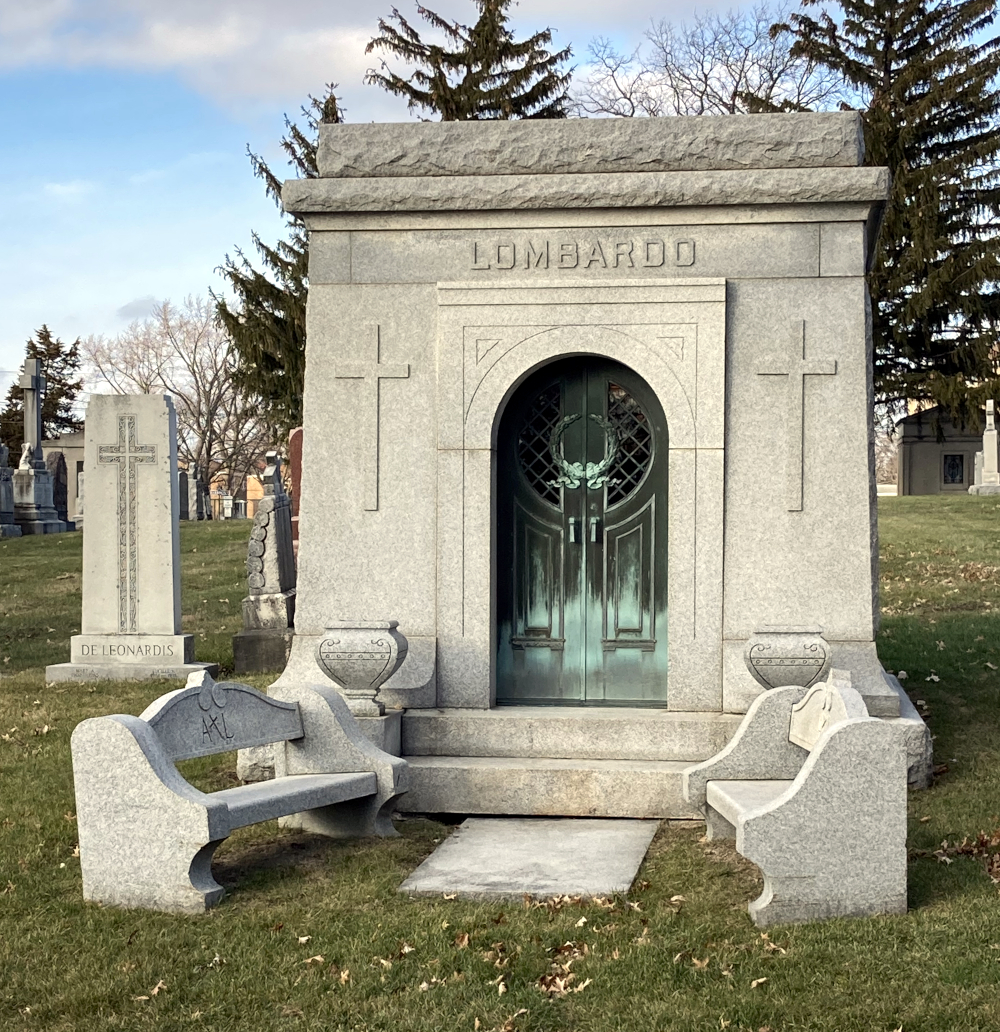
The Lombardo crypt at Mt. Carmel Cemetery
Culled from: Return to the Scene of the Crime
Nazi Victim Du Jour
The Euthanasia Program (Aktion T4) was the systematic murder of institutionalized patients with disabilities in Germany. It predated the genocide of European Jewry (the Holocaust) by approximately two years. The program was one of many radical eugenic measures which aimed to restore the racial “integrity” of the German nation. It aimed to eliminate what eugenicists and their supporters considered “life unworthy of life”: those individuals who—they believed—because of severe psychiatric, neurological, or physical disabilities represented both a genetic and a financial burden on German society and the state.
Approximately 300,000 people were murdered between 1934 and 1945. Here is one of them:
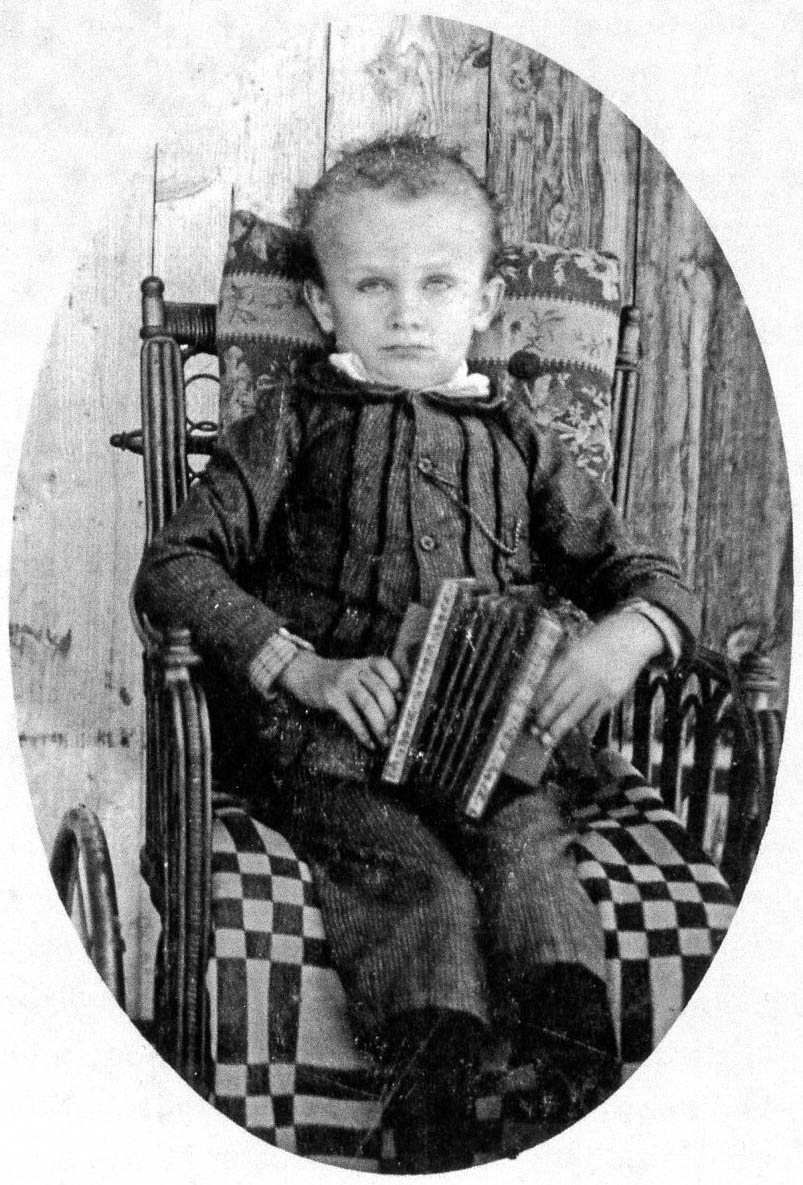
Xaver Rager was born in 1898 in Jengen, Ostallgäu district. He lived thirty years in the Catholic institution in Ursberg. In 1940, he was transferred to the Kaufbeuren mental hospital; in 1941, he was murdered in the Hartheim killing center.
Culled from: Registered, Persecuted, Annihilated: The Sick and the Disabled Under National Socialism