Today’s Vituperative Yet Truly Morbid Fact!
Both sides of the American Civil War had their fanatics. The South had the likes of old Edmund Ruffin. A vituperative, virulent, voluble secessionist newspaper editor who joined, at age sixty-seven, a private South Carolina regiment called the Palmetto Guards. When this organization, with others, looked across the harbor to Fort Sumter in the predawn hours of April 12, 1861, it was (as far as anyone could tell) Ruffin who pulled the lanyard that let fly the first shot against the fort from Stevens Battery on Cummings Point, thus beginning the war. (Ruffin fired his last shot in 1865, when he put a pistol to his head and blew his brains out.)
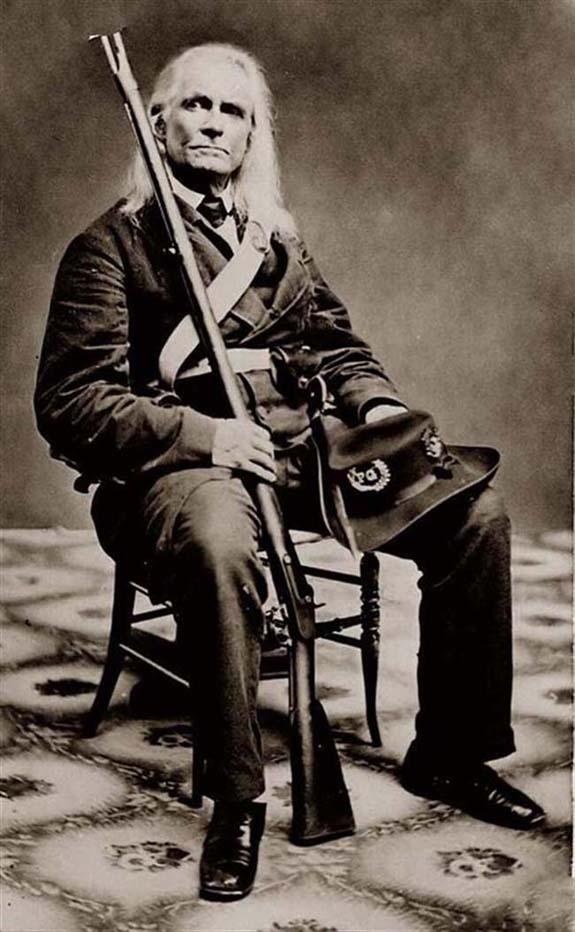
Culled from: Portraits Of The Civil War: In Photographs, Diaries, and Letters

Because I figure if I had to, you might need to as well:
vi·tu·per·a·tive
vi·tu·per·a·tive
vīˈt(y)o͞opəˌrādiv,vəˈt(y)o͞op(ə)rədiv/
adjective
bitter and abusive.
“the criticism soon turned into a vituperative attack”
Aghast! (Typical Fire Death Edition)
One of the first morbid books I ever acquired was Vernon G. Geberth’s Practical Homicide Investigation: Tactics, Procedures, and Forensic Techniques (Practical Aspects of Criminal and Forensic Investigations) . This textbook is chock full of ghastliness and very informative as well. Let’s take a look at this grim fella and see what we can learn: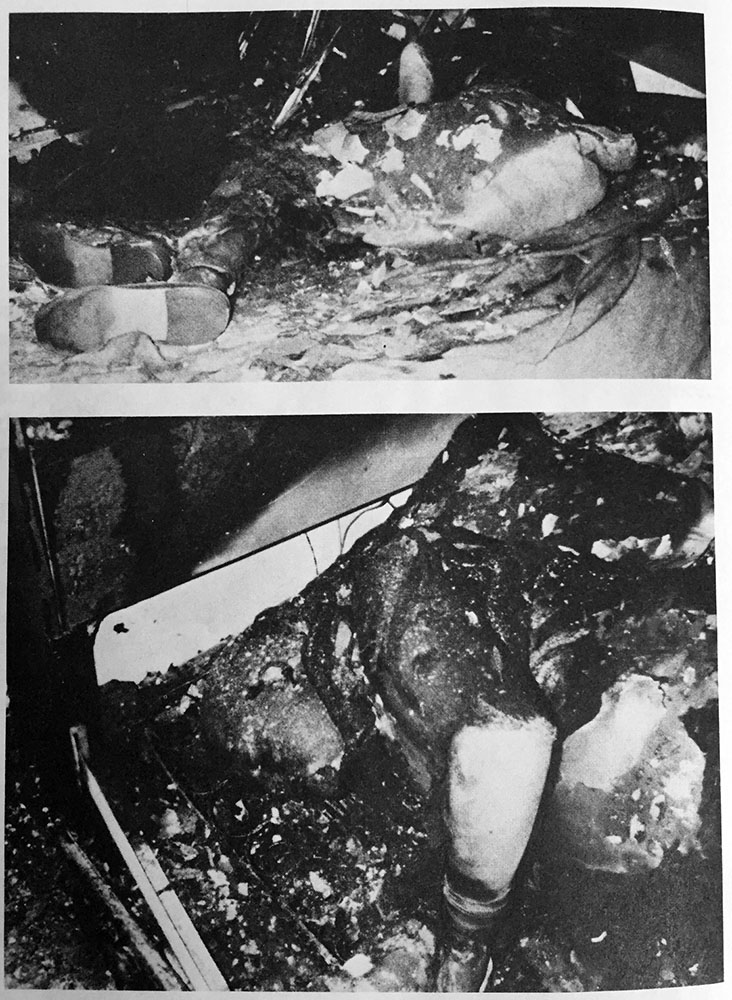
FIRE SCENE. Observe a victim who has died in a fire. Apparently, the victim was lying in his bed when he was overcome. Notice the deep charring and splitting of the skin. Although this is a typical fire death scene, the cause of death should not be assumed until the pathologist has made a careful examination of the deceased. In fact, this was a typical fire death case. Many times arson is used to cover-up a homicide; therefore, the immediate concern of the investigator at such cases should be the scene examination.
Morbid Mirth Du Jour!
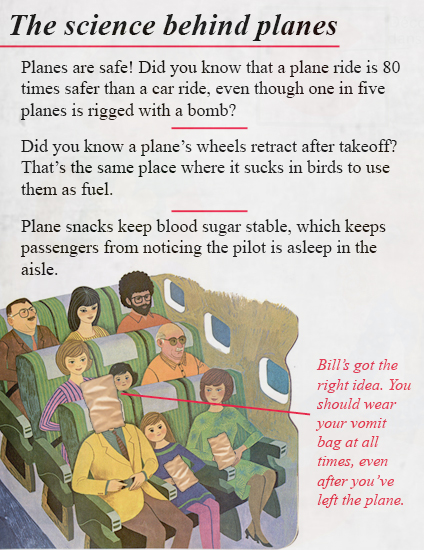
Via Fake Science