Today’s Addictive Yet Truly Morbid Fact!
Scientists have only recently begun laying out the chemical and genetic basis of addiction, but growing evidence suggests that cat hoarders cling to their herds at least partly because they’re hooked on a parasite, Toxoplasma gondii. Toxo is a one-celled protozoan, kin to algae and amoebas; it has eight thousand genes. And though originally a feline pathogen, Toxo has diversified its portfolio and can now infect monkeys, bats, whales, elephants, aardvarks, anteaters, sloths, armadillos, and marsupials, as well as chickens.
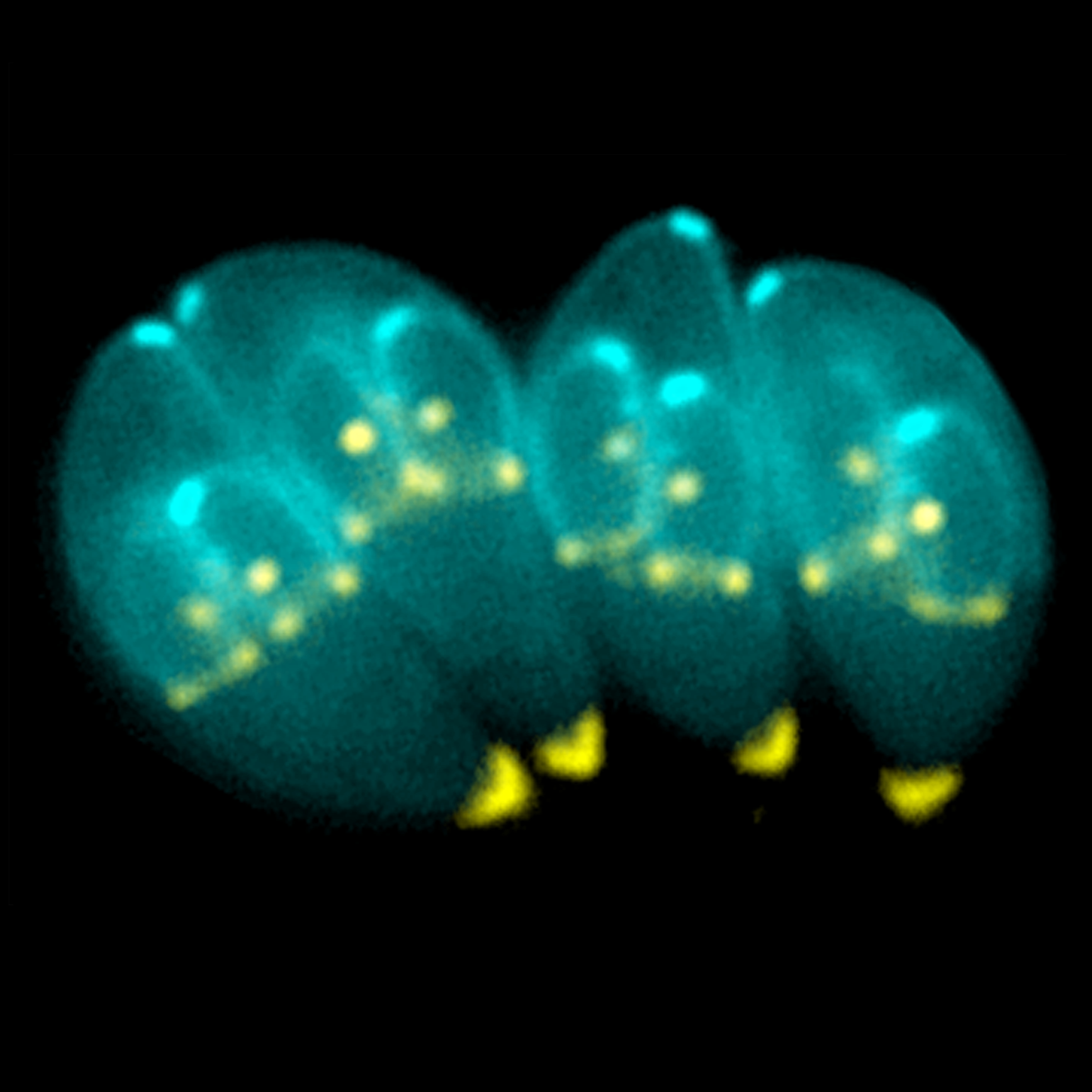
Isn’t it just the cutest little parasite?
Wild bats or aardvarks or whatever ingest Toxo through infected prey or feces, and domesticated animals absorb it indirectly through the feces found in fertilizers. Humans can also absorb Toxo through their diet, and cat owners can contract it through their skin when they handle kitty litter. Overall it infects one-third of people worldwide. When Toxo invades mammals, it usually swims straight for the brain, where it forms tiny cysts, especially in the amygdala, an almond-shaped region in the mammal brain that guides the processing of emotions, including pleasure and anxiety. Scientists don’t know why, but the amygdala cysts can slow down reaction times and induce jealous or aggressive behavior in people. Toxo can alter people’s sense of smell, too. Some cat hoarders (those most vulnerable to Toxo) become immune to the pungent urine of cats – they stop smelling it. A few hoarders, usually to their great shame, reportedly even crave the odor.
Scientists have discovered that two of Toxo’s eight thousand genes help make a chemical called dopamine. And if you know anything about brain chemistry, you’re probably sitting up in your chair about now. Dopamine helps activate the brain’s reward circuits, flooding us with good feelings, natural highs. Cocaine, Ecstasy, and other drugs also play with dopamine levels, inducing artificial highs. Toxo has the gene for this potent, habit-forming chemical in its repertoire – twice – and whenever an infected brain senses cat urine, consciously or not, Toxo starts pumping it out. As a result, Toxo gains an influence over mammalian behavior, and the dopamine hook might provide a plausible biological basis for hoarding cats.
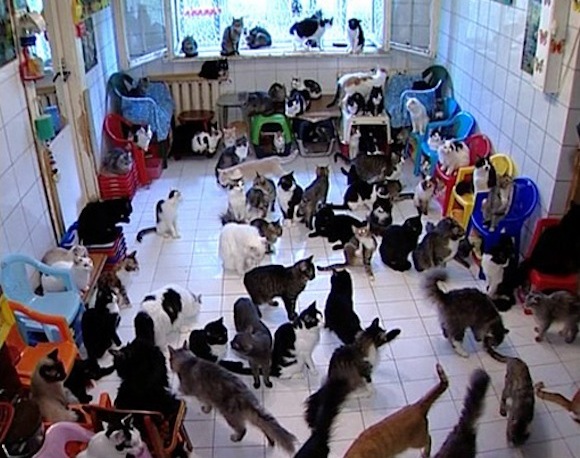
Life goals…
Culled from: The Violinist’s Thumb: And Other Lost Tales of Love, War, and Genius, as Written by Our Genetic Code
You may or may not be aware that The Comtesse is a Crazy Cat Lady although she currently only has three, which is showing great restraint.
Deathbed Photo Du Jour!
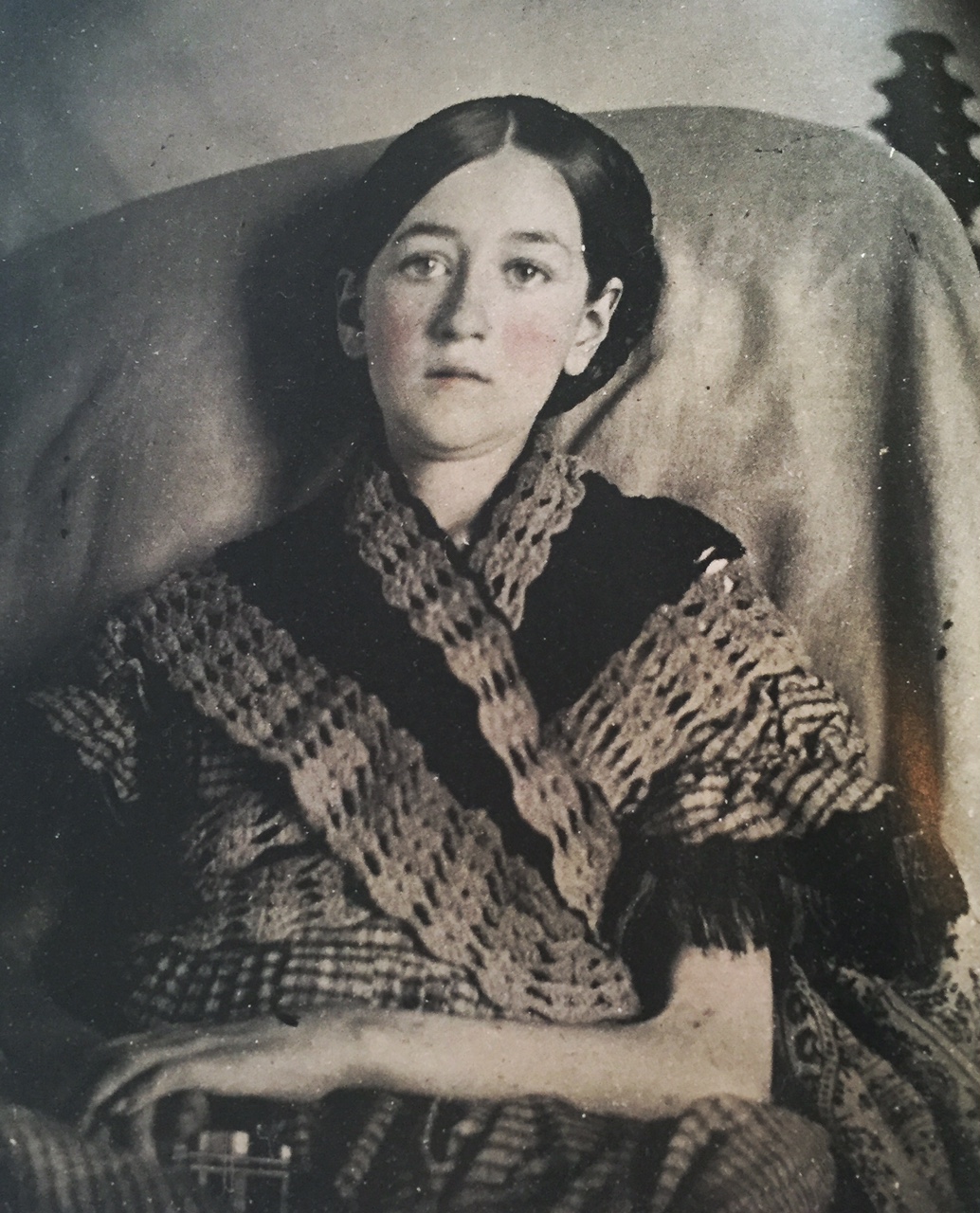
Girl in Shawl
circa 1860 – sixth-plate ambrotype – 3.75″ x 3.25″
A very frail little girl poses for the camera. Her arms are extremely thin, likely the effects of a wasting disease, such as tuberculosis, for which there was no vaccination at the time.
Cullled from: Beyond the Dark Veil: Post-Mortem and Mourning Photography from the Thanatos Archive
I’m not sure I buy the theory that cat hoarders become addicted to the scent of urine, though I certainly will go along with them not noticing it. From what I’ve heard and read about them, they have pretty serious mental problems and don’t realize that they are not being good to their pets. Also, they seem indifferent to filth and disorder in general, as do many people who live in squalor even without any pets.
My last year in high school I had to stop by my English teacher’s house (so she could rip me a new one over my supposedly lackluster deconstruction of a lackluster Countee Cullen poem) and I knew she had I think four cats, because she’d told me about them.
Well, her house just reeked of cat urine. I never smelled it on her at school (and I have a very strong sense of smell) but her house was awful.
Really, it only takes one cat to make a lingering stench, if you’ve got one who likes to pee where it isn’t supposed to. We used to have one like that. He was neutered, of course, and actually got hormone injections to try and curb his spraying, but it didn’t do much, and he could only come in the house under strict supervision. He was such a nice cat though, we all loved him. Great big orange thing, named Ernie. (He had a gray and white sister named Bert who was the world’s most wonderful pet.)