Today’s Segregated Yet Truly Morbid Fact!
Although, in the North, African Americans agitated for the right to fight from the very beginning of the Civil War, it was not until the autumn of 1862 that black troops were permitted to join the Union Army (in wholly segregated units commanded by white officers). In the South, during the final, desperate months of the war, the Confederate Congress authorized the recruitment of 300,000 black soldiers. However, the Southern citizenry did not welcome them (a newly mustered unit marching through the streets of Richmond was greeted with mud slung by outraged whites), and no African American Confederate soldiers were ever committed to battle.
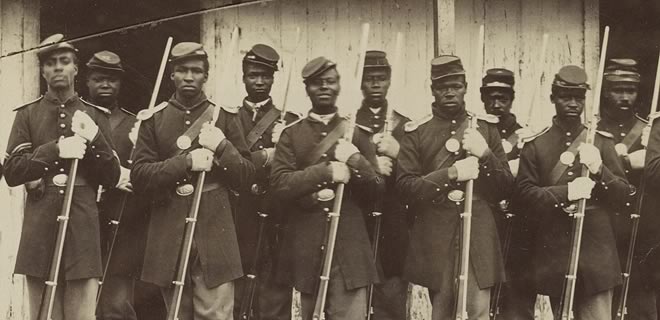
Union Soldiers
The typical soldier on either side was a white Protestant, a farmer, unmarried, aged eighteen to twenty-nine. There were, however, also much older men: Edmund Ruffin, aged sixty-seven, and Curtis King, who enlisted in the 37th Iowa at the age of eighty. And there were much younger: Charles C. Hay joined an Alabama regiment at age eleven, and Edward Black joined the 21st Indiana as a nine-year-old musician. While the majority of men on both sides were native born, one out of four Northern soldiers was a first or second-generation immigrant, mostly of German or Irish origin. Three brigades of Cherokees, Choctaws, Chickasaws, and Seminoles fought for the Confederacy, while one brigade of Creeks enlisted in the Union cause. (The Confederate Army included among its brigadiers the Cherokee leader Stand Watie, whose command was the last Confederate unit to surrender, laying down arms fully a month after hostilities had generally ceased.)
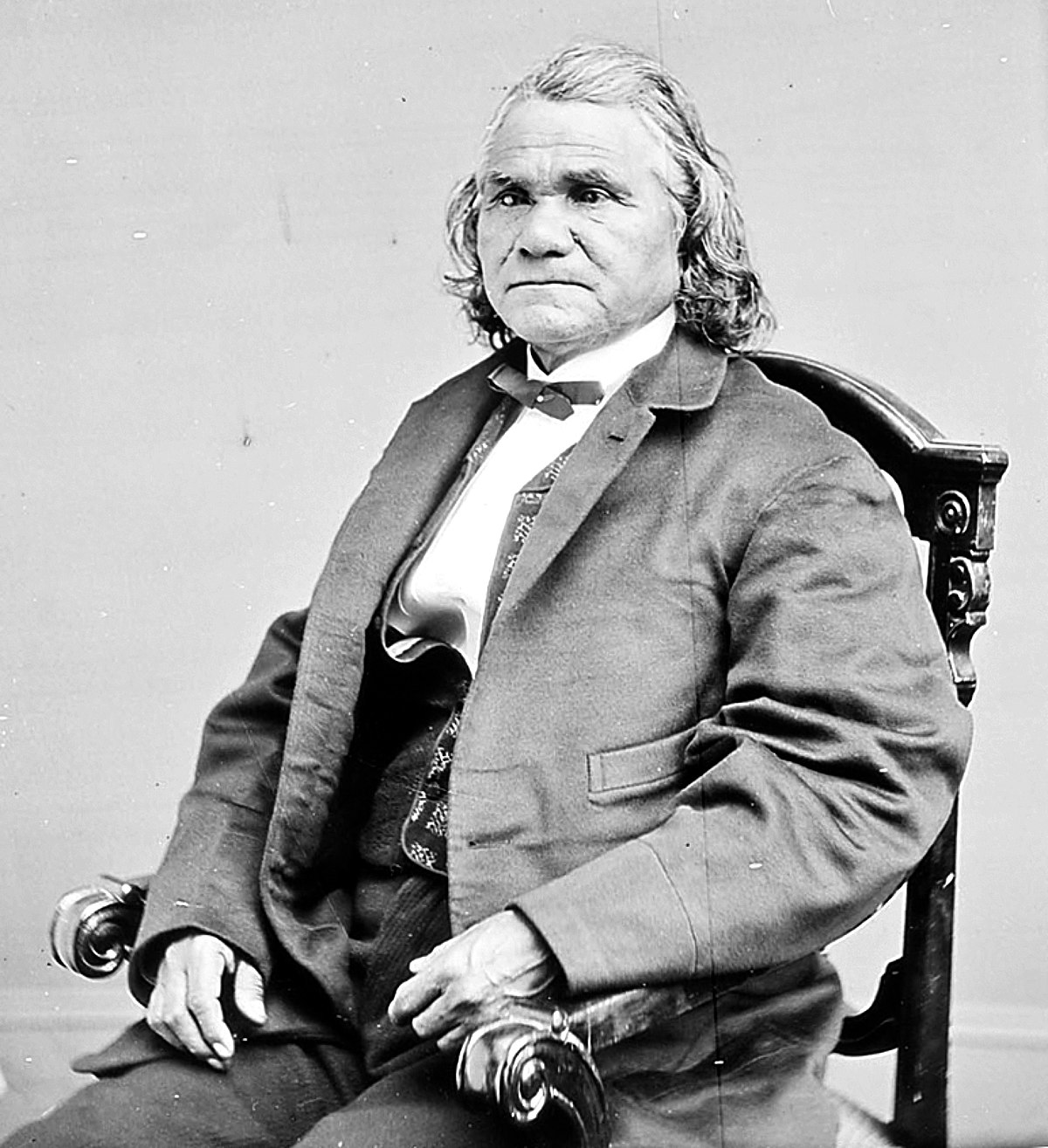
Stand Watie
Culled from: Portraits of the Civil War
Prisoner Du Jour!
Prisoners: Murder, Mayhem, and Petit Larceny is a collection of seventy portraits of turn-of-the-century prisoners in the town of Marysville, California and the fascinating contemporary newspaper and prison accounts describing the crimes of which they were accused. The photos themselves are more fascinating than most of the crimes. There’s something magical about glass plate negatives that you just can’t reproduce with modern photography. And I think people just had more character back in the day – or at least it seems that way.
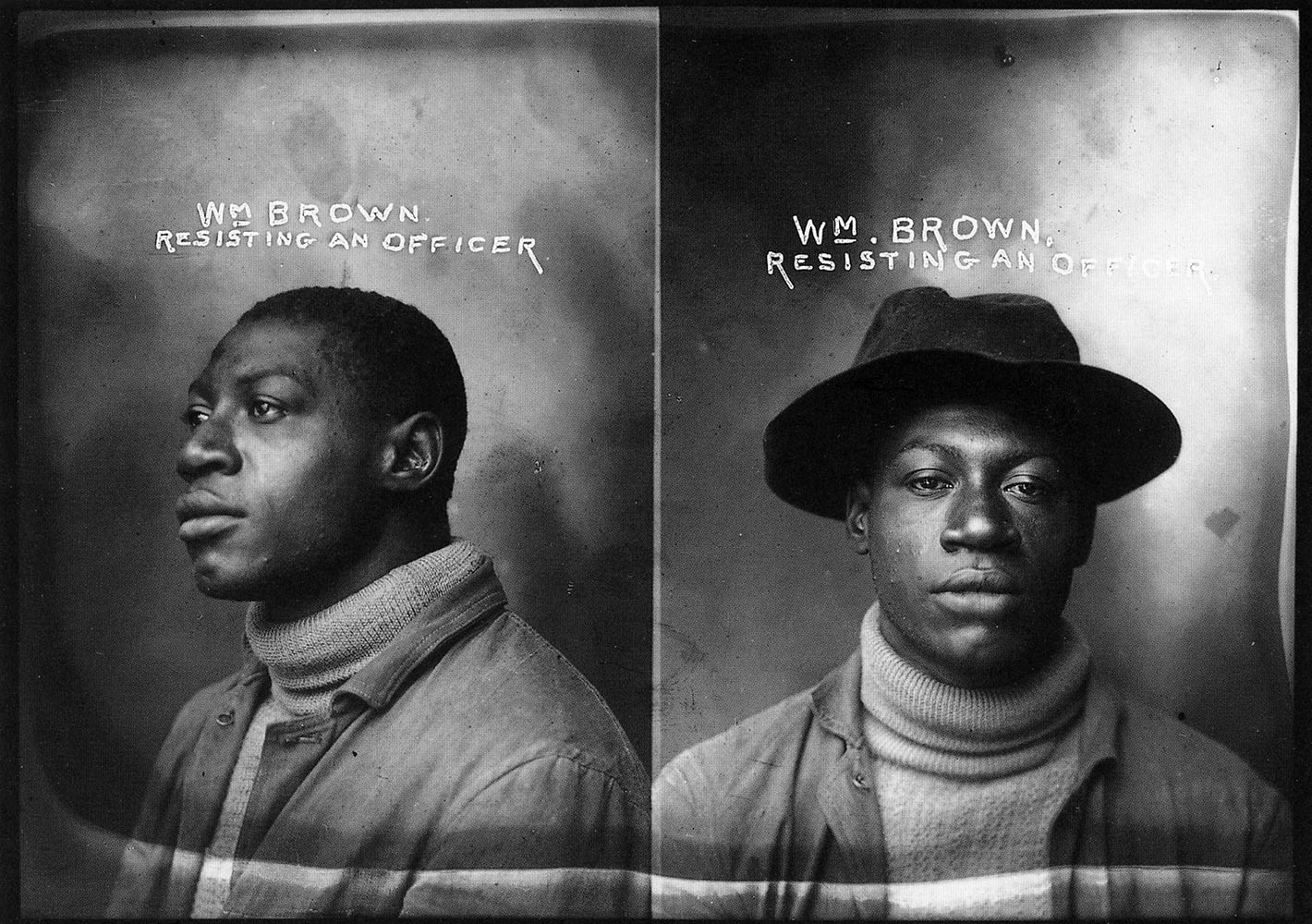
WM. BROWN
NEGRO STOOD OFF OFFICERS
AMUSING INCIDENT WITNESSED LAST EVENING ON D STREET.
A negro who gave his name as William Brown, and who claims to have come from Oroville, created some excitement on the streets early last evening by running down D street with Officer Colford in close pursuit.
It seems that Colford had some trouble with the negro, who had been drinking quite freely on Oak street, and when the officer undertook to place him under arrest he picked up a rock in the street and threatened to pelter the officer if he attempted to arrest him.
The negro refused to surrender unless shown a star or other warrant of arrest.
Colford drew his pistol, but the negro backed down Second street to D and up D to Fourth, waving his hand, in which he held the large and formidable appearing rock.
Colford followed along, but failed to get close enough to place the fellow under arrest, and when nearly to Fourth street Deputy Sheriff Steve Howser pulled his gun on the negro, and told him to halt. This only made him travel faster, and while backing across D street at Fourth he ran into Officer Single, who tapped him on the shoulder with his club and brought him to time. He was then taken to the City Prison by Officer Single, where he will be cared for.
One of the largest crowds ever seen on the streets witnessed the rather unusual performance and as it was exceedingly amusing nearly everyone present had some comment to make or free advice to offer to the negro and Deputy Sheriff. There are some who are of the opinion that the negro thought he was going to be lynched and a coil of rope produced at about that time would have probably sent him flying down the street at double quick time. [May 26, 1906]
IN THE POLICE COURT
William Brown, who was charged with resisting an officer, was given an opportunity to plead guilty to a charge of disturbing the peace. He pled guilty and was sentenced to serve fifty days in the county jail. [June 1, 1906]
As Morrissey once sang, “This story is old, but it goes on.” Except today, the officer would shoot. Sigh…