Today’s Rocking Yet Truly Morbid Fact!
Here’s a very topical entry from Minnesota 1918:When Flu, Fire, and War Ravaged the State, discussing the 1918 Influenza epidemic:
A deafening chorus of thirty wailing children, “standing in their cribs screaming their hearts out,” greeted Pearl Melver at 9:00 p.m. on the top-floor pediatric ward of the University of Minnesota Hospital. It was the fall of 1918 and her first overnight shift as a student nurse. The kids ranged in age from two to ten. “All were desperately sick,” Melver recalled, forty years later.
Many of the children had been brought to the hospital in paddy wagons. Police bundled and loaded them up after finding their parents dead or dying from the influenza outbreak that arrived in the state that September. It was first delivered by a sick soldier, returning from Camp Sheridan north of Chicago to his small southern Minnesota farm town of Wells (population: about 1,800).
Within forty-eight hours, Wells had two hundred residents sick with the flu; seven came down with pneumonia and one man died. By October 12, when the fire erupted up north, 2,538 cases were reported across the state. Minneapolis added up another 1,538 cases. St. Paul reported 210 sick with the flu at Fort Snelling, and other military posts counted 1,000 sick soldiers. By the end of the outbreak, 75,000 Minnesotans would contract the disease.
Minneapolis banned all public gatherings as of midnight October 12. Long lines queued up that evening at the city’s vaudeville and motion picture theaters where weary citizens looked for one last dose of entertainment as darkness fell.
More than twenty nurses quickly took sick at the University of Minnesota Hospital. The staff was already stretched thin by the Great War gobbling up all the medical personnel it could find and shipping those doctors and nurses overseas. “The medical fraternity is severely taxed,” a Minneapolis Tribune editorial fretted on October 3, 1918, “So many physicians and surgeons have gone to Europe or to training that those at home have more than they can attend to comfortably and to good advantage.”
The hospital banned visitors. Only flu patients were admitted for eight weeks that autumn before the hospital halted accepting any new patients. On the maternity ward, four patients a night were moved to the hallway when their lungs filled with liquid. Screens went up around them as they waited to die so the staff could tend to the more hopeful. The pediatric ward, which typically cared for fifteen sick children, was double-booked. Overflowing with flu-stricken patients, the hospital turned to medical interns and nursing students, like twenty-five-year-old Pearl McIver.
She was born in the west-central Minnesota hamlet of Nora, the youngest of eight. Her mother died when pearl was four. After attending teacher college in Mayville, North Dakota, she taught for three years in rural schools before enrolling at the University of Minnesota’s School of Nursing, the first such program attached to a major university when it began in 1909.
Besides the crying children, McIver was greeted that first night by an exhausted day-shift staff. Following regulations, they wore tight white masks, white gowns, and snug-fitting white caps. Those regulations would prove utterly ineffective in preventing the staff from contracting the deadly virus. Adding to the harrowing experience, the alien appearance of the medical staff freaked out the already traumatized kids. “Imagine the terror of those children,” Pearl said. “To find themselves in a strange environment among a bunch of ghosts.”
The day-shift staff was reluctant to clock out and leave a junior nursing student alone until 7:00 a.m. in a pediatric ward with thirty sick children. But Pearl had an idea, which she kept to herself, as she urged the day shifters to go on home. She would be fine alone.
“As soon as the last nurse had left, ” she recalled. “I pulled off my mask and cap so I would look more like a human being.” Then, one by one, she wrapped the babies in their blankets and rocked them in an old, white rocking chair in the pediatric ward. (Years later, she wondered why the chair was there at all because “picking up any child was strictly against pediatric regulations” of the era.) Gradually, the wailing subsided as the children “responded so well to seeing a person who looked ordinary and who gave them a little cuddling,” she said. By midnight, all the kids “fell into a relaxed sleep.” as each woke up, she forced them to drink fluids – the key to their treatment regimen.
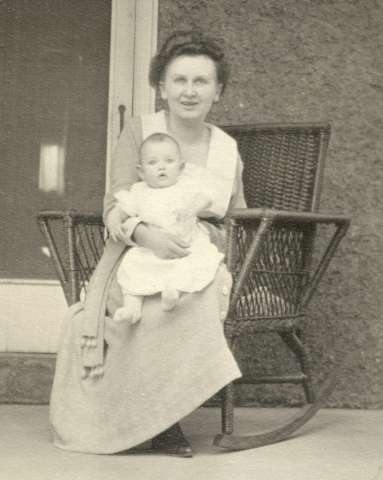
A woman and baby during the Influenza epidemic
Four nights later, Pearl was again the midst of what she called her “rocking episode” when someone walked into the ward and startled her. The horrified man, a medical intern, asked, “What on earth are you doing?” Figuring her days as a student nurse were about to end, Pearl shot back, “These children are scared stiff and I’m merely trying to make them feel comfortable and at home.”
An awkward pause followed before the young doctor in training asked: “Have you a second rocking chair?” Every night for weeks after that, he arrived at ten o’clock, stripped off his mask, and rocked the sick children alongside the student nurse. Neither he nor Pearl “ever told a soul about our night routine in pediatrics.”
Culled from: Minnesota 1918:When Flu, Fire, and War Ravaged the State
Car Crash Du Jour!
Deathsentences of the Polished and Structurally Weak is an album and booklet by Negativland. The band describes the project as “a 6 by 12 inch 64-page full-color book which comes with a 45-minute CD soundtrack.” I’m not interested in the band Negativland, but I own a copy of this objet d’art macabre because car crashes are fascinating… and this is very similar to a project I wanted to do years ago but never got around to completing (nothing new there). What they did was go to junkyards and look for notes left behind in the smashed cars and display them together. Of course. you’re left wondering – did the person who wrote the note or for whom the note was intended live or die? I have no answers… but speculating can be its own entertainment, and so I present to you this entry.
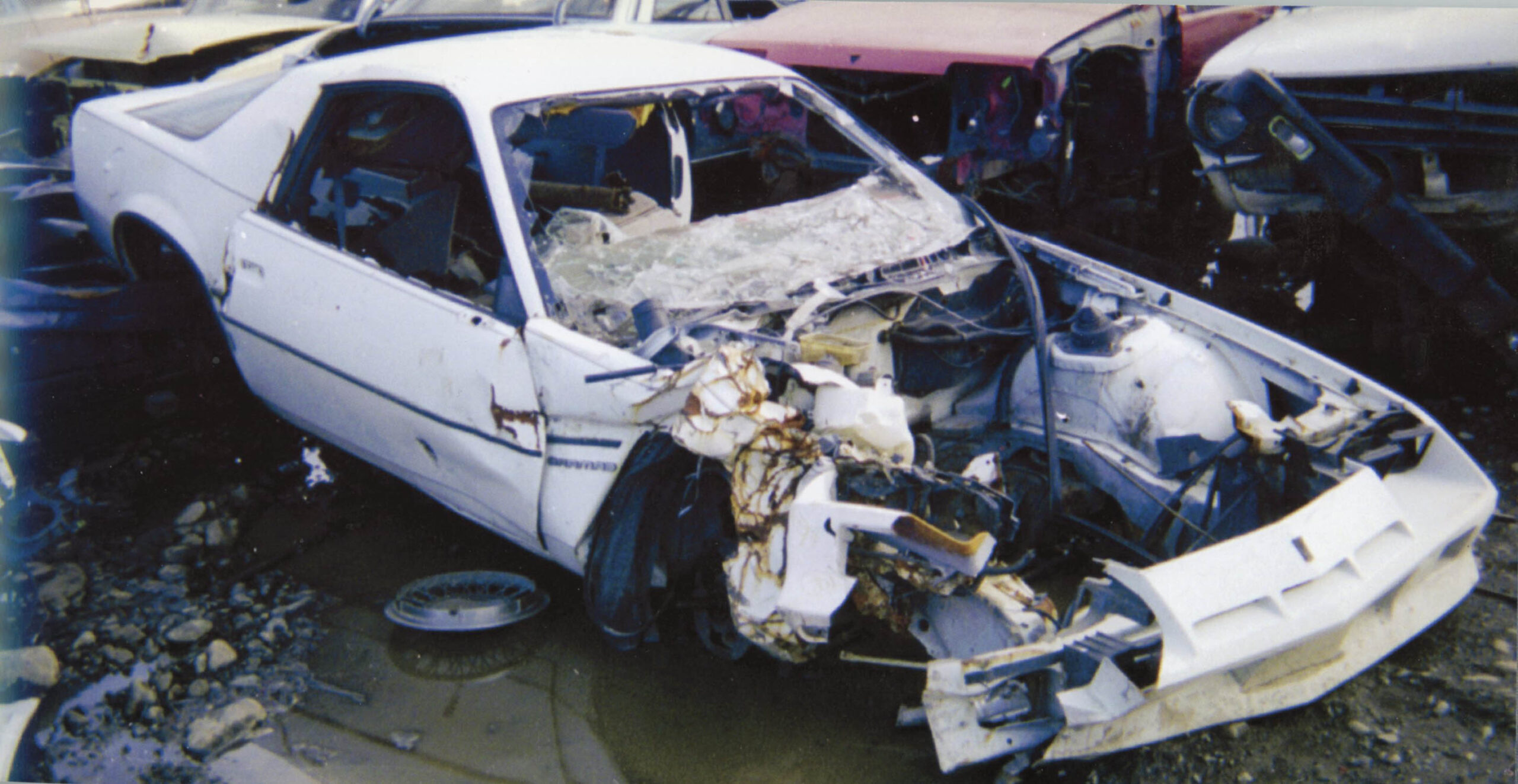
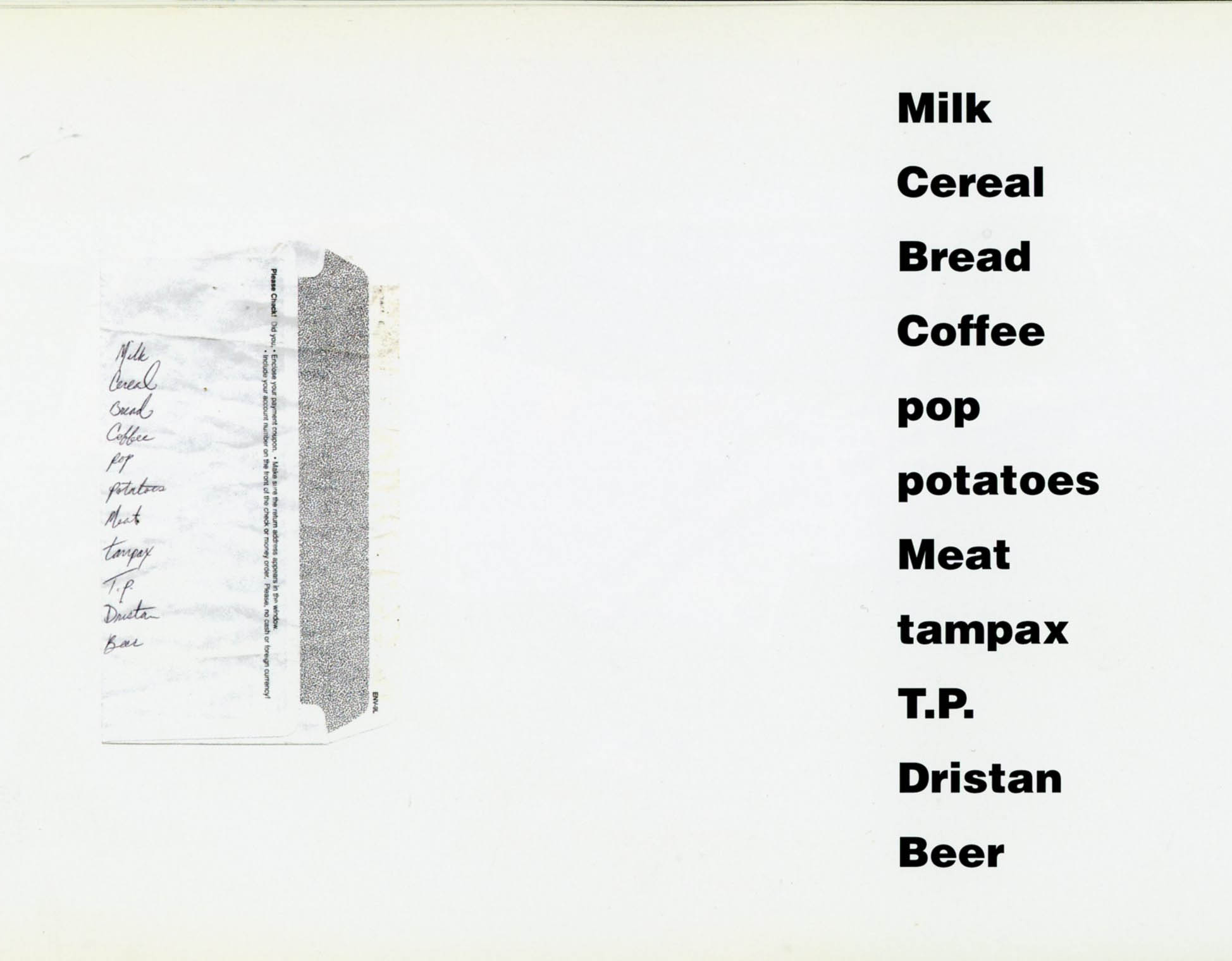
What do you think? Was this a fatal crash or not?