Today’s Hallucinogenic Yet Truly Morbid Fact!
Ergotism is a toxic condition produced by eating grain, grain products (such as rye bread), or grasses infected with the Claviceps purpurea fungus. Nineteenth century medical historian August Hirsch was puzzled by the phenomenon of ergot poisoning producing gangrenous disease in some regions such as France, but the convulsive kind in others such as Russia and Germany. Subsequent research, however, seems to have resolved the problem by showing that the difference in symptoms depended most on which alkaloids were produced by a particular Claviceps strain. In the convulsive form of the disease the central nervous system is affected when ergotism causes the degeneration of areas of the spinal cord. Anxiety, vertigo, noises in the ears, sensations of being bitten or pricked, even stupor, were among its many symptoms. Often the limbs contracted convulsively, which produced staggering, twitching and other uncoordinated movements. Another symptom was the psychosis that ergotism can produce because ergot alkaloids contain hallucinogenic properties. (In fact, LSD can be extracted from the basic ergot alkaloid.) Most victims recovered, but often not for a long period of time and not without lingering stiffness in the joints, optic disorders, even severe mental impairment.
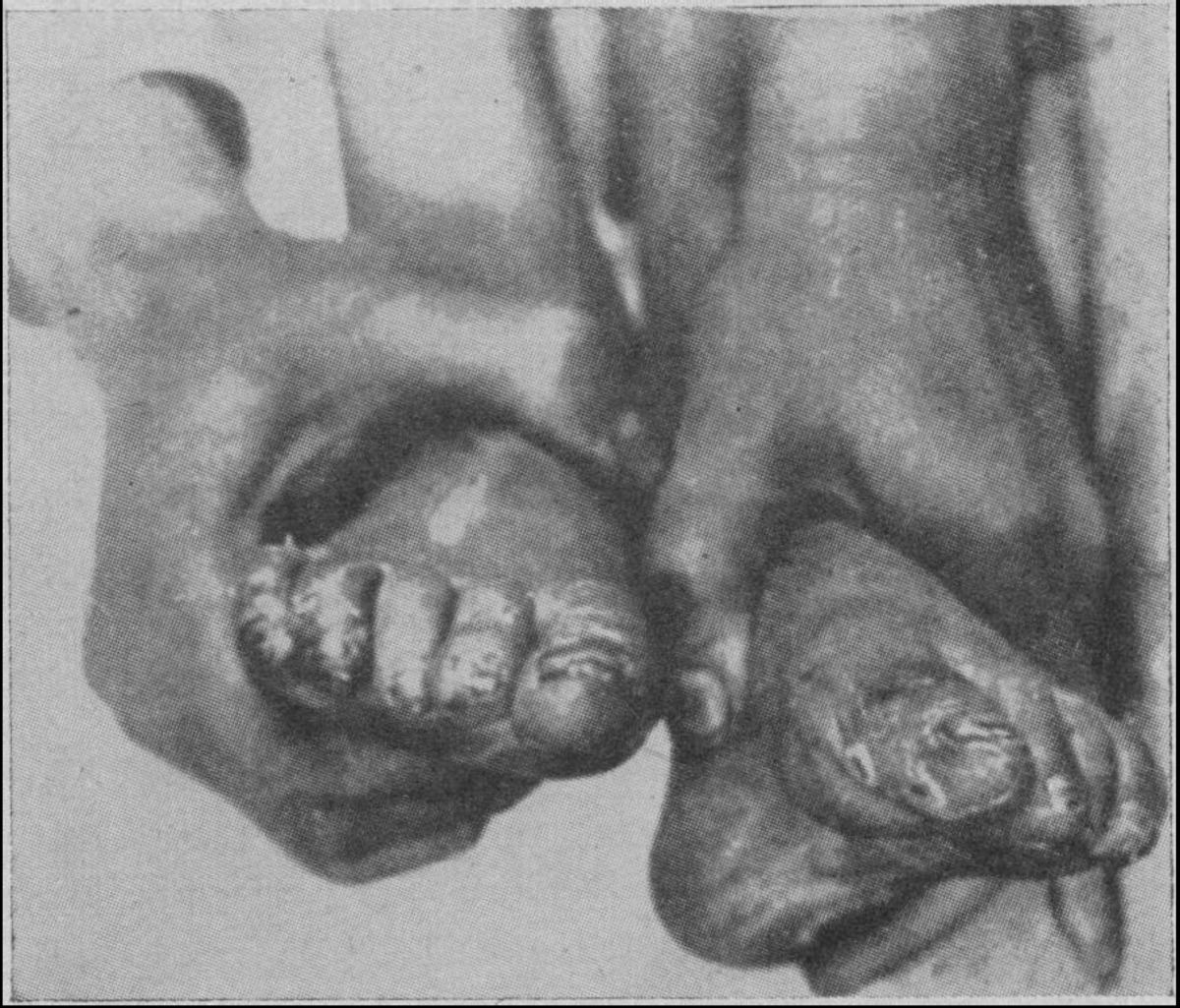
Advanced ergotism with gangrene
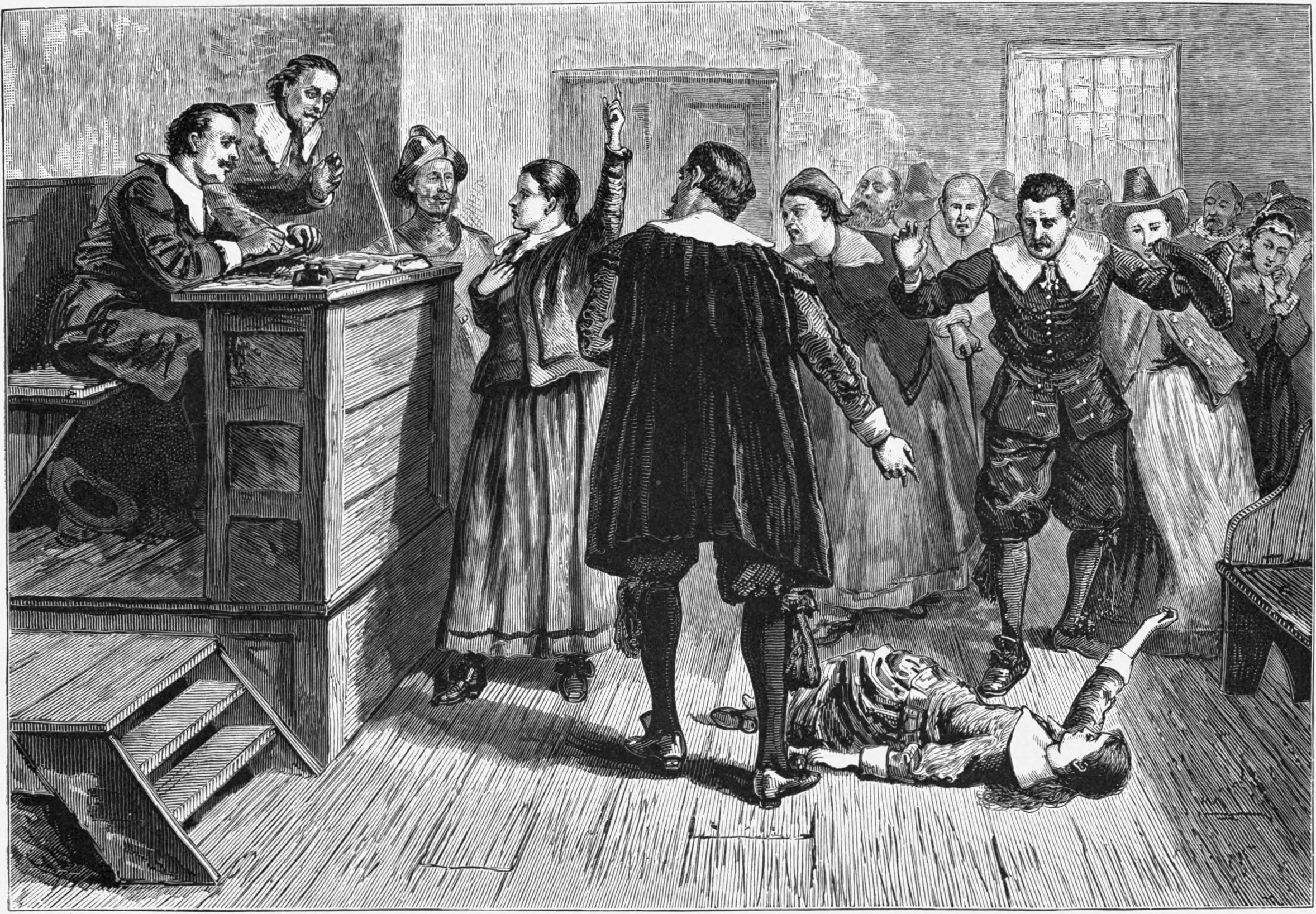
One interesting example of the historical implications of convulsive ergotism is discussed by Mary Kilbourne Matossian in the context of the Salem witchcraft trials of 1692 in North America which, following an explosion of accusations and confessions, saw the arrest of some 250 persons suspected of witchcraft and the execution of nineteen of them – five men and fourteen women. The ‘bewitched’ were children and young women who were thought to have symptoms of diabolical possession but which most likely were those of ergot poisoning. Was rye produced in Salem Village and other parts of Essex county in the late seventeenth century? Yes, Was there ergot in the rye? Ergot produces a red color in bread and three Essex county women who attended a witch sacrament declared that their sacramental bread was red. What symptoms did those allegedly bewitched display? Twenty-four of the thirty victims experienced ‘fits’ and hallucinations along with the sensation of being pricked or bitten. Others reported feeling a burning in the fingers, lameness and temporary blindness.
Thank goodness for Science, amIright???
Three of the afflicted died, along with several cows, the animal deaths easily explicable as the result of ingesting wild grasses infected with ergot. At the very least, the animal as well as the human deaths suggest that something was going on in Salem and Essex county. It cannot all feebly be put down, as in the past, to suggestible children and teenage girls feigning symptoms which some die-hards believed were evidence that Satan was at work. The youth of the victims may be another clue when we remember that, as a rule, the young will consume more food and consequently more ergot per unit of body weight than adults. Moreover, it is also the case that adolescents are especially susceptible to mental disturbances from ergot poisoning. [Not just from ergot poisoning! – DeSpair]
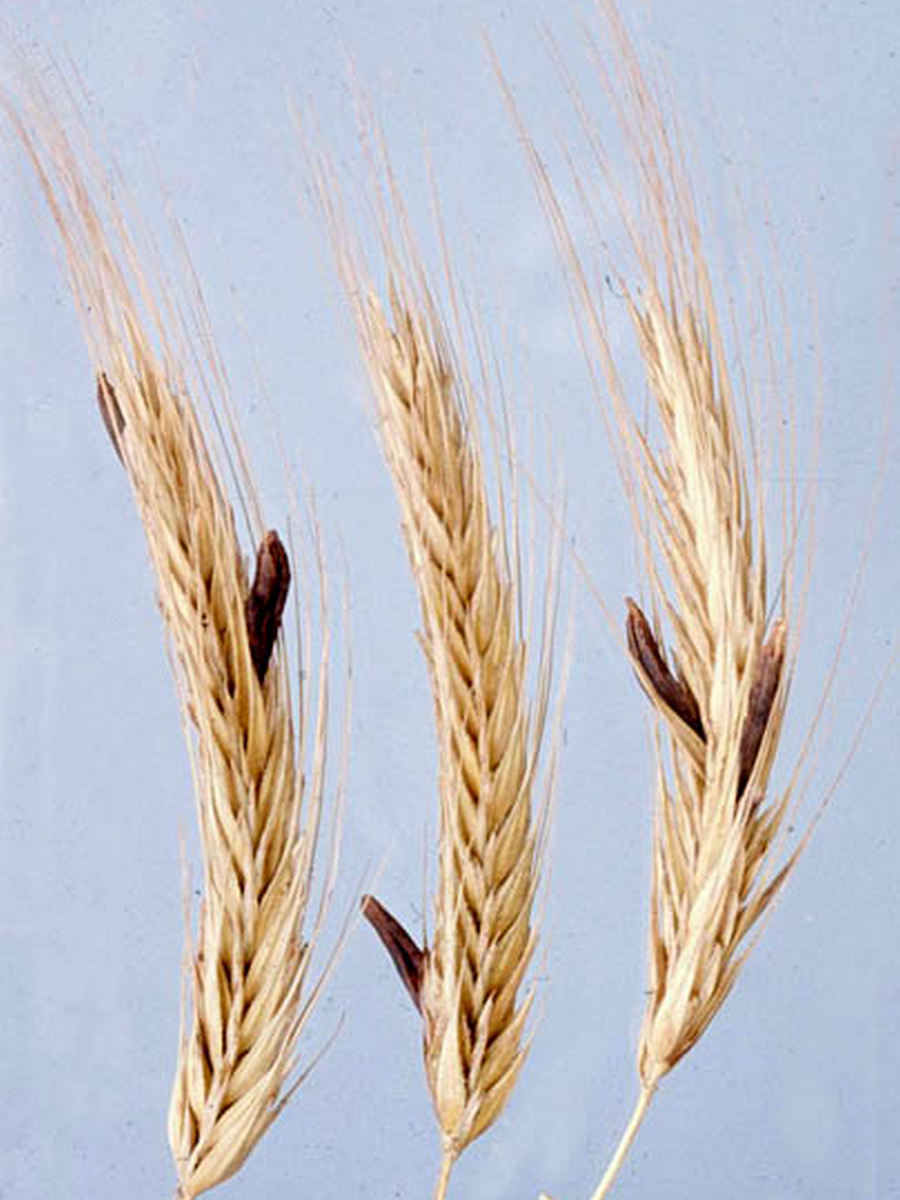
Beware Claviceps purpurea!
Other evidence shows that winters were turning colder and that much of the land planted in Salem was low-lying and wet – all conditions in which ergot grows best. So, Matossian makes a good case that an outbreak of ergotism lay behind the Salem witchcraft accusations of 1692. This opens the door to the possibility of ergot’s deadly mischief having been at work in other religiously charged historical situations.
Culled from: Plague, Pox & Pestilence: Disease in History
Mütter Museum Specimen Du Jour!
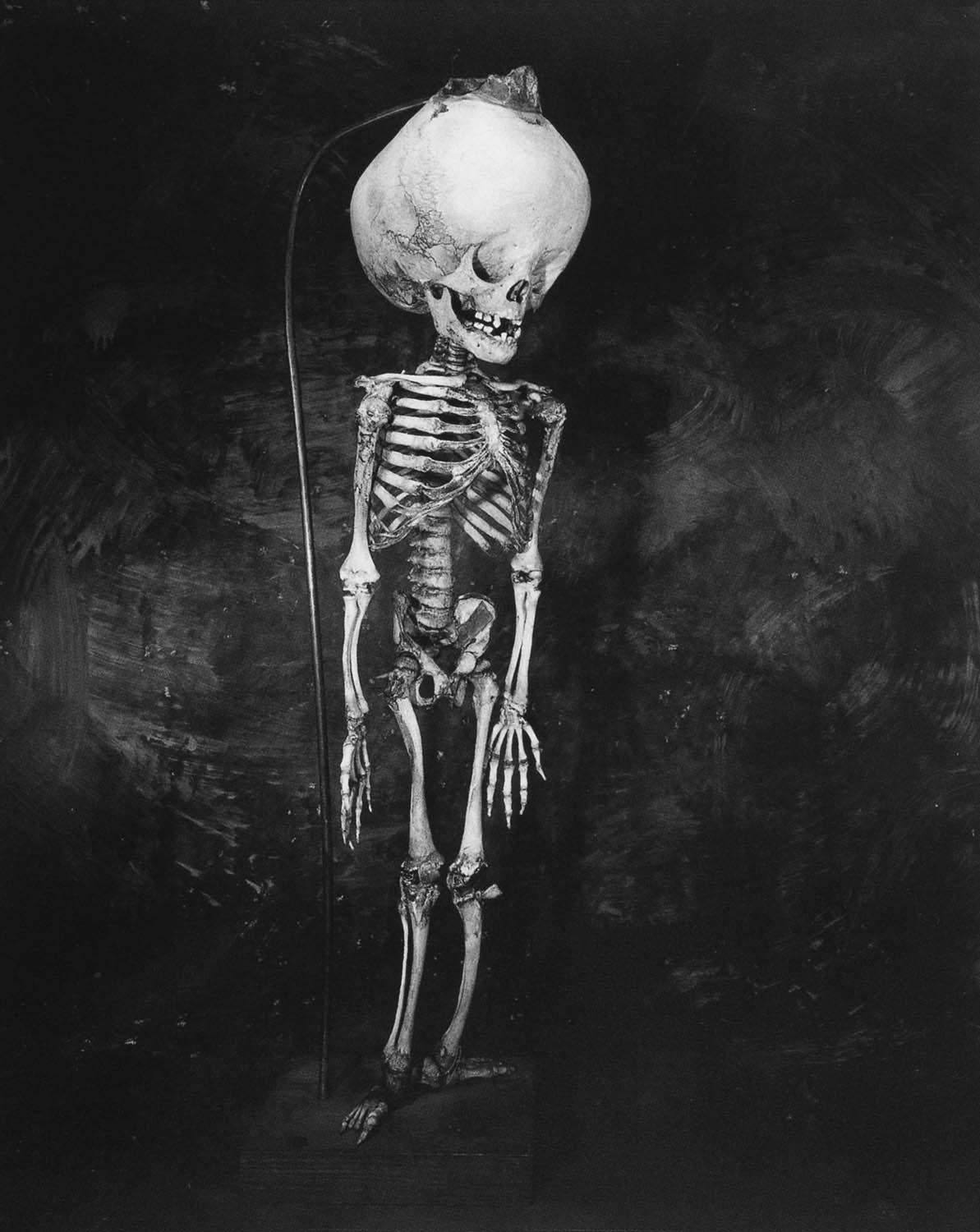
Skeleton No. 1, 1985 Gwen Akin and Allan Ludwig, platinum print
Skeleton of a seven-year-old male who died in 1882 of hydrocephalus. The circumference of the skull measures 70.5 cm (27 3/4 in.) Purchased 1882 and presented to the Museum by Dr. Richard H. Haute.
Culled from: Mütter Museum of the College of Physicians of Philadelphia