Today’s Afflicted Yet Truly Morbid Fact!
Townhouses give a city architectural balance; they soften the heavy presence of commercial and institutional buildings. Among the fashionable of New York it is now considered chic to own one. The handsome facades have not been altered since the Gilded Age, but the interiors have, and for good reason. In their heyday these houses were stuffy, difficult to maintain and occasional injurious to health.
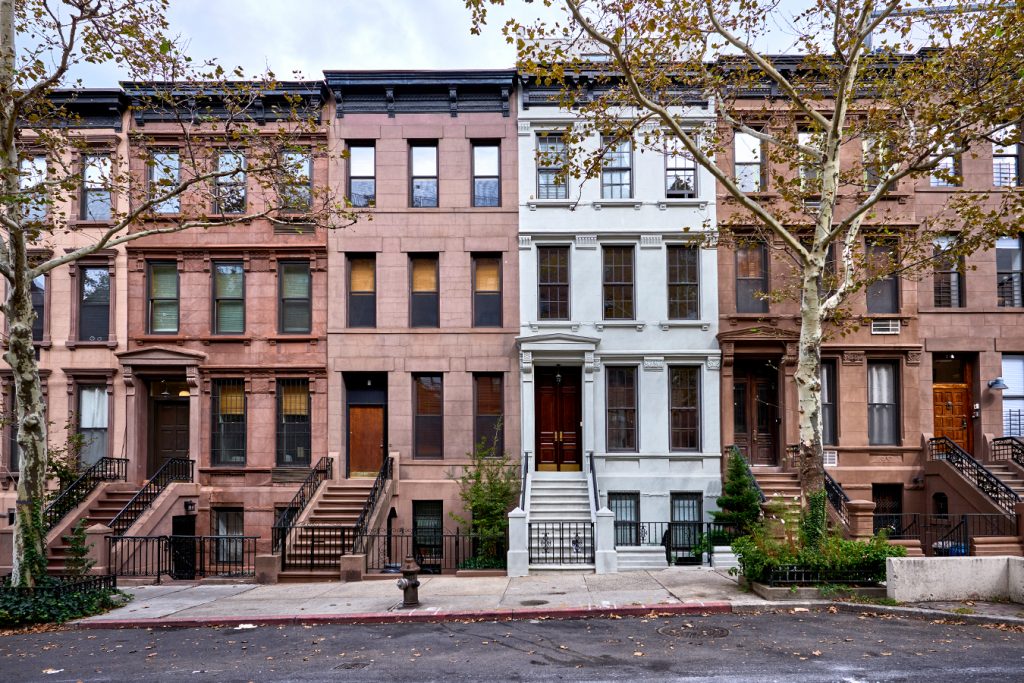
New York City townhouses
A basic problem was the polluted air that permeated almost all sections of the city. Brownstone residents were advised to keep their windows permanently shut against outside air, which was “redolent with a mixture of soot, factory vapors, and animal stenches.” Indoors, because of the lack of ventilation, the air was comparable in quality, if not worse. Sewer gas from primitive drainage systems posed a constant peril to health; dampness and odors plagued the homes of rich and poor alike.
The indoor air was befouled further by the standard coal stove, which gobbled oxygen in exchange for soot and dust. Central steam heat provided a costly ($2000-$4000) alternative in the 1880’s, but the early radiators were afflicted by a novel form of nuisance, water hammer and hissing. One wonders if the brownstone resident annoyed by these noises was consoled by the thought that the air was cleaner.
In one area of personal care, the Victorians appeared untroubled: they seldom bathed. Glorification of the bathroom is a modern fetish. In 1882 only 2 percent of New York’s homes had water connections, and these in all probability were leaky and, if attached to a stove, dangerous. Bathing was considered harmful by some doctors, and one, C. E. Sargent, described it as “a needless waste of time.” In an ornate or overstuffed townhouse regular chores, from bathing the baby (generally approved) to dusting and cleaning, were a grinding toil, but most wearisome of all was cooking. Preparation of a Victorian dinner was a monumental task in a kitchen of spartan design.
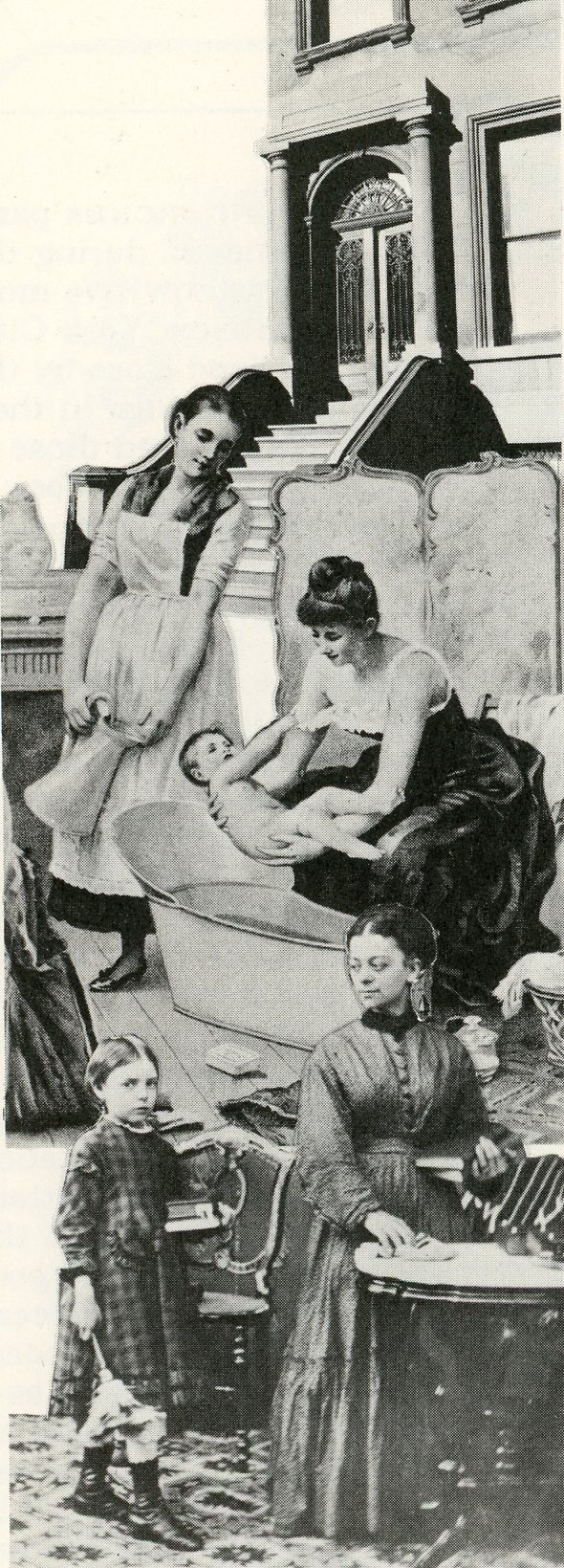
Washing the babe, 19th century-style
The servant problem was insoluble. In general, American girls were too proud to seek menial jobs, and immigrant girls were unsatisfactory as a result of the language barrier, their temperament, or their ignorance of domestic social customs. And capable girls refused to stay because of the enormous workload, the townhouse requiring “an unremitting war with its refusal to stay clean, orderly, warm, ventilated, nourishing and pleasant.”
Culled from: The Good Old Days, They Were Terrible!
Malady Du Jour!
The Dr. Ikkaku Ochi Collection is a fascinating cluster of medical photographs from the late 19th and early 20th century that had been collected by Dr. Ikkaku Ochi in Japan and were found in a box many years later. There was no detailed information available for most of the photos, but the images are compelling because they show composed portraits of people suffering through intense pain caused by conditions that in most cases would be resolved through treatment today. There’s a sense of overwhelming sadness that comes through in these pictures, but also dignity and strength.
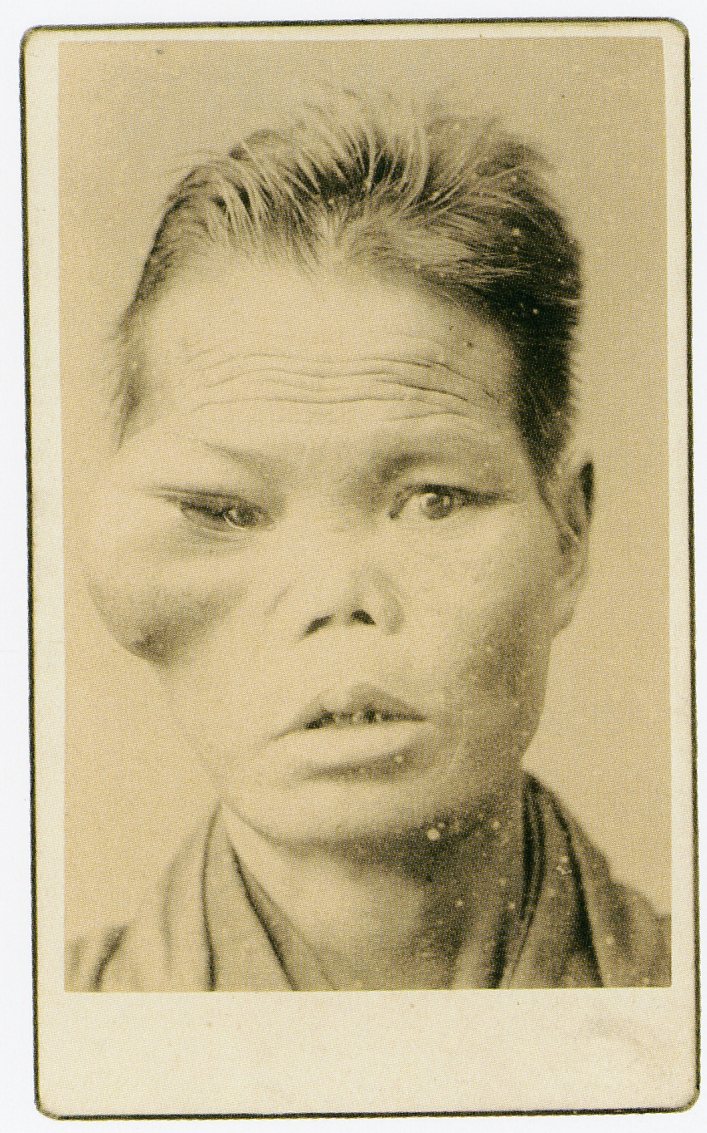
I’m thinking tumor. Any other ideas?
Andersonville Prisoner Diary Entry Du Jour!
This is the continuation of the 1864 diary of Andersonville prisoner Private George A. Hitchcock (see the archived version for all entries up until now).
Here’s today’s entry:
November 4th. Clear, but very cold wind. Suffered for want of shelter and clothes. We were formed into detachments as before, and marched inside, where we drew rations of rice, meal, beef, beans, and salt. Camped by the side of the creek. Find this place nice, clean, and roomy, though about ten thousand of our old prisoners are here.
Culled from: Andersonville: Giving Up the Ghost