Today’s Poisonous Yet Truly Morbid Fact!
Methyl or Wood Alcohol, commonly abused as a substitute for grain alcohol during Prohibition, wasn’t one of those poisons, like cyanide, that could make one violently sick in a few minutes and kill in less than a quarter-hour. Drinking white mule didn’t feel like swallowing poison. Not at all. It felt like sharing a friendly drink on a corner, in a basement bar, giving the familiar buzzing sense of intoxication.
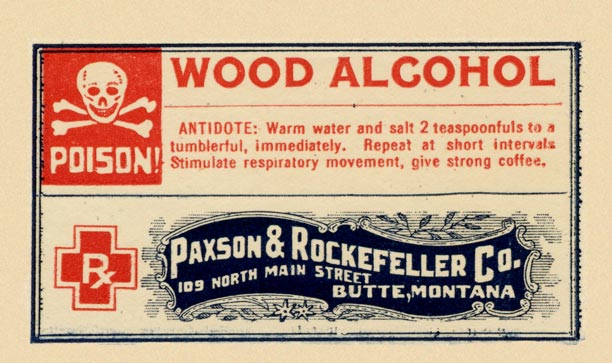
If a drinker cared to notice, the first difference between methyl and grain (ethyl) alcohol was in how long the buzz lasted. With methyl alcohol, the period of cheerful inebriation was shorter; the sensation of a hangover could come within an hour or two. If the dose was high enough, a few drinks rapidly led to headache, dizziness, nausea, a staggering lack of coordination, confusion, and finally an overpowering need to sleep. When New York City chief medical examiner Charles Norris called methanol pure poison, he wasn’t exaggerating. The lethal undiluted dose was as little as two teaspoons for a child, perhaps a quarter cup for an adult man. That modest amount, far too often, was a direct path to blindness, followed by coma, followed by death.
Unlike the grain alcohol served before Prohibition, methyl alcohol is not easily broken down in the body. The enzymes in the liver that neatly dispatch ethyl alcohol struggle with methyl. As a result, the more poisonous version lingers in the system, simmers longer in the organs, and metabolizes away only slowly. And as it stews, it becomes more poisonous. The primary by-products of methyl alcohol in the human body, as chemists had discovered, are formaldehyde and formic acid.
Formaldehyde is a known irritant poison, capable of causing severe internal damage, and formic acid is equally destructive, best known by scientists as an essential part of the venom in bee stings. People poisoned by methyl alcohol would often seem to recover from that first bout of dizzy sickness, feel better while the alcohol was being metabolized, and then ten to thirty hours later be poisoned again by the breakdown products.
First, their vision would blur. The optic nerve and retina are acutely vulnerable to formic acid salts. The nerve, with its continual processing of images, runs in a high metabolic state, causing blood to circulate through it rapidly – which causes poison to be delivered there continuously. Autopsies often revealed a startling atrophy of the optic nerve area, the surrounding tissue swollen, bloody, and spongy. Methyl alcohol and its by-products caused similar damage in the parietal cortex, a region of the brain essential in processing vision. It concentrated as well in the hardworking lungs – the breakdown of pulmonary tissue was what usually killed people.
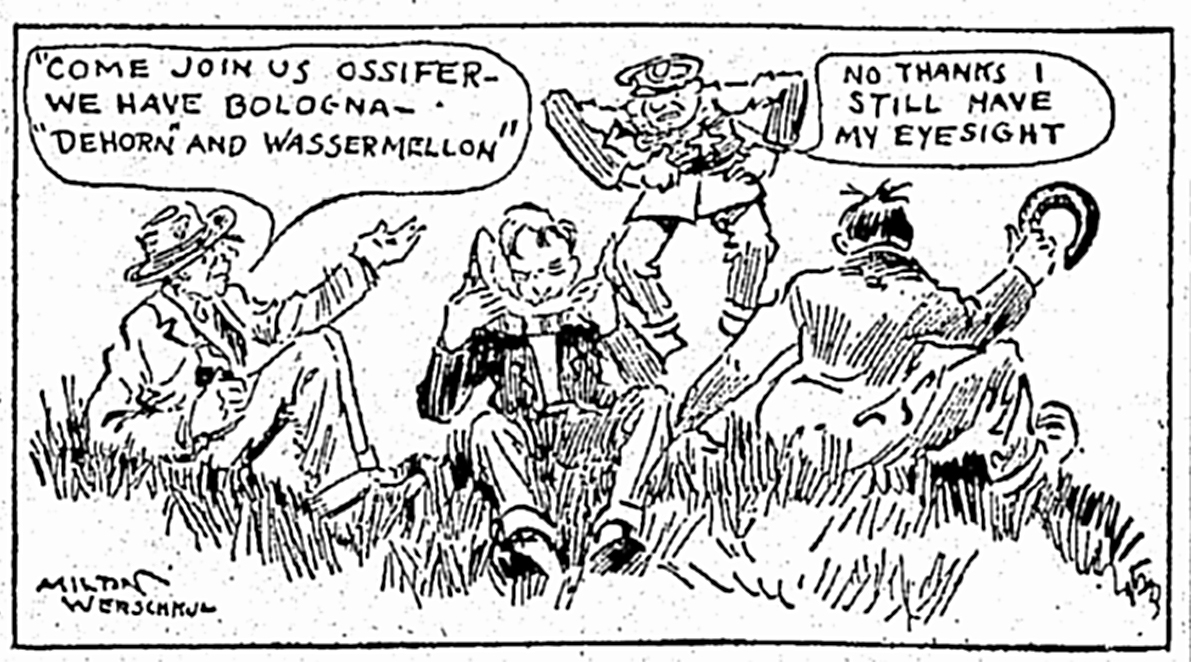
Culled from: The Poisoner’s Handbook: Murder and the Birth of Forensic Medicine in Jazz Age New York
Dissection Du Jour!
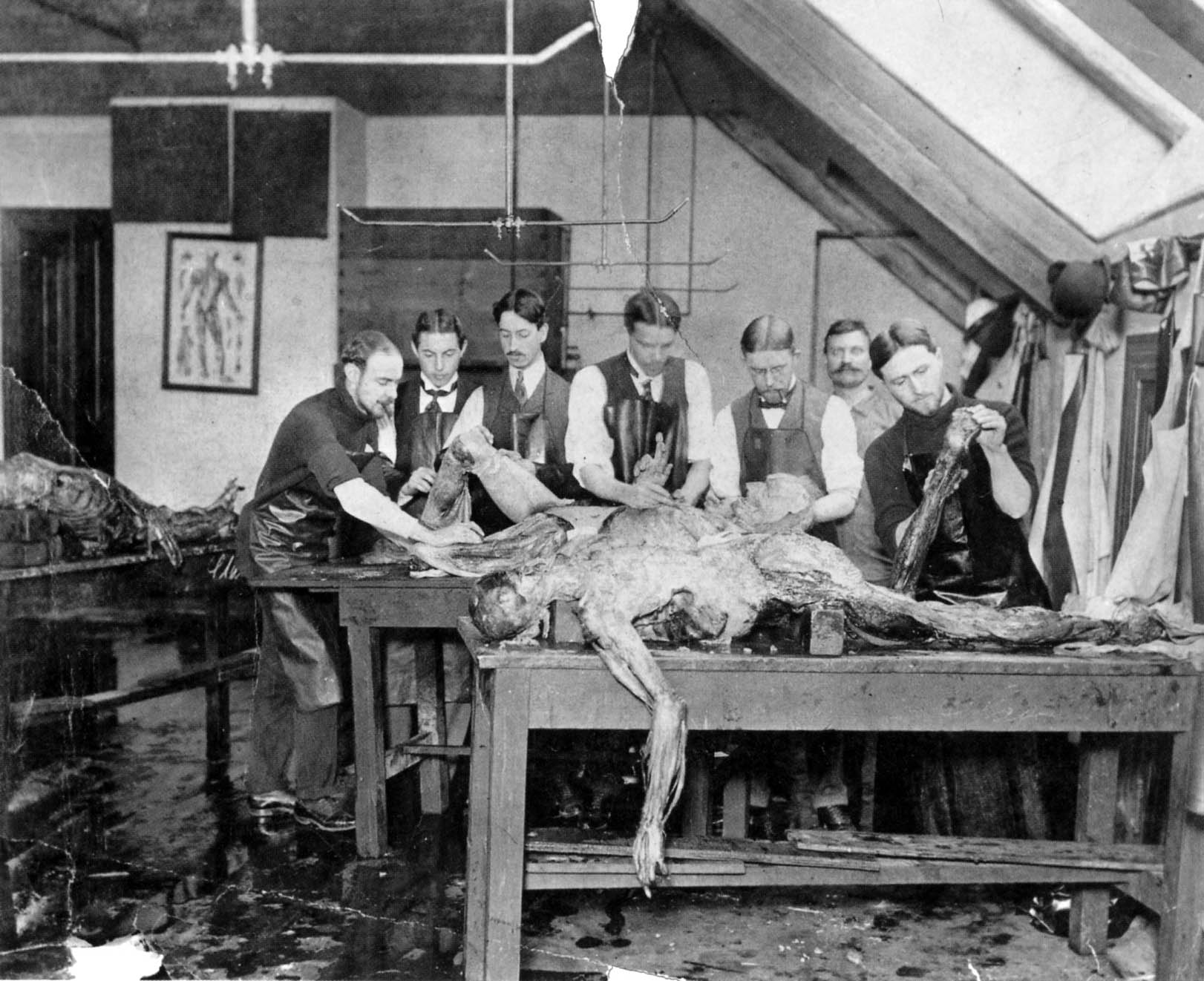
University of Minnesota Medical School, Minneapolis, ca. 1890.
The top floor of a medical school building, where skylights let in natural light, was a favored site for the dissecting room.
Minnesota Historical Society, Minneapolis.
Culled from: Dissection: Photographs of a Rite of Passage in American Medicine: 1880-1930