Today’s Powerfully Built Yet Truly Morbid Fact!
The Jekyll and Hyde syndrome can be seen clearly in the case of the Chicago murderer William Heirens, only 18 years old at the time of his arrest. Heirens had been sent to various correctional institutions for burglary. His motive was sexual – he broke in to steal women’s underwear, and when he was finally caught, the attic of his house was found to be full of stolen panties. He soon reached the stage where actually climbing in through an open window could induce sexual excitement, and even orgasm.

Handsome William
On October 1, 1945, the 16-year-old Heirens – already a powerfully built, good-looking boy – broke into the apartment of a nurse, and when she interrupted him, struck her with an iron bar and tied her to a chair. He then left and went back to his classes at the University of Chicago, where he was known as a brilliant student. The police found fingerprints, and wondered whether the sturdy youth could have been responsible for an unsolved murder that had taken place the previous June. A 43-year-old divorcee, Josephine Ross, had been found in bed in her North Side apartment, her throat cut and with many stab wounds; it looked as if she had been attacked by a burglar.
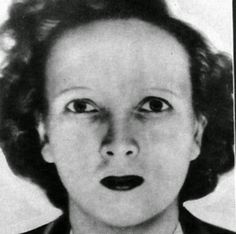
Josephine Ross
Then, on December 10, 1945, a maid entered the sixth-floor apartment in the Pine Crest Residential Hotel and discovered a body draped over the bath tub. It was Frances Brown, and she had been shot and stabbed. Apparently she had walked naked out of the bathroom and bumped into a burglar. Above the bed someone had scrawled in lipstick: “For God’s sake catch me before I kill more. I cannot control myself.”
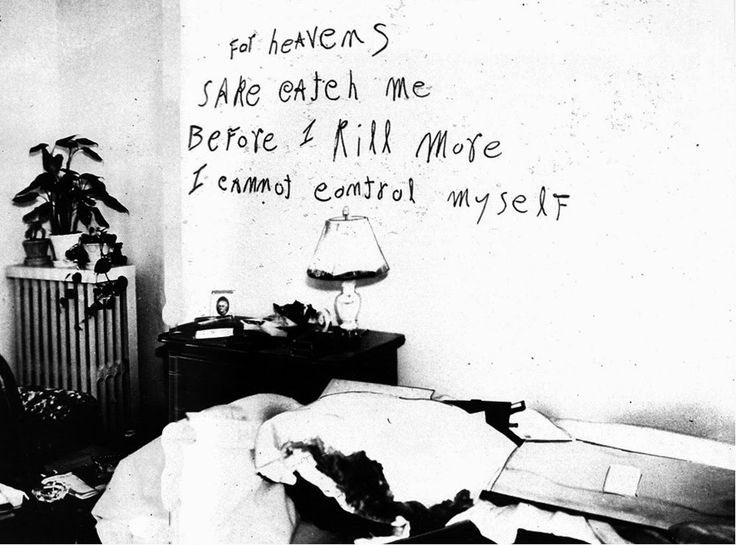
Frances Brown’s crime scene
The odd thing was that the killer had dragged the body to the bath and washed off the bloodstains. Just as the blood had been washed off the body of Mrs. Ross with wet towels. The detective in charge of the case warned his men: “He will kill again unless we catch him.”
A month later, on January 7, 1946, the parents of six-year-old Suzanne Degnan went to her bedroom and found she was missing from her bed. A ransom note demanded $20,000 and ordered “Burn this for her safety.” Police searched the area, and Suzanne’s head was found in a sewer. In other local sewers, police found more parts of her body. The killer had carried her down a ladder, into a nearby basement, and there strangled and dismembered her. He had then carefully washed the pieces of the body before disposing of them.
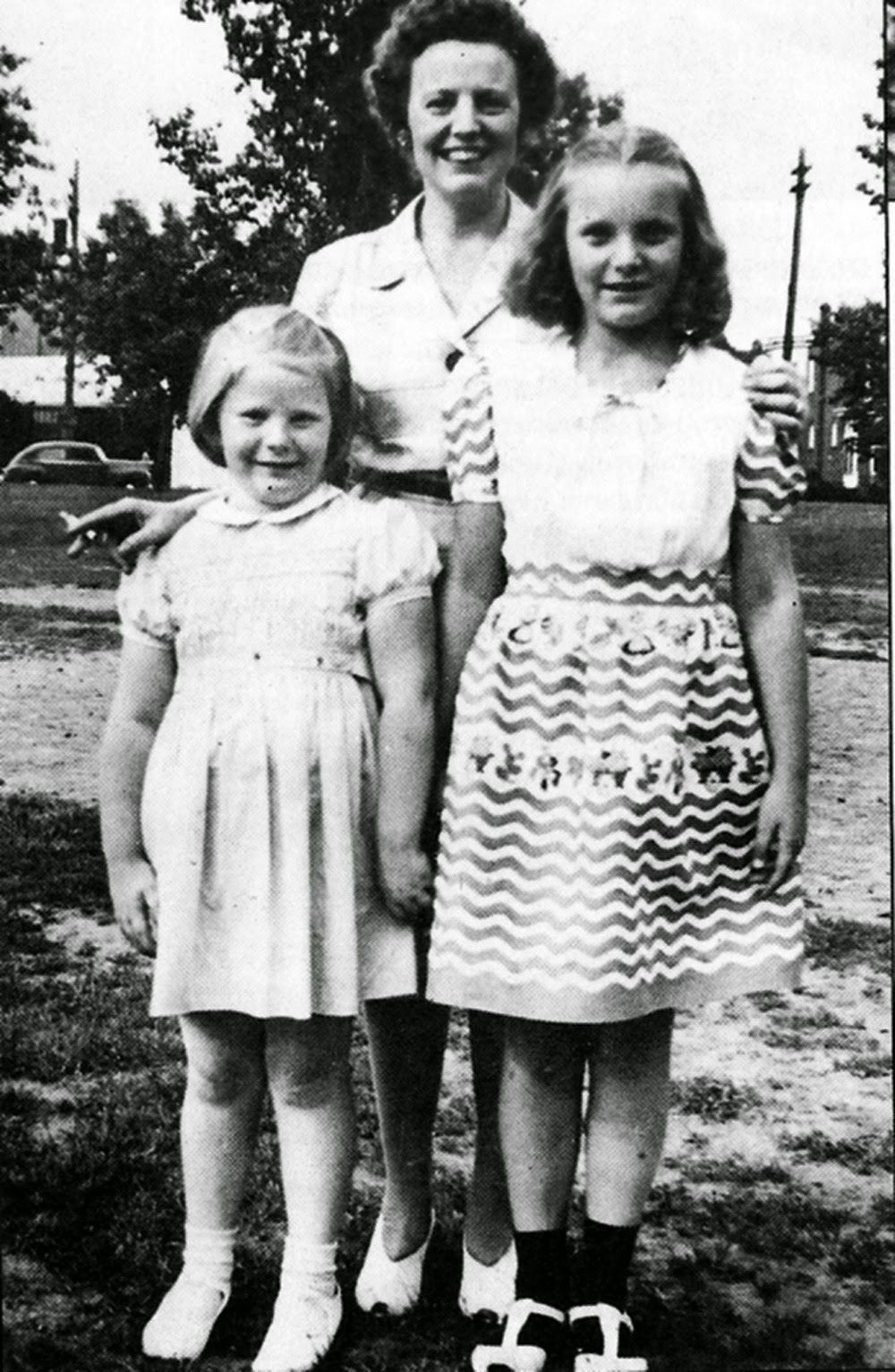
Little Suzanne Degnan, left.
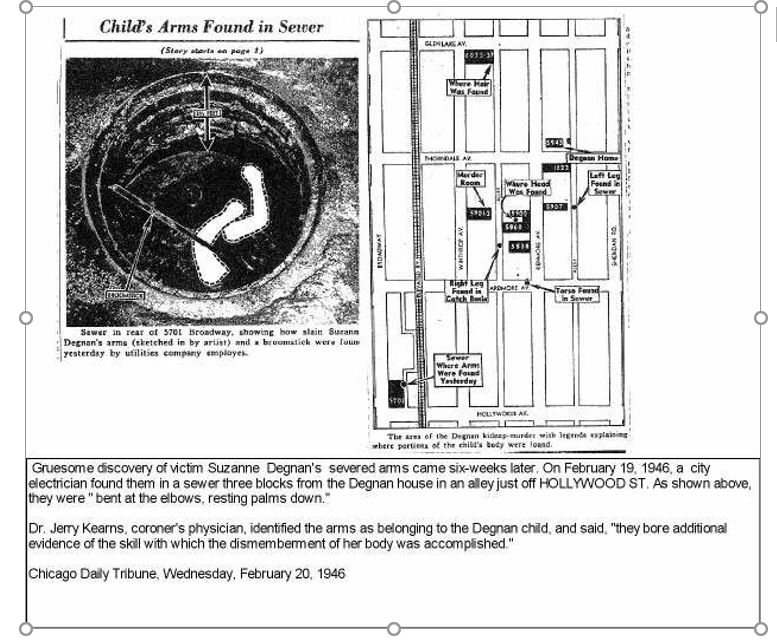
Snippet from the Degnan autopsy, showing how the arms were discovered.
The murders ceased for several months. On June 26, 1946, a janitor reported a young burglar in an empty apartment on the North side; then he and another tenant tried to tackle the youth as he ran away. The man fired shots at them, but with the help of the police was finally overpowered. This was William Heirens, and at the police headquarters he explained that the murders were committed by a man called George. However, he admitted, he and George were simply aspects of the same personality.
“George” periodically took over. On one occasion, Heirens had locked his clothes in the washroom and thrown the key inside so he would be unable to go out on a burgling expedition; but “George” was too strong: he crawled along the house gutter to get the key, and went out. He explained that his tension during a burglary was so great that if anyone interrupted him, he exploded into violence. Heirens was sentenced to three consecutive life sentences.
Culled from: Crimes & Punishment: The Illustrated Crime Encyclopedia, Volume 1
Incidentally, Heirens, who died at the age of 83 in 2012, later stated his confession was coerced, and shaky evidence for the murders, such as inconclusive fingerprint and handwriting analysis, has called his guilt into question.