Today’s Embarrassing Yet Truly Morbid Fact!
A virtual end to trials for witchcraft in France came with the edict of Louis XIV in 1682, which represented his response to two very different court cases. In 1670, 525 persons had been charged with witchcraft in Rouen, and 12 had already been sentenced to the stake — with another 34 awaiting confirmation of sentence — when their families appealed to the king. He rescinded the sentences, despite vehement protest on the part of the Normandy parlement.
Then, 1678, a fortune-teller, Catherine Deshayes — known as La Voisin — was accused of poisoning before the Chambre ardente in Paris. The police Commissioner Reynie submitted her to torture, using first the sellette (the torture chair), and then the brodequins — iron boots into which wedges were hammered to crush her legs. Despite excruciating pain, La Voisin denied all charges of poisoning. The attorney-general requested that her tongue should be cut out, and her hands chopped from her wrists, but the court committed her to the stake. On February 22, 1680, she was ‘tied and bound with iron. Cursing all the time, she was covered with straw, which five or six times she threw off her, but at last the flames grew fiercer, and she was lost to sight.’
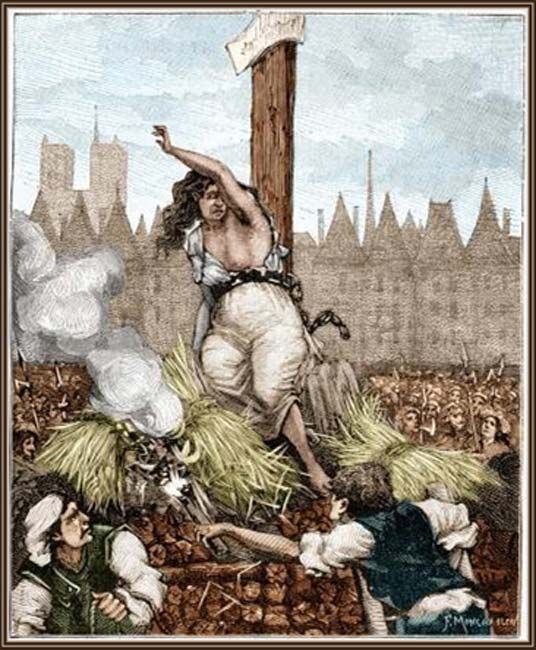
The Execution of Catherine Deshayes
Judicial inquiries revealed that, in fact, La Voisin’s house had been used for the celebration of Black Masses, and that a considerable number of the most distinguished members of the royal circle, including the king’s mistress, Madame de Montespan, had been involved. Reynie continued his inquiries for two more years, torturing and burning many of the lower classes, but not the noble principals. Some years later Louis ordered the records to be destroyed.
It was because of this embarrassing event, and to put an end to trials for witchcraft, that the king issues his historic edict. Aimed principally at the suppression of fortune-telling, it defined witchcraft as no more than ‘superstition, supposed magic, pretence’ — still a crime, but no longer warranting torture and the stake. Most of the provincial parlements submitted to the royal will, although it was 1718 before the last witch was burned in Bordeaux.
Culled from: The History of Torture
Holocaust Victim Du Jour
Today we remember Magdalene Maier-Leibnitz, called Pipa, who was born in Esslingen on January 25, 1916. Her father, Hermann Maier-Leibnitz, was a professor of structural engineering at the University of Stuttgart; her mother was a housewife.
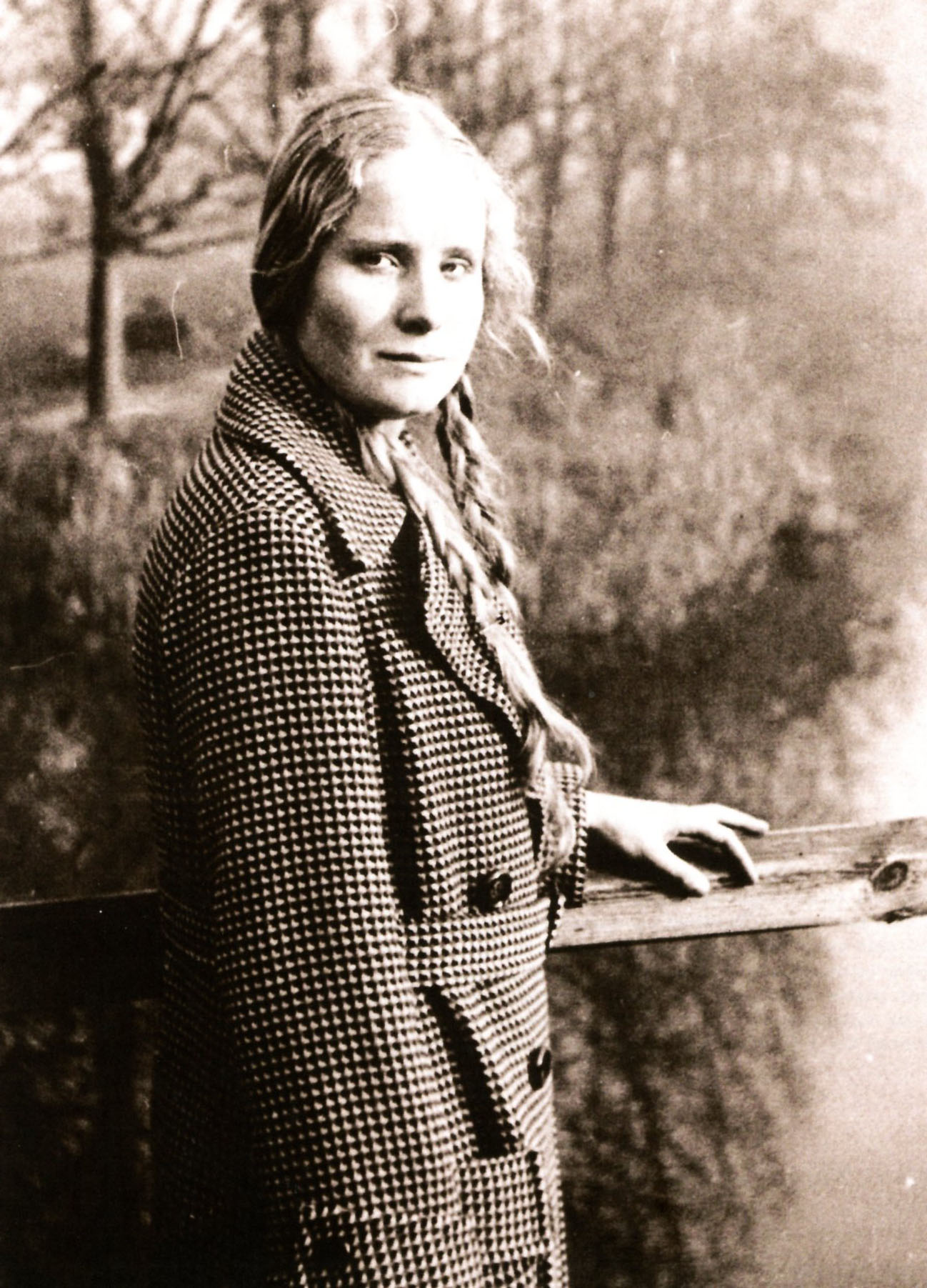
On the Neckar in Esslingen, about 1932
Magdalene enrolled in the Salem School at 16. She felt overtaxed and began having heavy mood swings. She later wrote home: “It would be nice if illnesses were always just imaginary. Then I would be well.”
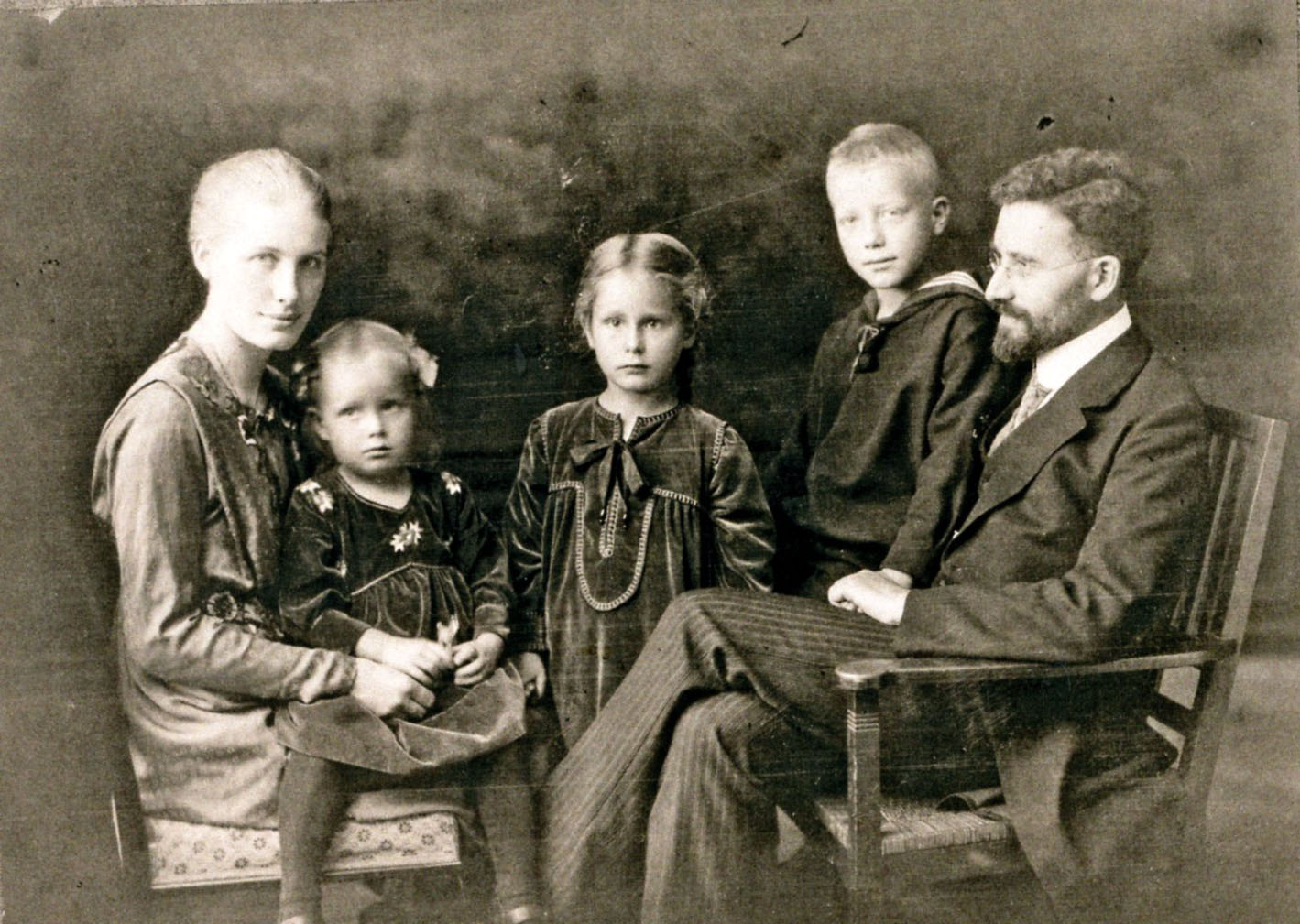
The Maier-Leibnitz family with Magdalene on her mother’s lap, 1919
She was not diagnosed as schizophrenic until years later, at Tübingen university hospital. She alternated between stays at schools, at home and in hospitals. In 1938 her family took her to the private clinic at Kennenburg, Esslingen.
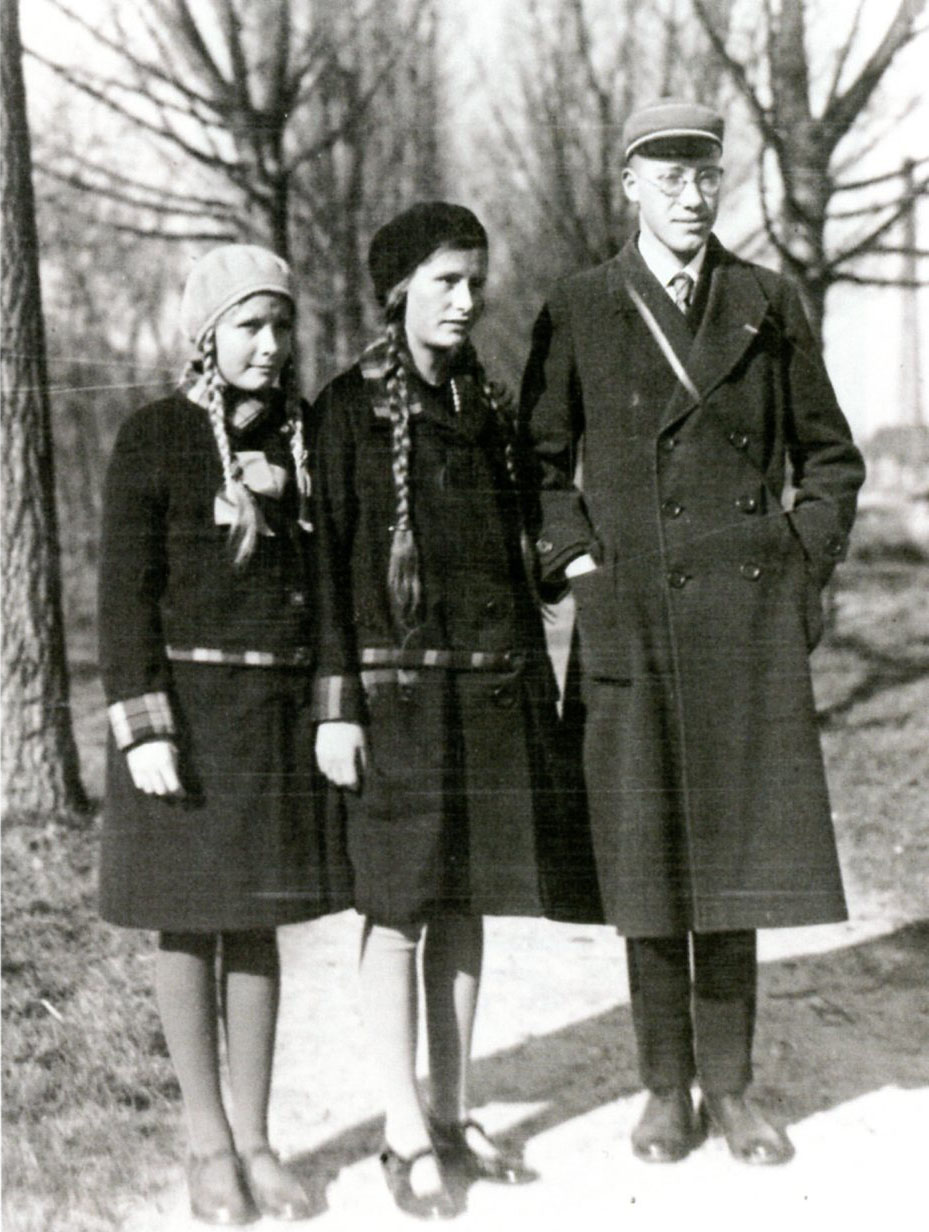
Magdalene Maier-Leibnitz (left) with her sister Susanne and her brother Heinz in Esslingen, about 1929.
Magdalene was in Kennenburg for three years. The last medical report to her family, dated March 12, 1941, read as follows: “There is nothing new to report about your daughter. She is still listless and lethargic. Several brief moments of agitation were observed, which rapidly subsided.”

In Esslingen, 1929/30.
Magdalene wrote long letters home. On January 31, 1933 she wrote to her mother: “Hitler made Chancellor! Yesterday during religion class we watched the torchlight procession of the National Socialists through Salem, with singing and the usual music. We almost shouted Heil Moscow.”
She was transferred to the Hadamar killing center by way of the transit institution at Weinsberg, and was murdered on April 22, 1941.
Culled from: Registered, Persecuted, Annihilated: The Sick and the Disabled Under National Socialism
Andersonville Prisoner Diary Entry Du Jour!
This is the continuation of the 1864 diary of Andersonville prisoner Private George A. Hitchcock (see the archived version for all entries up until now).
Here’s today’s entry:
June 20th. Very hot till afternoon, when rain began and continued incessantly for several hours. Dyer is better, and I am troubled with the same disorder which he has had. I begin to wonder if I ever shall see home again.
Culled from: Andersonville: Giving Up the Ghost