Today’s Draconian Yet Truly Morbid Fact!
As in every war, the unsung heroes of the American Civil War were the nurses, both professional and those who were pressed into service, often involuntarily, by the presence of wounded men in their homes. In addition to treating the wounded, changing bandages, and feeding those who could not feed themselves, nurses wrote letters home and sat with dying soldiers to provide comfort. The stories of their work at Gettysburg are legion.
When it became apparent that the war was not going to be over in a matter of months, as officials on both sides had originally thought, sixty-one-year-old Dorothea Dix proposed that women perform the nursing duties previously performed by men. Her thinking was that this would free up more men to do the actual fighting. After several months of fighting, accompanied by more and more wounded needing treatment, Union secretary of war Simon Cameron agreed and authorized Dix to organize a female nursing corps, with Dix as its head.
The US Bureau of Nursing that she organized labored under draconian rules, all established by Dix. Applicants had to be plain looking, could only dress in brown or black, and had to be available day or night. Further, no hoop skirts, curls, bows, or jewelry were permitted, and applicants under the age of thirty were not considered, no matter how impressive their credentials. A strict Unitarian, Dix decreed that only Protestants would be considered, a rule that caused friction between her and some of the non-Protestant organizations that came to Gettysburg to help. Dix quickly gained a reputation as one who was difficult to work with, garnering such unflattering nicknames as “Dragon Dix” and the “Dictator in a Petticoat” [title of my next album! – DeSpair].
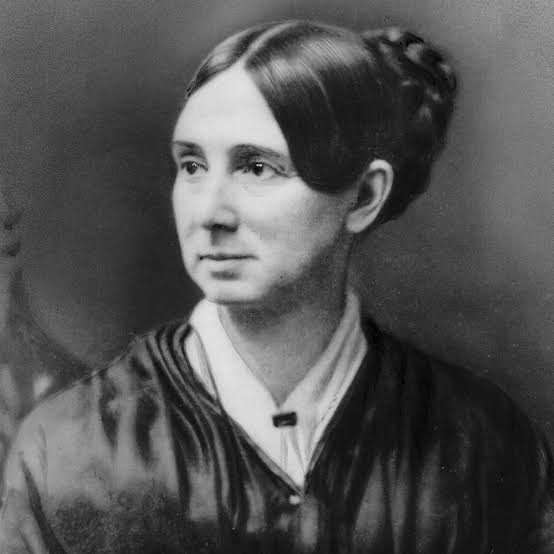
Dictator in a Petticoat, herself!
Almost immediately, outside organizations began arriving to assist in treating the wounded. Among the first to appear were the Sisters of Charity from nearby Emmitsburg, Maryland, under the direction of Father James Francis Burlando. Traveling on roads made nearly impassable by heavy rains, eight Sisters of Charity arrived the day after the battle concluded. Father Burlando noted, “We were compelled to drive cautiously to avoid passing over the dead. Our terrified horses drew back or darted forward reeling from one side to the other. The further we advance the more harrowing the scene; we could not restrain our tears.”
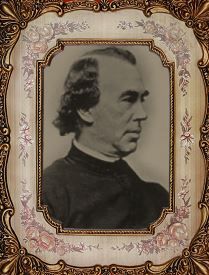
Father Burlando – oh, the things he’s seen!
Death Scene Du Jour!
One of my favorite books is Death Scenes: A Homicide Detective’s Scrapbook. It is exactly what it says it is: a bizarre and oft-disturbing scrapbook collected over the years by Los Angeles area police detective Jack Huddleston, whose career spanned from 1921 to the early 1950’s.
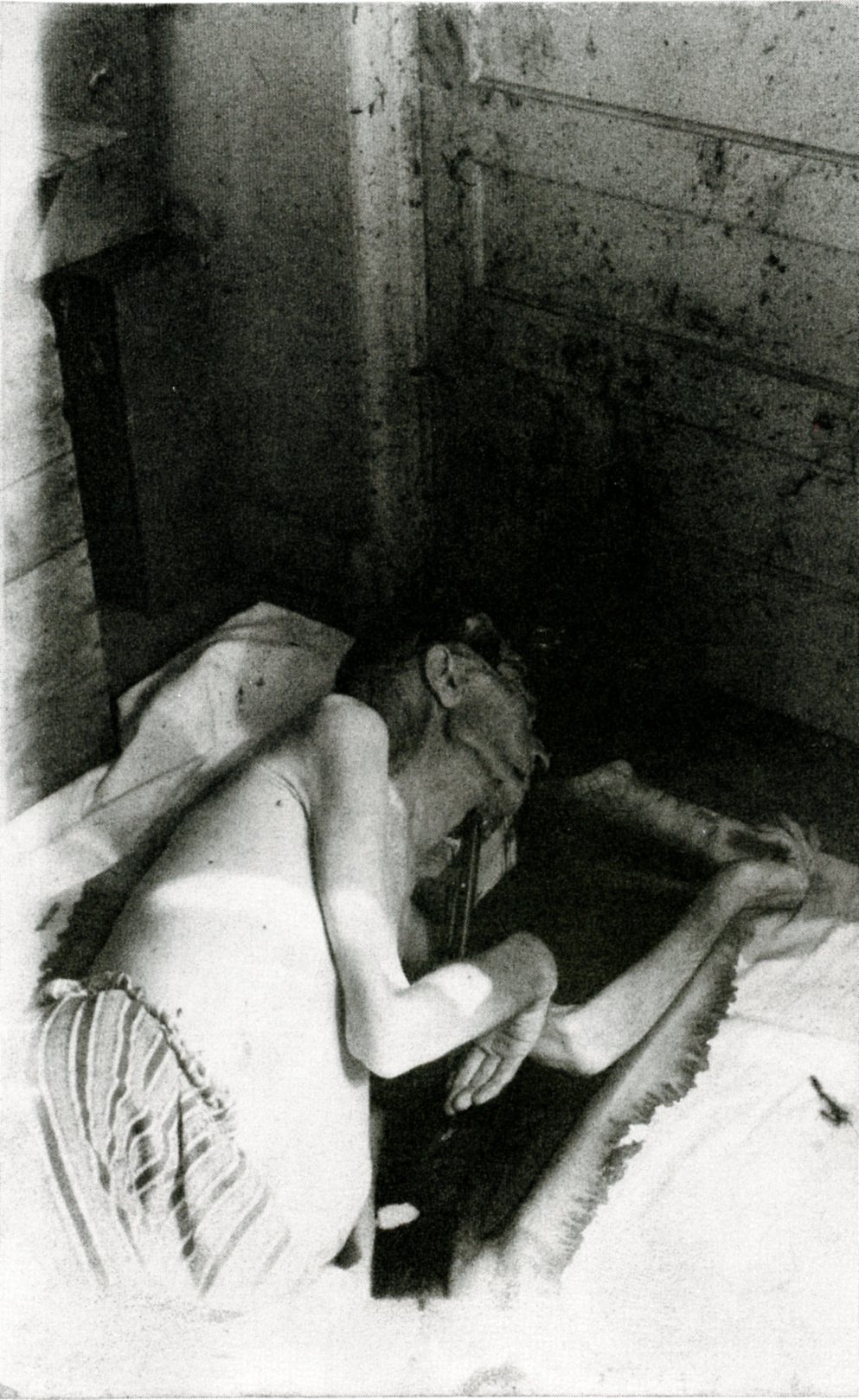
Ralph Redlyn Suicide
631 Ventura St.
Tulare, Calif.
I was able to find the article about Ralph’s death in the March 1, 1943 issue of the Tulare Advance-Register:
Funeral Rites Held For Ralph Redlyn
Funeral services were held here this morning at 10 o’clock for Ralph Redlyn, 59, local ginning company bookkeeper who died Saturday of a pistol bullet wound in the head which investigators indicated was self-inflicted.
Redlyn had been ill for a considerable time of cancer of the liver. He was a member of the local Elks Lodge, and is survived by his wife, Meta.
Incidentally, 631 Ventura is still there. Do you think the people who live there now know???

Andersonville Prisoner Diary Entry Du Jour!
This is the continuation of the 1864 diary of Andersonville prisoner Private George A. Hitchcock (see the archived version for all entries up until now).
Here’s today’s entry:
July 23d. Cloudy and comfortable. Rations of corn-bread, sow-belly, and salt. “Raiding” has been going on, and several fights, but the police are on the alert.
Culled from: Andersonville: Giving Up the Ghost