Today’s Imitative Yet Truly Morbid Fact!
Plutarch tells of an epidemic of imitative suicide by frenzied women in Miletos who committed suicide by hanging themselves. The ‘plague’ seemed to be of ‘an unearthly character and beyond human remedy’ until one of the city worthies hit upon a powerful disincentive: ‘The body of every young woman who hangs herself is to be dragged naked through the streets by the same rope as which she committed the deed.’ The same expedient was used centuries later, when a similar epidemic broke out in Marseilles: the body of every woman guilty of ‘self-murder’ was to be publicly exposed. The prospect of posthumous indignity brought the imitative suicides to an abrupt end.
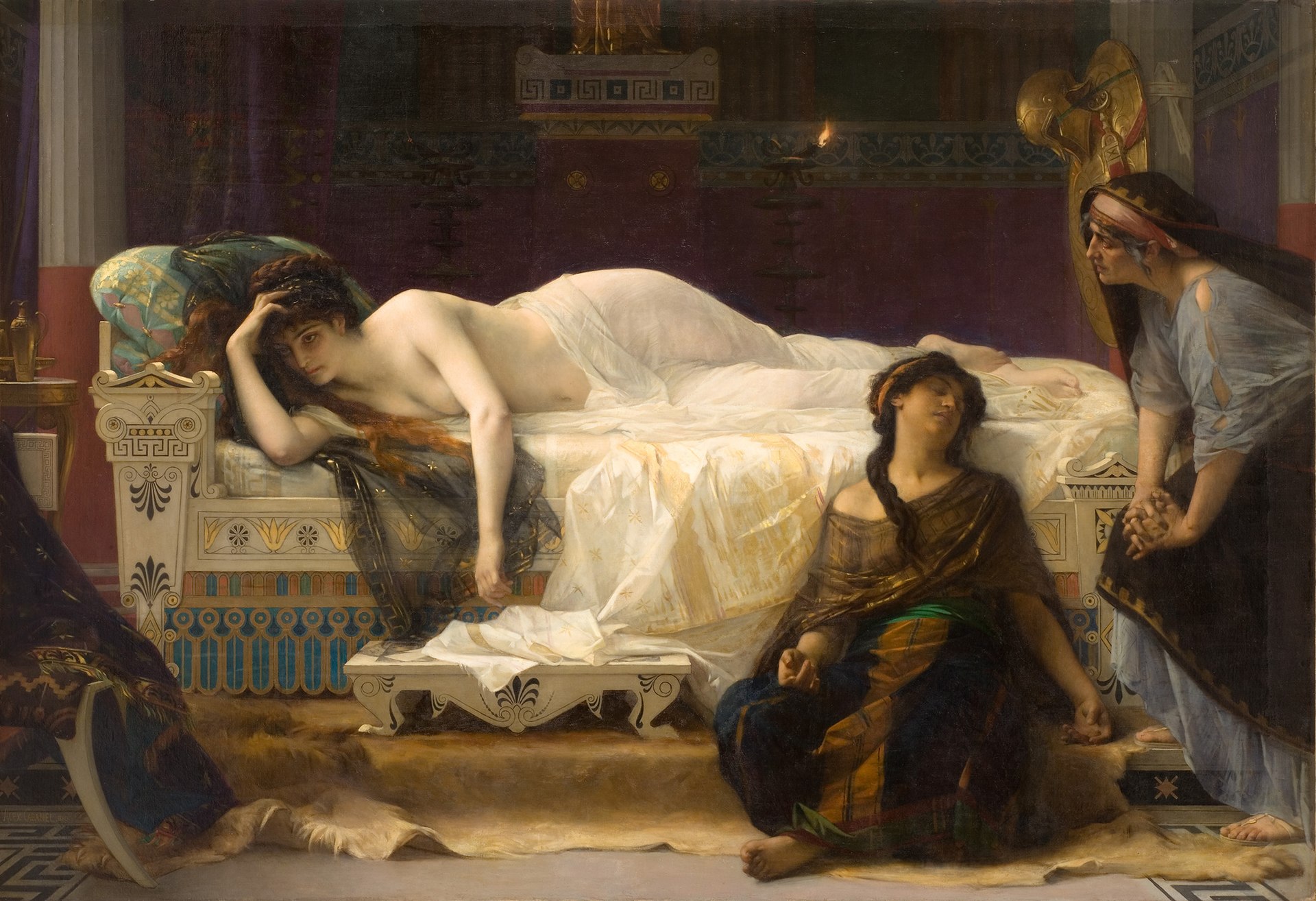
Life, so overrated.
Culled from: Death: A History of Man’s Obsessions and Fears
Here is Plutarch’s actual (translated, natch) text of the incident:
One time the young women of Miletus were afflicted by a dreadful and irrational trouble, of uncertain origin. It was suggested that the atmosphere had become polluted with an ecstatic concoction and poisonous character and so caused them to lose control of their senses. For suddenly all of them were seized with a desire to commit suicide, and there was an insane rush to hang themselves, and many managed to hang themselves before they could be stopped. Neither their parents’ arguments nor tears nor their friends’ advice got through to them, but the got round every plot and trick their watchers could devise in order to destroy themselves. The affliction appeared to have been sent by some god, and to be more than human ability could handle, until the time when a sensible man proposed an ordinance that the women who hung themselves must be carried naked through the market-place in their funeral procession. This ordinance, once approved, not only prevented, but completely stopped the young women from hanging themselves. Precaution against ill repute is a clear indication of goodness and virtue, and the women who were not afraid of the most dreadful of all possibilities, death and suffering, could not bring themselves to bear the thought of the disgrace that would come to them after their deaths.
Civil War Injury Du Jour!
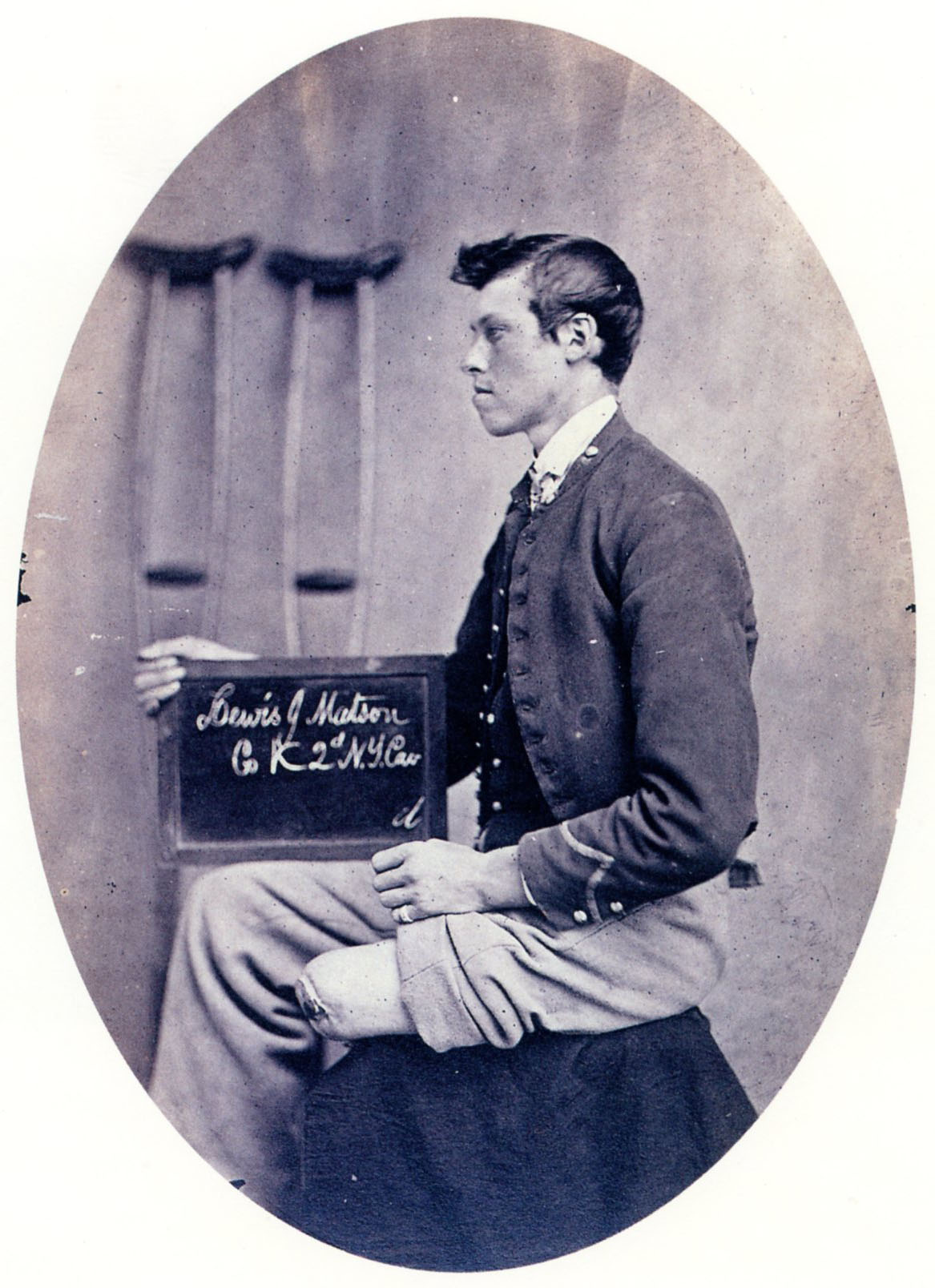
Private Luis J. Matson with His Crutches, 1865
Reed Brockway Bontecou, M.D., Washington, D.C.
Albumen print, 4 1/2″ x 6 1/2″
During the Civil War, Dr. Bontecou (1824-1907), Surgeon in Charge at Harewood United States General Army Hospital, used photography to document interesting surgical cases. As with most photographers, Bontecou became more artistic in his use of the camera as time went on. The doctor’s posing Private Matson in profile, with his crutches in the background and lined up with his head, displayed an aesthetic ahead of its time; this is a true masterpiece of early medical photography.
Bontecou’s caption, taken from his personal wartime album, notes: “Private Louis Matson, age 21, Co. K, and N. Y., Cavalry, suffered a gun shot wound of the left leg, amputation of the left leg near knee joint anterior/posterior flaps. On the field April 1, 1865 operator unknown. Admitted Harewood Hospital… The leg subsequently became gangrenous, but by timely application of escharotics and by a supportive treatment throughout the patient is now doing well and in a fair way of recovery.”
Culled from: A Morning’s Work
Andersonville Prisoner Diary Entry Du Jour!
This is the continuation of the 1864 diary of Andersonville prisoner Private George A. Hitchcock (see the archived version for all entries up until now).
Here’s today’s entry:
August 3d. Very hot. The moving of the sick to the outside has been going on all day, causing much talk and rumor as to the why and wherefore.