Today’s Extra-Judicial Yet Truly Morbid Fact!
At 22, Brooke Hart was a graduate of Santa Clara University and was being groomed by his father to take over the Hart family’s San Jose, California department store. He was well-liked and respected by customers and store employees alike, and was known to be responsible and punctual.

Brooke Hart: Responsible and Punctual
So on the evening of November 9, 1933, when Hart didn’t show up to give his father a ride to a country club, his family was immediately alarmed. A couple hours later, they received the first of several calls demanding a ransom for Brooke’s safe return. Initially the ransom was $40K, equal to about $774K in today’s money, but eventually the kidnappers cut the amount in half, but arrangements to deliver and collect the money were hampered by the kidnappers’ insistence that Brooke Hart’s father drive to the drop-off point, despite the fact that he had never learned to drive.
It was a moot point, however; after several days of back-and-forth, when one of the phone calls was traced to a pay phone near the police station and Thomas Thurmond was arrested on the spot, he implicated his friend John Holmes, who was picked up at a nearby garage. Thurmond was interrogated and quickly confessed that the two of them had planned the kidnapping, and that shortly after they commandeered Hart’s vehicle, (hours before the first ransom call was made) they stopped on the San Mateo Bridge and ordered their captive out of the car. Brooke Hart was then struck on the head with a brick or cement block, had his arms bound with wire, and was thrown off the bridge. The tide was out, and when he landed unconscious in just a few feet of water, he was then shot.

Thomas Thurmond (Center)

John M. Holmes
A search for Hart’s body began immediately, and bloodstains and some blond hair were found at the site where he was allegedly killed. Finally, on November 26, two duck hunters found Hart’s badly decomposed body in the bay.
There had been much outcry over the kidnapping and murder of the popular young man, and when his body was found, talk of lynching became more strident. Local radio stations went so far as to announce that Thurmond and Homes would be lynched in St. James Park in San Jose that night at eleven PM.
Governor James Rolph refused the sheriff’s request to send in the National Guard to protect the accused and keep order. He made no secret of his wish for the kidnappers to receive extra-judicial punishment, and he stated publicly that he would pardon anyone convicted of taking part in same.
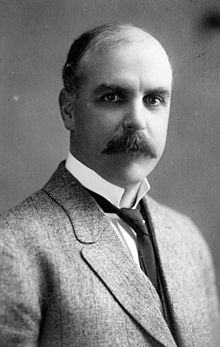
Governor James Rolph
As night fell over San Jose, a crowd of men, women and children, estimated to be anywhere from five thousand to fifteen thousand strong, gathered outside the San Jose jail. They were well-behaved at first, but began to get unruly about nine o’clock. Holmes and Thurmond were held in separate cells on the first and second floor of the jail, and when it became clear that the building would be stormed and that the governor would not send troops to prevent it, the sheriff ordered all his deputies to vacate the first two floors for their own safety..
The mob stormed into the prison at eleven PM, removed Thurmond and Holmes from their cells, and took them across the street to St. James Park, where they were hung from a cork elm tree. Radio stations carried live coverage, and newsreel and newspaper photographers documented it as it unfolded.

Lynch Mob Ramming the Prison Door
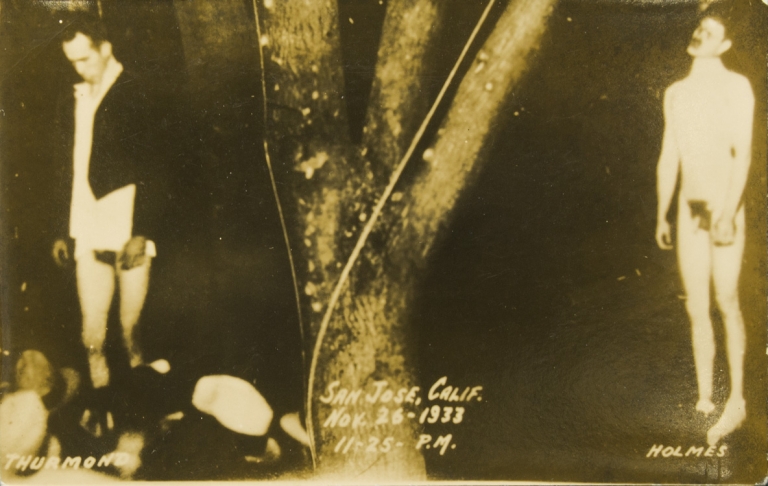
The End, Beautiful Friend
The Holmes-Thurmond lynching is believed to be the last lynching to occur in California (there were reports of one in 1947, but the victim’s name was never revealed and no evidence of its occurrence has ever been found in contemporary newspapers) and was one of the few in the US not to have racial or ethnic motivations.
Though he died just six months later, before any indictments were made, James Rolph did get his wish: no one was punished for their part in the lynching. Lynching itself was not a specific crime in California at the time, but any of the acts that occurred during the incident, from rioting to murder, could have been prosecuted.
As it was, only one man went to trial, after he boasted openly of leading the mob. No one would confirm that he was the ringleader, and, with no witnesses and nothing except the man’s own alleged boast, he walked free.
Culled from: Wikipedia
Submitted by: Aimee
Vintage Medical Photo Du Jour!
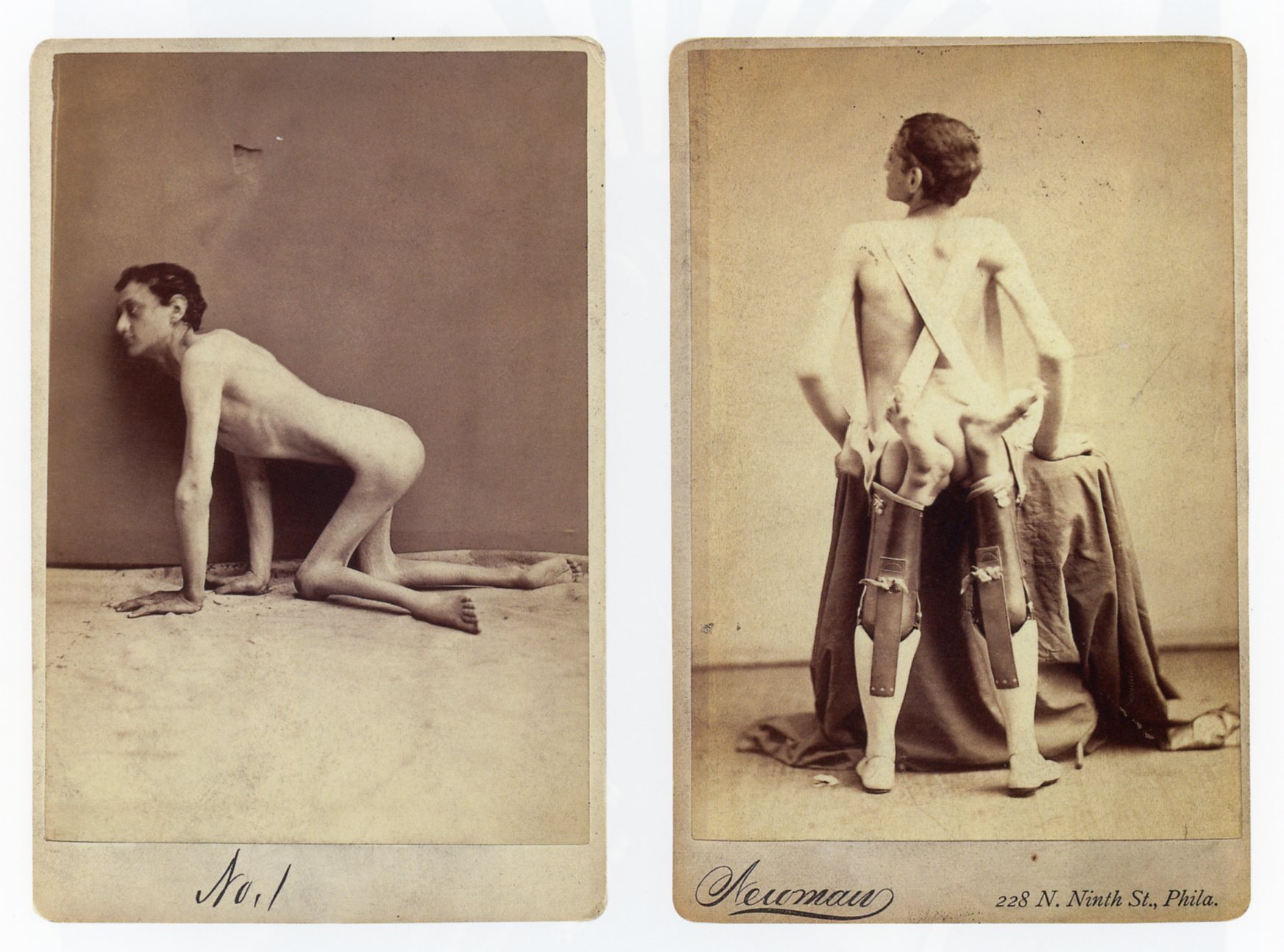
Paralytic Deformity Treated by Application of Artificial Limbs by Dr. Thomas George Morton (1835-1903) copyright 2002 Mütter Museum Archives, albumen prints
Photographs by A. Newman, Philadelphia.
Culled from: The Mütter Museum of the College of Physicians of Philadelphia